
The Story
Why it exists.
The beginning
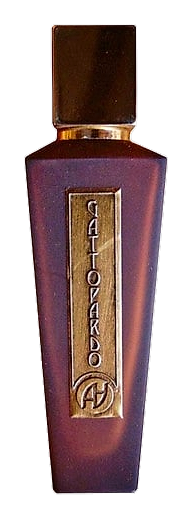
Gattopardo takes its name from the leopard, the symbol of Sicily's ruling family, immortalized by Giuseppe Tomasi di Lampedusa in his novel about a land that survives every conquest by absorbing it. The brand calls this fragrance a portrait of the archetypal Sicilian man: powerful but tender, authoritarian yet bound to family ritual, someone who commands a room by entering it quietly. He is not invented. He is remembered.
What makes Gattopardo work is the tension it refuses to resolve. The whiskey opens warm and sweet-bitter, like a glass poured in late afternoon light. The fig milk tempers it with a creamy sweetness that could tip into dessert territory. But the iris and geranium in the heart add a powdery floral counterweight that keeps everything grounded. No single note takes over. The whole composition argues with itself, and the whole time, it stays warm.
The evolution
The bergamot and fig milk arrive first, brightening the whiskey's warmth with a citrus-fruity lift that lasts maybe twenty minutes. Then the iris and geranium soften the opening, adding powdery floral nuance that settles the composition. The drydown is where Gattopardo earns its name. Beeswax deepens into something resinous and golden, hazelnut and almond emerge alongside cocoa powder, and the whole thing becomes intimate, close, almost sticky. Cedar and patchouli anchor it. Musk keeps it warm against skin. The next morning, there's a faint trace of beeswax and cedar on fabric that smells like a room someone just left.
Cultural impact
Gattopardo occupies a specific corner of niche perfumery: warm, resinous, and quietly confident. The whiskey and beeswax combination draws wearers who want something with personality but without announcement. Sillage stays moderate throughout wear. It has found a loyal following among those who appreciate Italian craftsmanship and memory-driven composition.