The Story
Why it exists.
The beginning
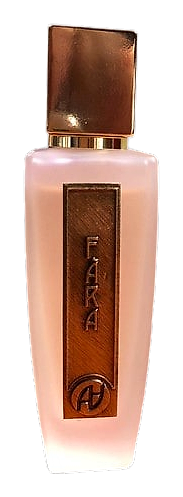
Fara takes its name from the Sicilian dialect word for the oppressive, thirst-driving heat of summer, the kind that makes you quicken your step toward whatever cold thing promises relief. Antonio Alessandria grew up in Catania, surrounded by citrus groves and the saline air of the Mediterranean coast. That heat, and the specific relief it demands, became the spine of this fragrance. The brief was simple: translate the experience of desperate thirst and the first cold drink on overheated skin into something you could carry with you.
The brilliance is in what Fara doesn't do. It doesn't offer an idealized version of summer, it offers the real thing, complete with the slightly savory residue of your own skin underneath the citrus. Cumin is often used as a whisper in perfumery, a background warmth. Here it is not shy. It is the entire point, the smell of skin that has been in the heat, cooling down. Combined with salt and the aquatic notes that evoke the moment water hits warm stone, the composition becomes something rare: a fragrance about a feeling rather than a season.
The evolution
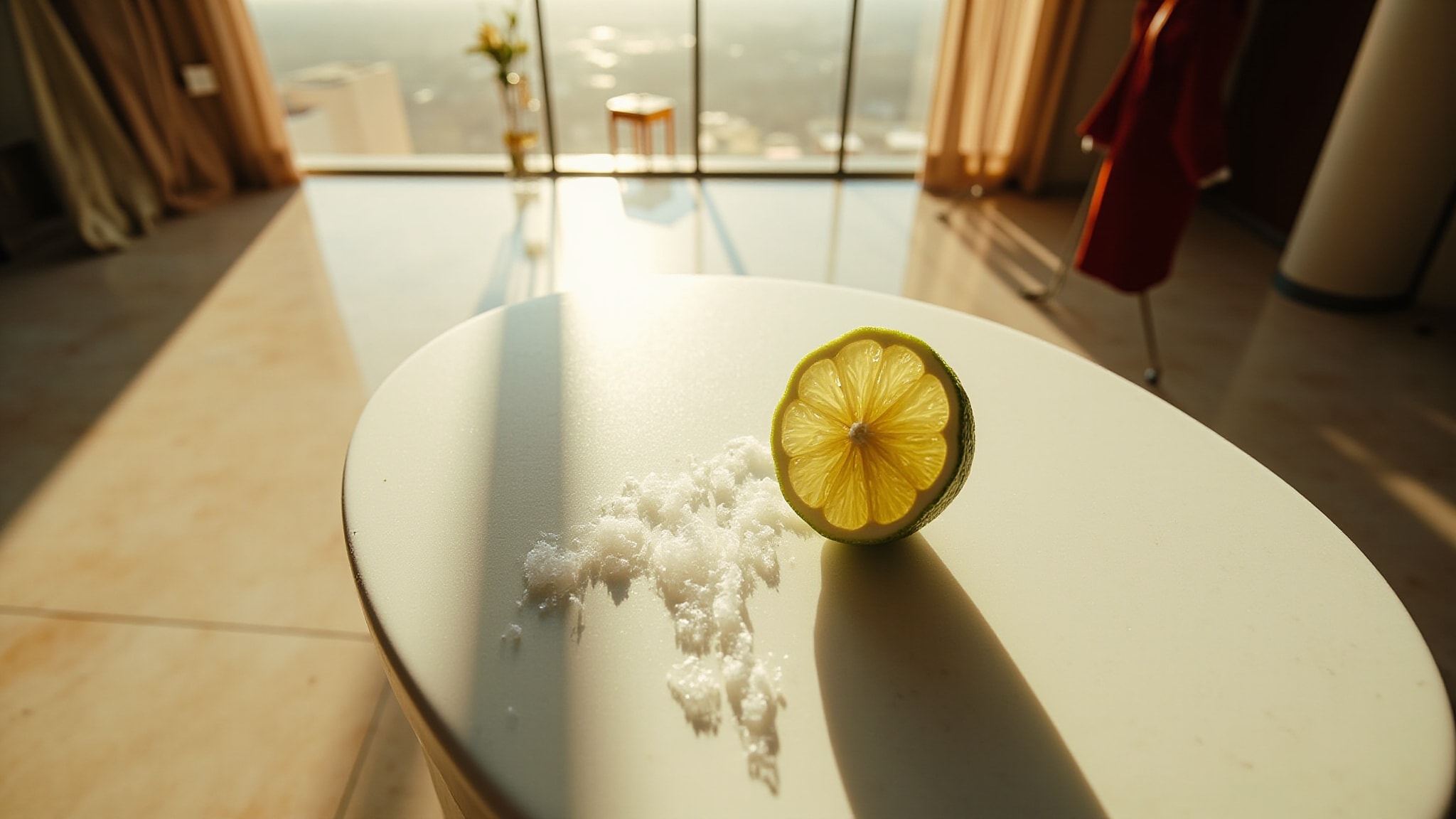
The opening is a salt spray crashing into warm citrus, finger lime and lemon zest that hit hard, no sweetness, just brightness and a slight bitterness. Bergamot sits underneath, adding depth. Peppermint arrives thirty seconds later, cool and almost medicinal. The mint lasts longer than expected, five, maybe ten minutes, before it softens. That's when the composition shifts. Salt and cumin emerge together, the salt mineral and clean, the cumin warm and slightly savory. This is the heart of the fragrance: the smell of warm skin. Magnolia appears here too, a brief, delicate floral that seems almost wrong in context, and somehow right. As it moves into the drydown, cedar and incense arrive to ground everything. The incense is smoky but not heavy, more aromatic than animalic. Musk and amber blend into the background warmth. The sillage drops to intimate almost immediately. Six to eight hours later, on most skin, a quiet warmth remains, cedar, a ghost of citrus, the memory of mint. On dry skin, the cumin persists longest, and the longevity shortens considerably.
Cultural impact
Since its 2018 debut, Fara has built a quiet following among those who find most citrus fragrances too safe or too synthetic. The cumin-and-salt combination sits outside the mainstream, unusual enough to draw interest from fragrance enthusiasts seeking something that actually smells like a place and a moment, not just a category. It compares favorably to niche aquatic fragrances but occupies its own territory: hot, honest, and slightly unconventional.