The Story
Why it exists.
The beginning
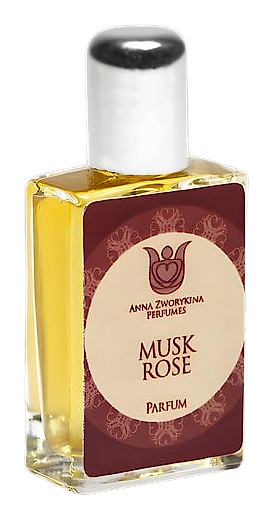
Musk Rose arrived in 2008 from Anna Zworykina, and the fragrance sits inside a moment where a perfumer is deep in dialogue with raw materials. The composition is rooted in both craft and conversation, treating rose not as a decorative note but as something with weight, texture, and a faint feral streak. What Musk Rose does best is take rose seriously, letting the material speak with its green-edged bitterness intact rather than smoothing everything into sweetness. There's a density to the way the rose presents here, almost bruised rather than clean, and it carries through every phase of the wear.
What makes this composition interesting is the architecture underneath the rose. Ambrette seed anchors the base where warmth and skinlike musk usually sit, giving the drydown a soft vibration. Brazilian rosewood and sandalwood form the woody spine, while osmanthus and mimosa bring a green-edged sweetness that keeps the rose from collapsing into pure confection. The oakmoss and labdanum add a quiet leathery shadow, and the orange blossom plus neroli keep the whole thing from going too dark.
The evolution
The opening is almost entirely rose, reading green, slightly bitter, with a density that feels more like crushed petals than a clean bouquet. Ambrette arrives within minutes, giving the composition a powdery warmth that sits close to skin. By the thirty-minute mark, the supporting florals start surfacing: mimosa's honey-edged softness, neroli's faint bitterness, orange blossom lifting the whole structure with something almost citrus-bright. The rosewood and sandalwood settle underneath, giving the heart a grounded weight that prevents the floral from floating away. As hours pass, the composition darkens. Oakmoss and labdanum surface, bringing a mossy, resinous undertone that shifts the mood from luminous to shadowed. The ambrette does the real work in the final hours, keeping the skin warm and musky long after the named florals have faded.
Cultural impact
Musk Rose finds its audience among wearers who want a rose composition with structure and presence rather than a light, forgettable floral. The fragrance offers something more architectural than a simple soliflore, layering woody, green, and resinous materials underneath the central bloom. It appeals to those drawn to florals that carry an edge, where the rose holds its bitter, green, almost feral character throughout the wear. In a landscape where rose fragrances can lean candied or decorative, this one stakes out a more textured territory, giving the material room to behave like a living thing.