The Story
Why it exists.
The beginning
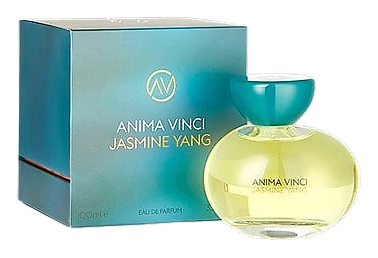
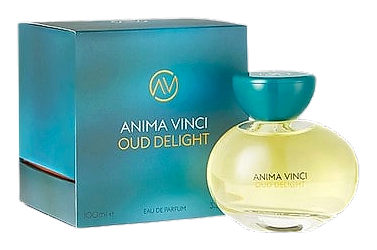
Oud Delight arrived in 2017 from Anima Vinci, a London-based niche house. The brand works in unexpected registers with oud, and this particular release offers a confectionery lens on a resin most people associate with gravity and smoke. The official positioning leans toward a playful gourmand treatment, balancing the resin's richness with caramel, vanilla, and soft florals. It's oud as invitation rather than oud as statement, a composition that wants to charm before it impresses.
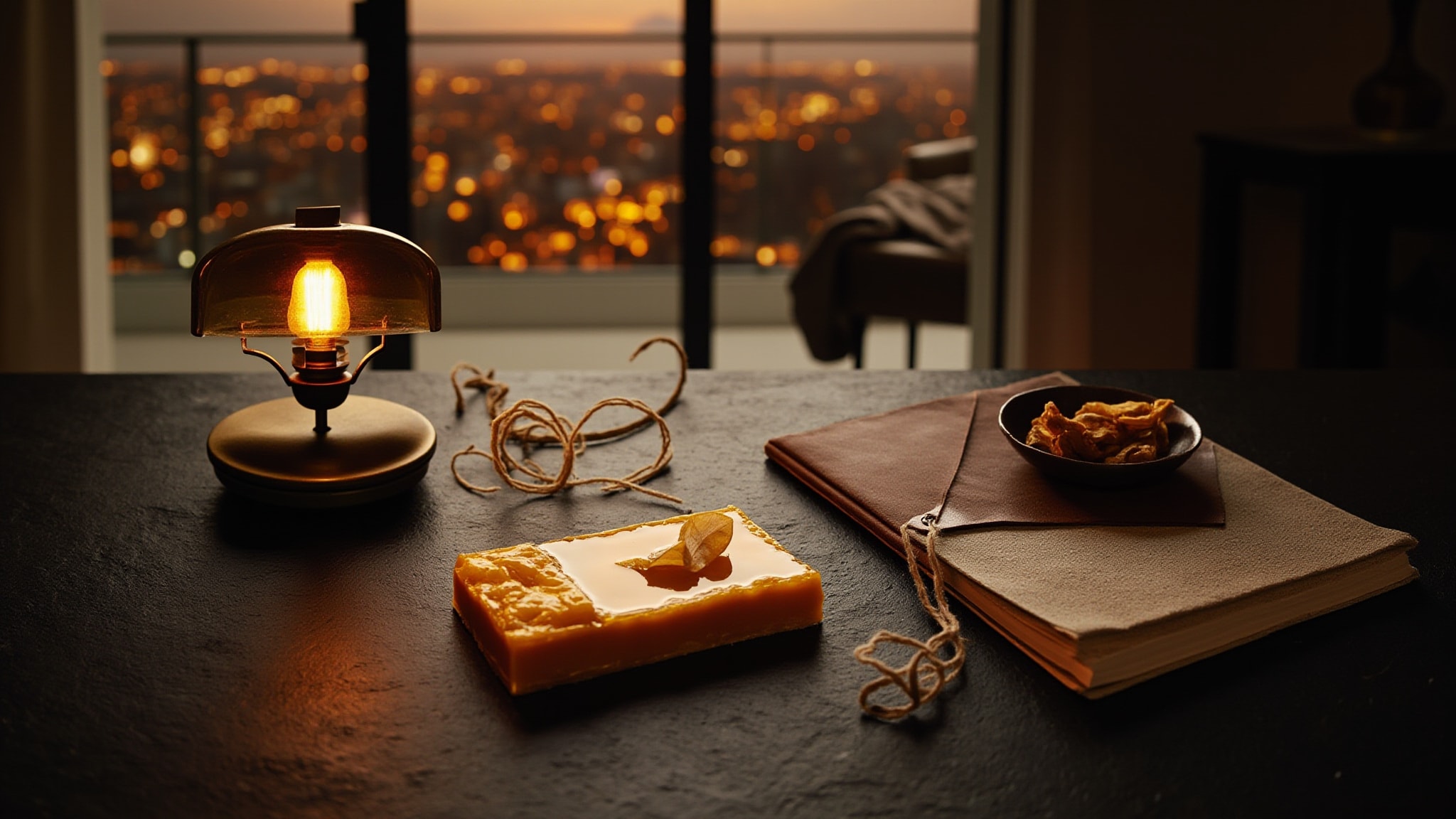
The note pyramid reveals the gamble. Lemon and bergamot at the top, a bright citrus start for an oud-led composition, a choice that signals sweetness will lead rather than shadow. Then the heart layers in rose, saffron, cinnamon, clove, ginger, ylang-ylang, and coriander seed, a full spiced toolkit that leans warm and aromatic rather than purely floral. The base grounds it with amber, labdanum, oud, sandalwood, tonka bean, frankincense, musk, patchouli, and vetiver. The tension lives in that gap between sugar and resin, between something that smells edible and something that smells ancient.
The evolution
First spray, the lemon and bergamot hit with a clean, almost confectionery brightness, a citrus turned candied rather than sharp. Warm, creamy, pastry-like, unexpected in a fragrance that wears oud in its title. Within minutes, the saffron and cinnamon arrive, thickening the sweetness into something denser and spiced. Ginger adds a subtle heat that keeps the accord from collapsing into straight sugar. The heart becomes a spiced rose confection laced with ylang-ylang and clove, powdery florals and warm aromatics that soften the edges. By the second hour, the gourmand accord starts fading into the base. This is where the oud finally arrives, deep and woody, tempered by sandalwood and patchouli. Vetiver adds an earthy rootiness that grounds all the preceding sweetness.
Cultural impact
Oud Delight pulls the resin into confectionery territory, a move that speaks to the broader trend of oud becoming a creative ingredient rather than a fixed cultural signal. The composition uses sweetness as its entry point, layering caramel-adjacent warmth and soft florals over a base that still carries the depth and resinous gravity of traditional oud work. Within Anima Vinci's catalog, it stands as a sweeter, more approachable counterpoint to darker entries, a fragrance that wants you to enjoy oud rather than respect it from a distance.