The Story
Why it exists.
The beginning
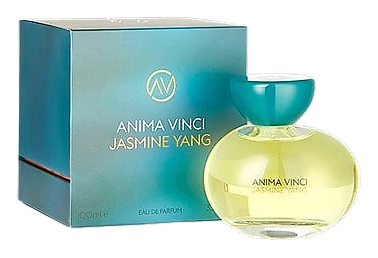
Thomas Fontaine designed Jasmine Yang for a house that treats fragrance as a daily practice of presence. The house understood scent as a form of memory, not just luxury. When Fontaine composed Jasmine Yang in 2017, the brief seems to have been simple: a tropical floral that resists the expected heaviness of its genre. The answer wasn't a single flower but a conversation between them, water jasmine's cool clarity, frangipani's tropical warmth, ylang-ylang's creamy depth, held together by a citrus brightness that refuses to let the composition go heavy. The interplay between these notes creates something unexpected: florals that breathe rather than overwhelm, warmth that stays restrained.
What makes Jasmine Yang distinctive is the water jasmine. In most fragrances, jasmine arrives with its full reputation, indolic, heady, the kind of note that announces itself at the door. Here, Fontaine chose the aquatic variety, which carries jasmine's structure but adds a cool, almost ozonic quality that reads as green rather than sweet. Frangipani does similar work in the heart, staying on the green-salty side of its character rather than the creamy-tropical one. The result is a tropical floral that doesn't behave like one. The yuzu in the opening reinforces this, citrus with a bitter edge, not a sweet one. The composition could have gone heavy. It chose not to.
The evolution
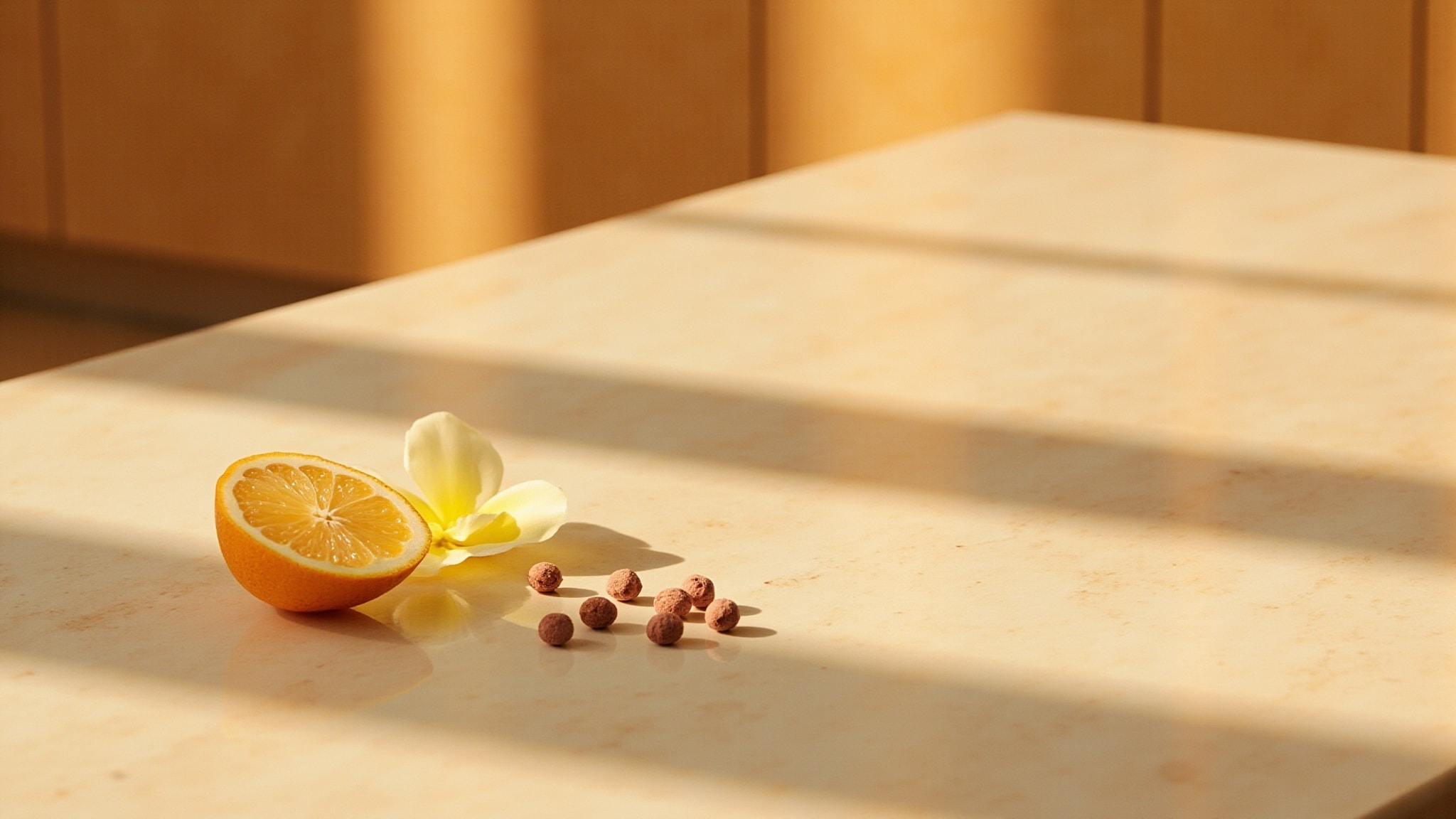
The opening hits bright. Yuzu and mandarin arrive with pink pepper's clean bite, a citrus quartet that sparkles rather than shouts. This is the fragrance at its most immediate, its most confident. Thirty minutes in, the citrus begins to recede and something unexpected takes its place. The water jasmine doesn't arrive so much as reveal itself, cool, green, with an ozonic quality that makes the florals feel like they've been washed rather than sprayed. Frangipani joins but stays green, not creamy. Ylang-ylang adds its tropical warmth, but hedione amplifies the radiance rather than the sweetness. The drydown is where sandalwood and white musk take over, with vanilla providing warmth without going full gourmand. This is the part described as both clean and familiar, the scent of skin that's been in the sun, not the scent of someone who's bathed in it.
Cultural impact
Jasmine Yang occupies an interesting position in the niche floral landscape. The water jasmine variety keeps the heart cool and green rather than warm and sensual, distinguishing it from traditional jasmine compositions. This makes Jasmine Yang approachable in a way that pure jasmine rarely achieves. The selection of aquatic jasmine over more indolic varieties allows the floral heart to remain fresh and buoyant throughout the wearing. There's an unexpected restraint here, a tropical floral that doesn't demand attention but instead rewards close observation.