The Story
Why it exists.
The beginning
Taerre launched in 2019 as the debut fragrance from Amuà, a house whose public profile remains quiet and largely undocumented beyond this first release. The name itself evokes terrain, the kind of word that conjures soil and stone before it conjures anything else, and once you read the brand's own copy the connection tightens fast. Taerre is framed as a tribute to the fire element, to the red of living earth, to physical strength and the kind of pride that doesn't ask for applause. It reads as an origin statement dressed in landscape, a first move that wants to anchor itself in something elemental rather than decorative, and the opening minutes of the wear back that up with a dry, almost mineral lift that feels closer to sun-warmed clay than to any conventional top-note flourish.
What's interesting about the composition is how it avoids the expected Arabian script. There's no oud in the pyramid, no frankincense in the traditional resinous sense. Instead, Taerre reaches for Mediterranean materials, Calabrian bergamot, wild fennel, juniper berries, and stitches them together with licorice and fig, two ingredients that flirt with sweetness but refuse to commit. The almond blossom and bitter orange in the top give it a sunlit agricultural feel. The oakmoss and labdanum at the base borrow from classical perfumery's structure.
The evolution
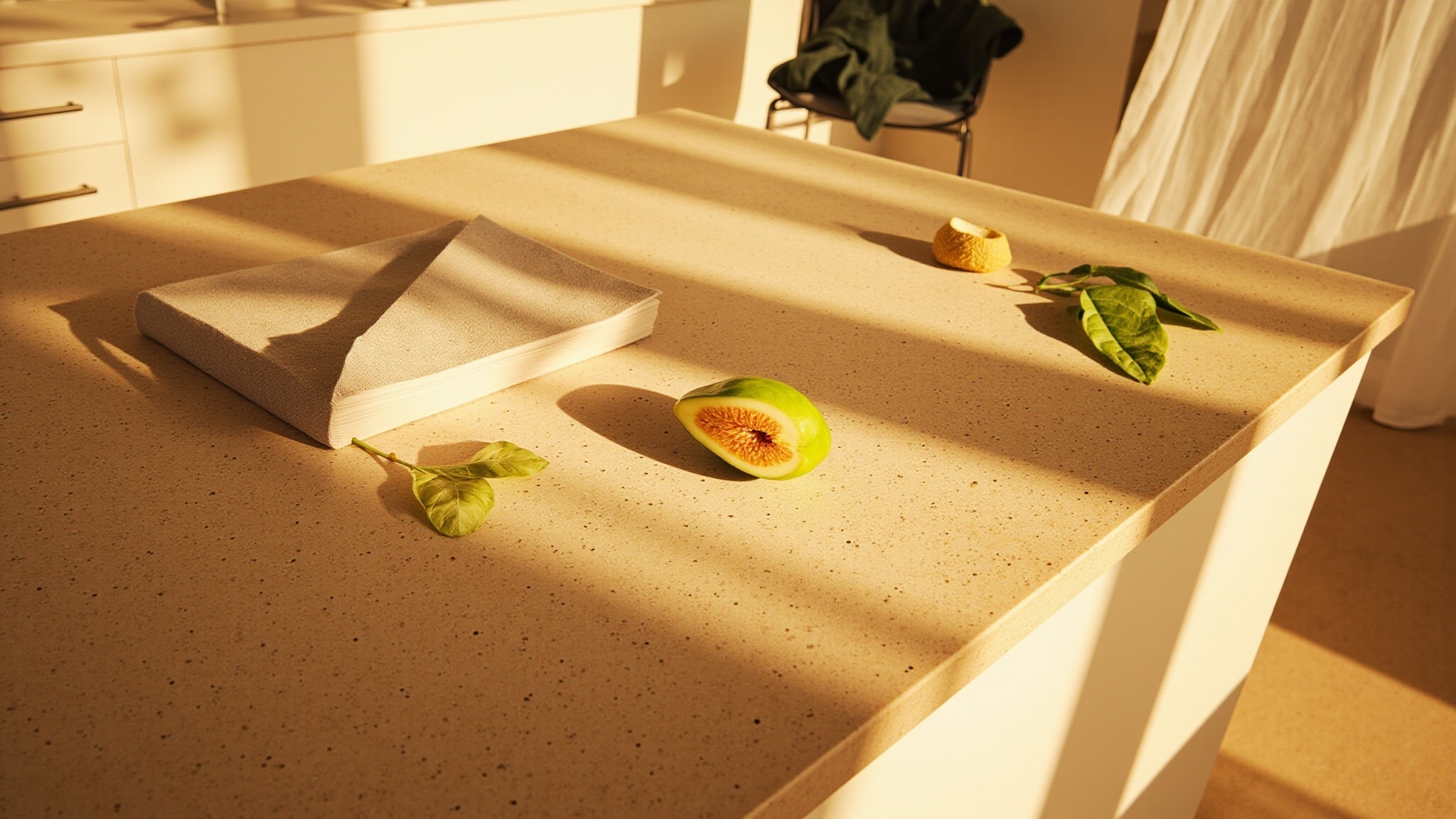
On skin, Taerre opens with a bright, almost sharp burst of bitter orange layered against the soft, slightly marzipan warmth of almond blossom. The Calabrian bergamot adds a clean citrus pith underneath, keeping things from tipping into confection. Within the first 20 minutes, the fig arrives, not the dense, syrupy fig of Mediterranean desserts, but a greener, more herbal version, closer to the smell of a fig leaf crushed between fingers. Licorice root weaves through the heart alongside juniper berries and wild fennel, creating an aromatic backbone that feels both culinary and botanical. The fennel gives a clean anise lift, the juniper a dry, peppery snap. By the second hour, the softer materials, the gillyflower and the sweeter edges of fig, begin to settle. What rises to meet them is labdanum, that warm, leathery resin that smells like sun-baked stone, and oakmoss, grounding everything in a damp, shaded forest floor. The drydown is quiet but persistent, resinous and faintly sweet, clinging close to skin.
Cultural impact
Taerre arrived in 2019 as the debut release from Amuà, a house whose public footprint centers on this single composition. Its Mediterranean-aromatic structure, anchored on almond blossom, fig, and fennel rather than the more common oud or ambroxan scaffolding of the era, gives it a distinctive profile that sits apart from what dominated release calendars at the time. The opening is dry and almost mineral, with toasted almond skins and a faint lactonic sweetness from the fig catching warm air, before the composition tips into a denser, resinous heart where cistus and a quiet thread of oakmoss trade shadows with each other on skin.