Gillyflower
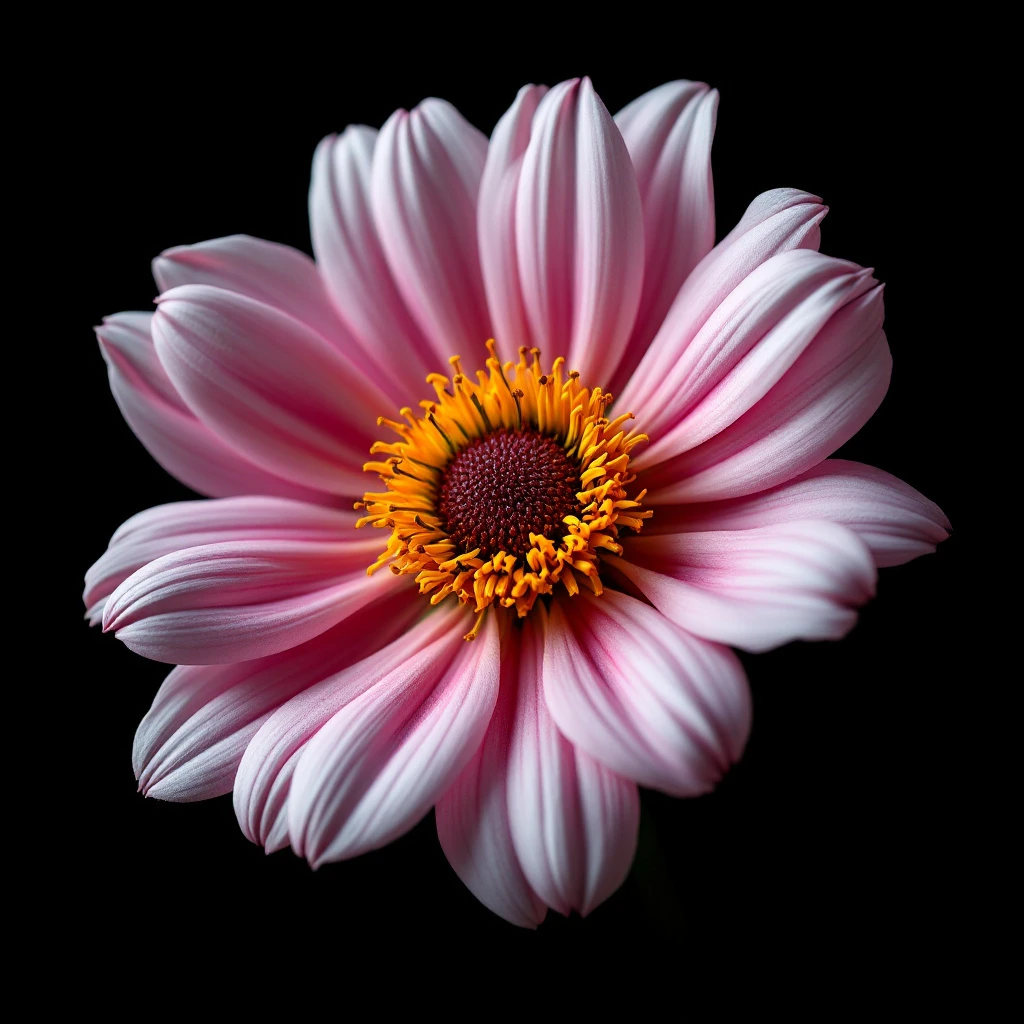
Gillyflower delivers a rare combination: the sweetness of traditional florals wrapped in a warm, clove-like spice. This Mediterranean bloom adds unexpected depth to compositions, a quality perfumers have prized for centuries.
Character
How it smells
Spicy sweetness from Mediterranean gardens.
Shakespeare referenced gillyflowers in his plays, proving their cultural presence in Elizabethan England extended beyond gardens into literary tradition.





Origin
Greece
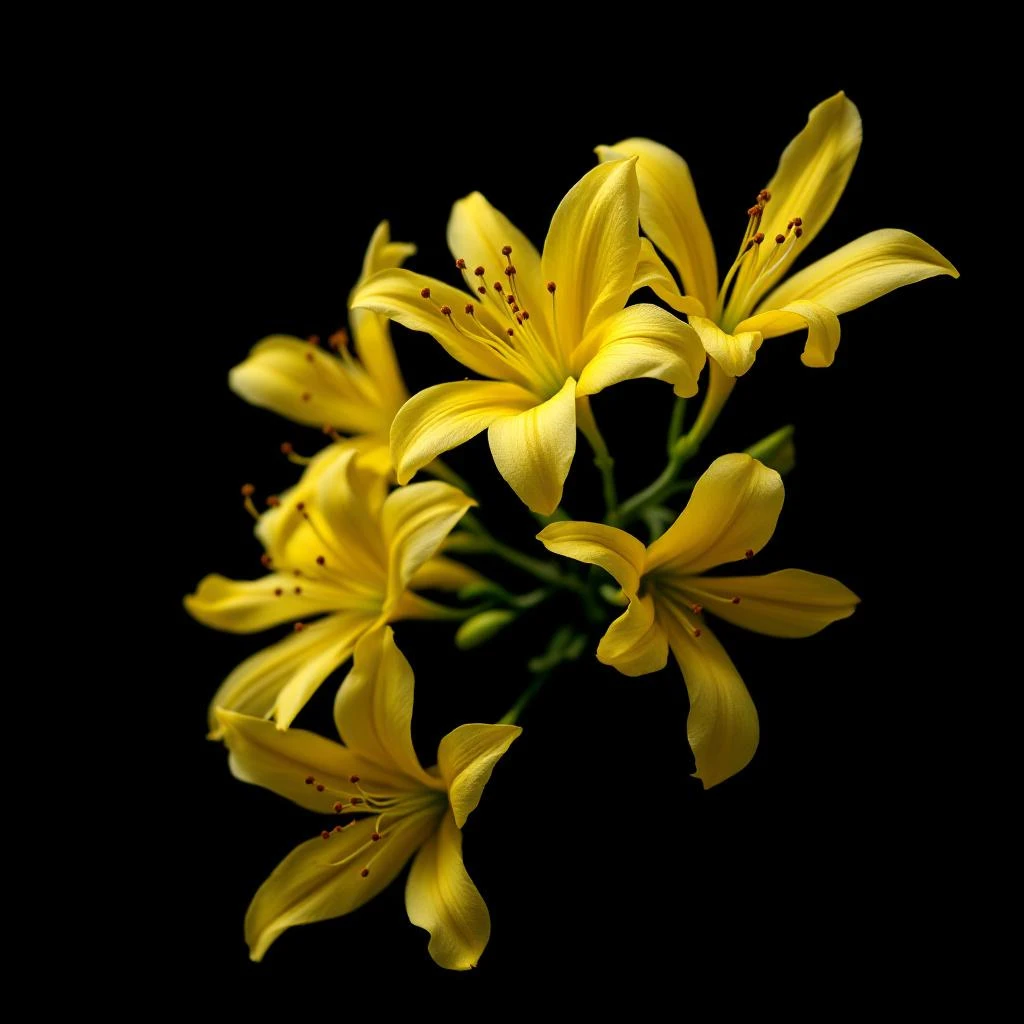
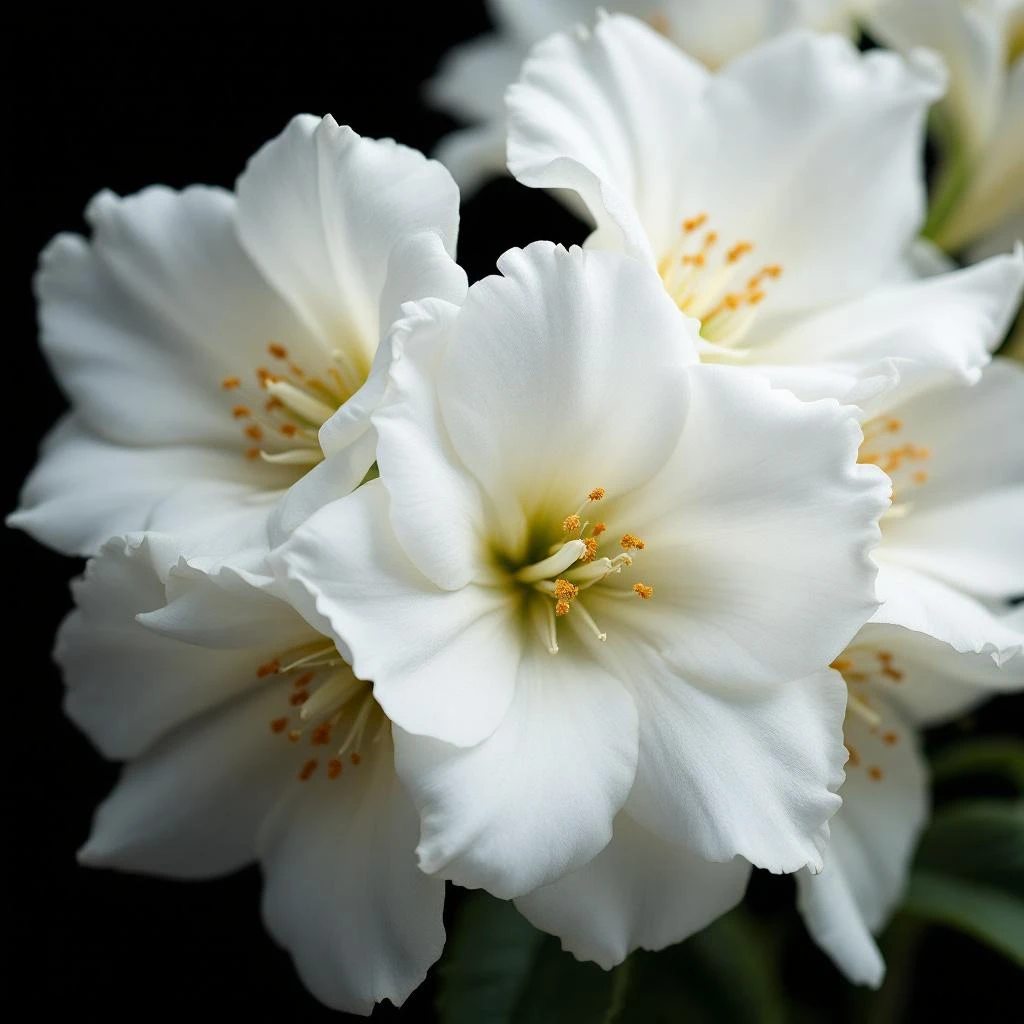
The gillyflower, scientifically known as Matthiola incana, has accompanied Mediterranean civilizations for over two millennia. Ancient Greeks and Romans cultivated stocks in courtyard gardens for their intoxicating fragrance. The common name derives from the Middle English "gille," meaning maiden, referencing the flower's association with youthful beauty and romantic courtship.
By the Elizabethan era, gillyflowers had naturalized throughout English gardens, appearing in the works of Shakespeare and countless herbalists. Gardens of Hampton Court famously displayed extensive gillyflower collections under royal patronage. The plant's journey into perfumery followed a longer path, as processors learned to capture its elusive aroma.
Today, the Mediterranean remains the primary source, with Greece and Italy producing the finest raw material for an ingredient that has never achieved mass-market availability.
Wears it best
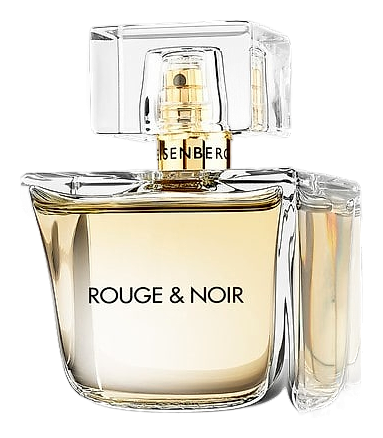
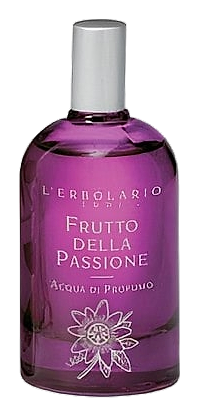
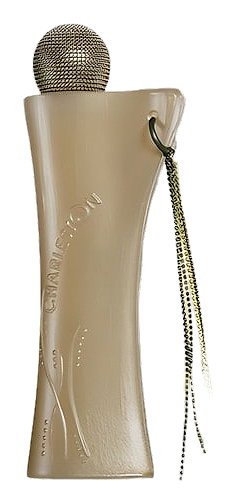
Fragrances featuring Gillyflower
Brands
Brands known for Gillyflower
Good to know
Questions, answered
The essentials on Gillyflower in perfumery: how it smells, where it comes from, and how it behaves on skin.
What does gillyflower smell like?
Gillyflower offers a clove-like spiciness combined with sweet floral and honey notes. The combination sets it apart from typical florals, adding warmth and unexpected complexity to compositions.
Is gillyflower a natural or synthetic ingredient?
Gillyflower absolute is a natural ingredient derived from Matthiola incana flowers. Synthetic alternatives exist but rarely replicate the full aromatic complexity of the natural absolute.
Which perfumes feature gillyflower as a key ingredient?
Gillyflower appears in several high-end fragrances including Amouage Reflection Woman and Annick Goutal garden collection pieces, typically positioned as a heart note for its warm, spicy floral character.
Why is gillyflower rarely listed on perfume packaging?
Production volumes remain small due to modest flower yields and limited cultivation. Most gillyflower absolute goes to fragrance houses using it as a signature modifier rather than a starring note.
What extraction method produces gillyflower absolute?
Solvent extraction yields gillyflower absolute. This method uses chemical solvents to pull aromatic compounds from fresh petals, producing a concrete that is further processed into the final absolute.
Where does gillyflower originate?
Matthiola incana is native to the Mediterranean basin, particularly Greece and Italy. The warm climate and well-drained soils of these regions produce flowers with the most concentrated aromatic compounds.
Does gillyflower have any historical significance in perfumery?
Historical records show gillyflowers were grown in royal gardens from the 1500s onward. Their transition from ornamental gardens to perfumery occurred gradually as extraction techniques improved through the 19th century.
What types of fragrances pair well with gillyflower?
Gillyflower complements other florals like jasmine and rose while adding spicy counterpoints. It works particularly well in romantic florals, chypres, and oriental compositions seeking warmth and complexity.



