
The Story
Why it exists.
The beginning
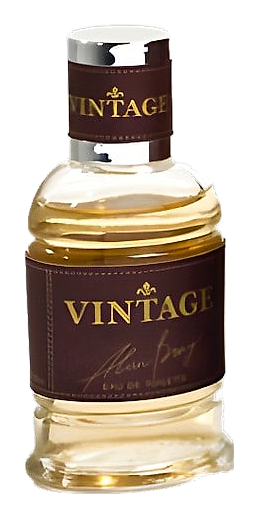
Alan Bray's Vintage arrived at a moment when masculine perfumery still borrowed freely from feminine florals without apology, and the composition leans into that crossover rather than away from it. The house had cultivated a reputation through fragrances that spoke to a grooming-oriented customer, so the brief for Vintage reads as a deliberate centering of the rosebud inside a structure that could otherwise have leaned on more conventional masculine signposts. The result was less a marketing-driven launch than a quiet experiment that placed a single, restrained floral at the heart of a green-forward composition.
Vintage by Alan Bray kept a low profile in its earliest years, showing up in places where a curious buyer might stumble across it rather than where a campaign might place it. Specialty retail shelves eventually carried the scent, and by the time it reached a wider audience it had already acquired a quiet reputation among those who trade notes on under-the-radar compositions. That understated rollout continues to color how the perfume is perceived today, and the fragrance still rewards the kind of attention usually reserved for pieces that never had to shout for attention.
The evolution
Across its various editions, Vintage by Alan Bray has shifted subtly more than dramatically, and the note structure has remained recognizably itself even as individual elements have been tuned. The earliest formula many wearers remember leaned sharply into a brighter green accord, giving the rosebud an almost crisp opening that longtime fans still reference when describing what first drew them in. A later reformulation softened that green lift, adjusted the balance of synthetic and natural materials in the mossy register, and pushed the heart rose slightly forward, which broadened appeal but drew quiet criticism from purists who read the change as a compromise.
Cultural impact
Vintage by Alan Bray carved out a devoted niche among collectors, perfumery writers, and barbers who appreciated its refusal to chase trends, and the composition still turns up in conversations about fragrances that broke from the dominant masculine codes of their era. It sits comfortably in discussions of gender-fluid floral design, where a rosebud was deliberately placed inside a traditional masculine structure rather than softened into a separate feminine flank.
The House
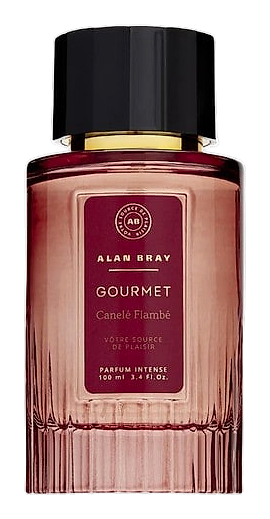
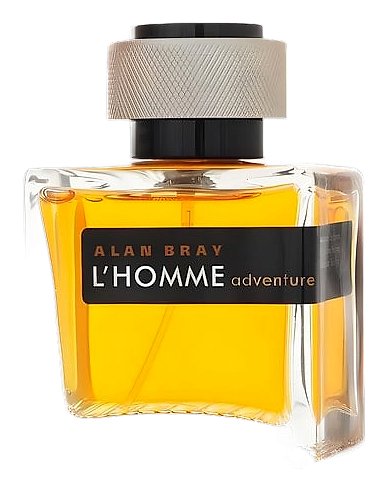
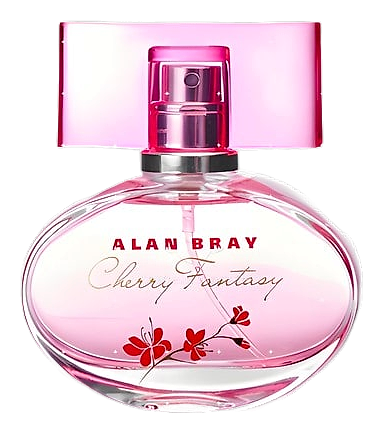
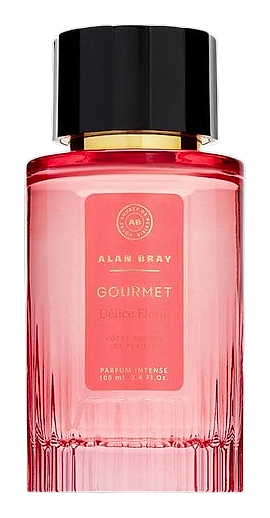
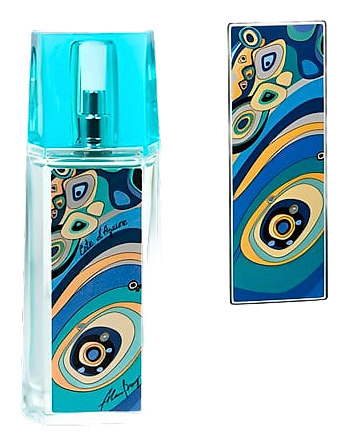
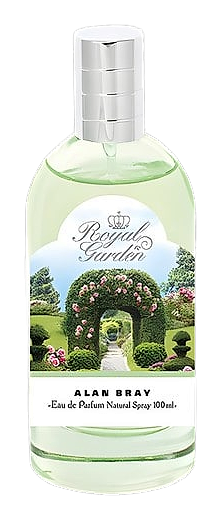
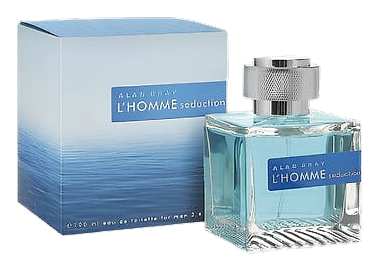
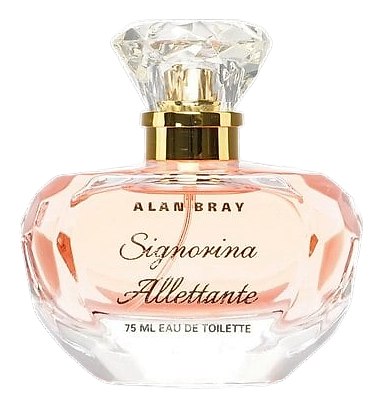
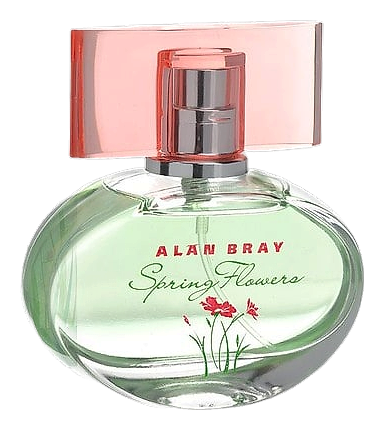
Alan BrayAlan Bray is a niche perfume house that builds a catalogue of more than ninety scents since the early 2000s. The brand releases fragrances that often pair unexpected ingredients, such as cherry and almond in its Canelé Flambé (2024) or the bright floral accord of Spring Flowers (2013). Each launch arrives with a distinct personality, inviting collectors to explore a spectrum that ranges from the masculine L'Homme Noble (2025) to the daring High Society L'Imperatrice (2024). The label operates out of Paris and reaches a global audience through specialty retailers and online platforms.
The Creator
Alan BrayBray’s signature technique rests on a single, bold accord that dominates the composition. In Cherry Almond he pairs bright, fermented cherry with warm, nutty almond oil, letting the two notes intertwine for twelve hours without fading.