
The Story
Why it exists.
The beginning
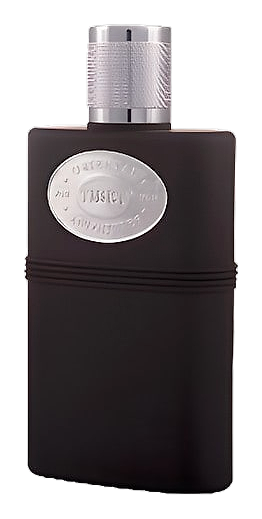
Tibet arrived in 2012 as a release from Alan Bray, listed under the Oriental Adventures label alongside its geographic title. The fragrance was composed by Alan Bray himself, pairing bright, approachable top notes with a grounded, resinous base. The name points outward, away from the everyday, and the structure clearly aims past casual daytime wear. Mandarin and red apple lift the opening, then iris and leather take hold at the center, while amber and vanilla settle into the base with oakmoss providing an earthy undertone that keeps the sweetness from drifting. It's a composition that takes its time revealing itself, moving through distinct phases rather than collapsing into a single impression.
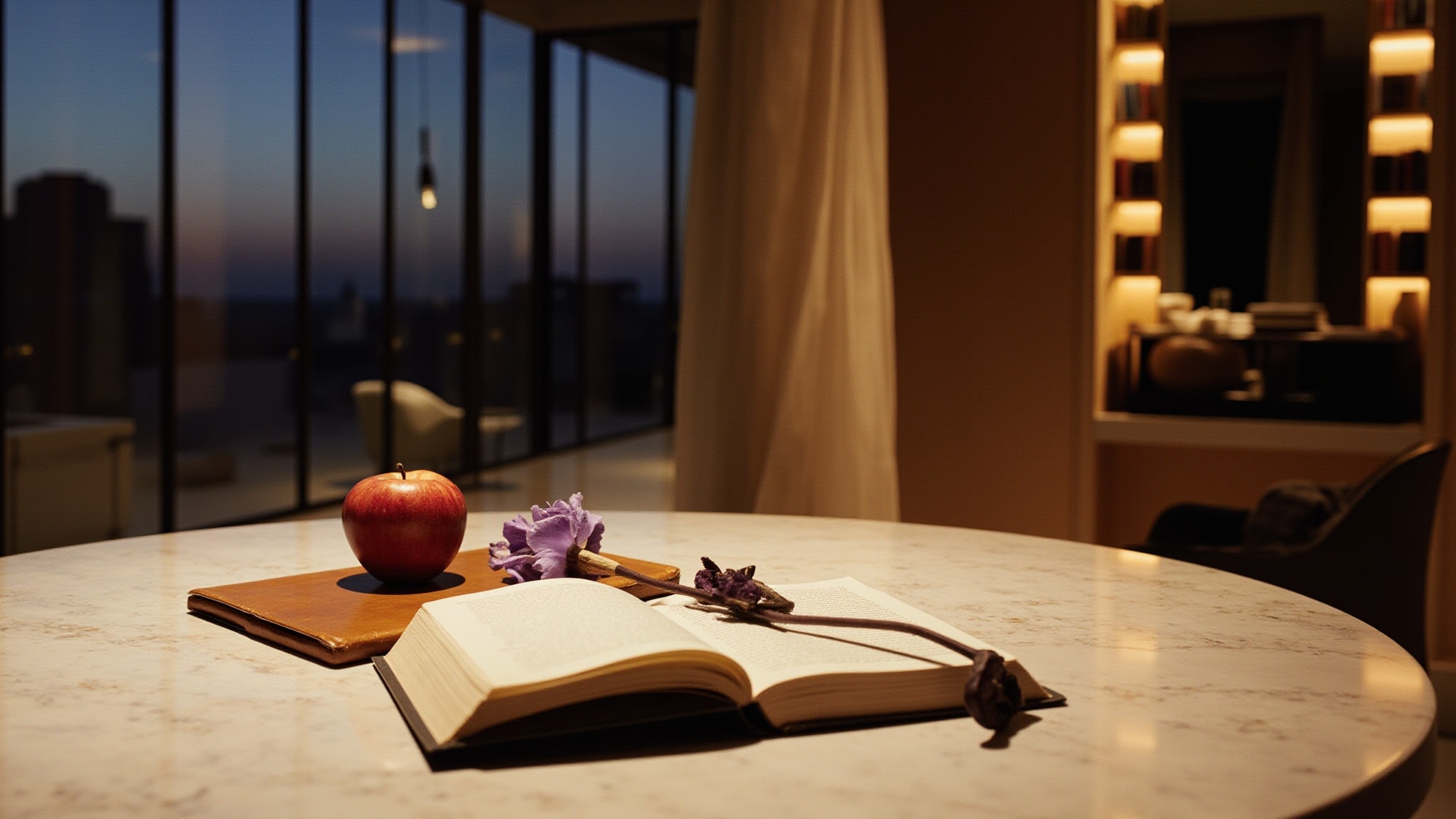
What makes Tibet worth noticing is the way its notes shift across the wear. Mandarin and red apple open with a cheerful, fruit-forward clarity that feels almost carefree. Then iris and leather ground the composition quickly, pulling it toward something weightier and more structured. The base layer draws from resinous and earthy territory, with amber, oakmoss, and vanilla rounding out a structure that doesn't commit to a single mood. It moves from bright to solemn, and that handoff is where the fragrance earns its character.
The evolution
The first stretch is deceptive. Mandarin and red apple read almost like a polished casual scent, the kind of bright opening that belongs to lighter daytime compositions. Then iris powder rises underneath, and the leather arrives without announcement. From there the violet root settles into its earthy register as the amber begins its slow warm-up. The olibanum, when it surfaces, does so quietly, adding a cool resinous flicker behind the vanilla without taking over the composition. The drydown is vanilla-amber-oakmoss, sweet without being syrupy, anchored by oakmoss that holds its ground through the late hours. The overall impression is one of restraint and intention rather than projection; the scent stays close to the skin rather than broadcasting widely, which suits someone who values quiet presence over loud performance.
Cultural impact
Tibet sits within Alan Bray's Oriental Adventures catalogue, a grouping organized around evocative place-names and far-reaching imagery. It draws attention from collectors looking for compositions that move through distinct phases rather than staying static. The release fits among oriental-leaning scents that balance sweetness with darker, resinous undertones, and its fruit-to-leather-to-amber arc gives it a structure that feels measured rather than overheated. The interplay of iris, vanilla, and oakmoss keeps the sweetness anchored, and that grounded quality is part of its appeal.
The House
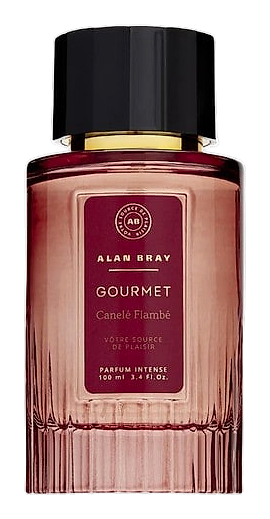
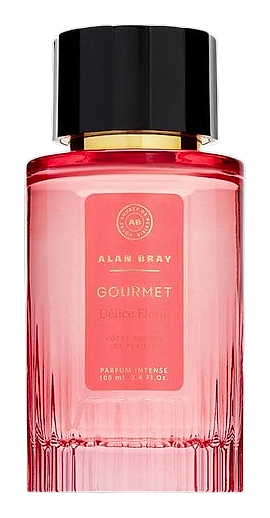
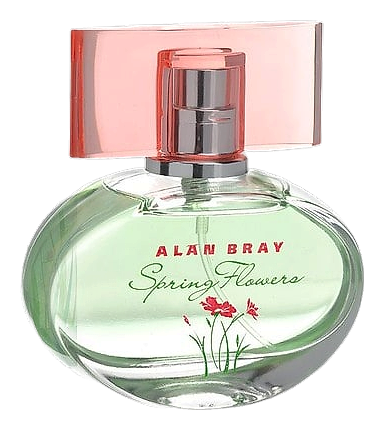
Alan BrayAlan Bray is a niche perfume house that builds a catalogue of more than ninety scents since the early 2000s. The brand releases fragrances that often pair unexpected ingredients, such as cherry and almond in its Canelé Flambé (2024) or the bright floral accord of Spring Flowers (2013). Each launch arrives with a distinct personality, inviting collectors to explore a spectrum that ranges from the masculine L'Homme Noble (2025) to the daring High Society L'Imperatrice (2024). The label operates out of Paris and reaches a global audience through specialty retailers and online platforms.
The Creator
Alan BrayBray’s signature technique rests on a single, bold accord that dominates the composition. In Cherry Almond he pairs bright, fermented cherry with warm, nutty almond oil, letting the two notes intertwine for twelve hours without fading.