The Story
Why it exists.
The beginning
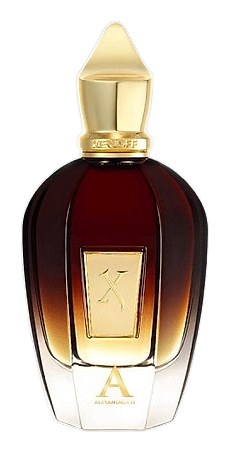
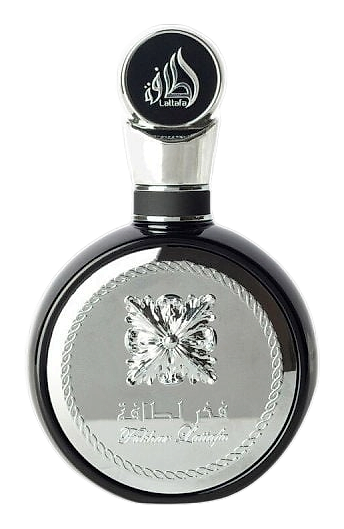
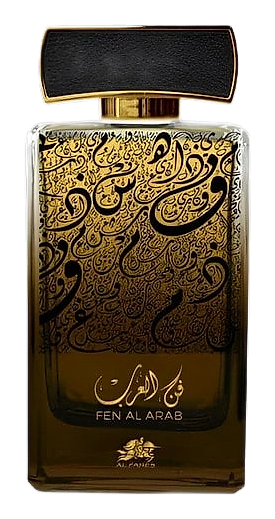
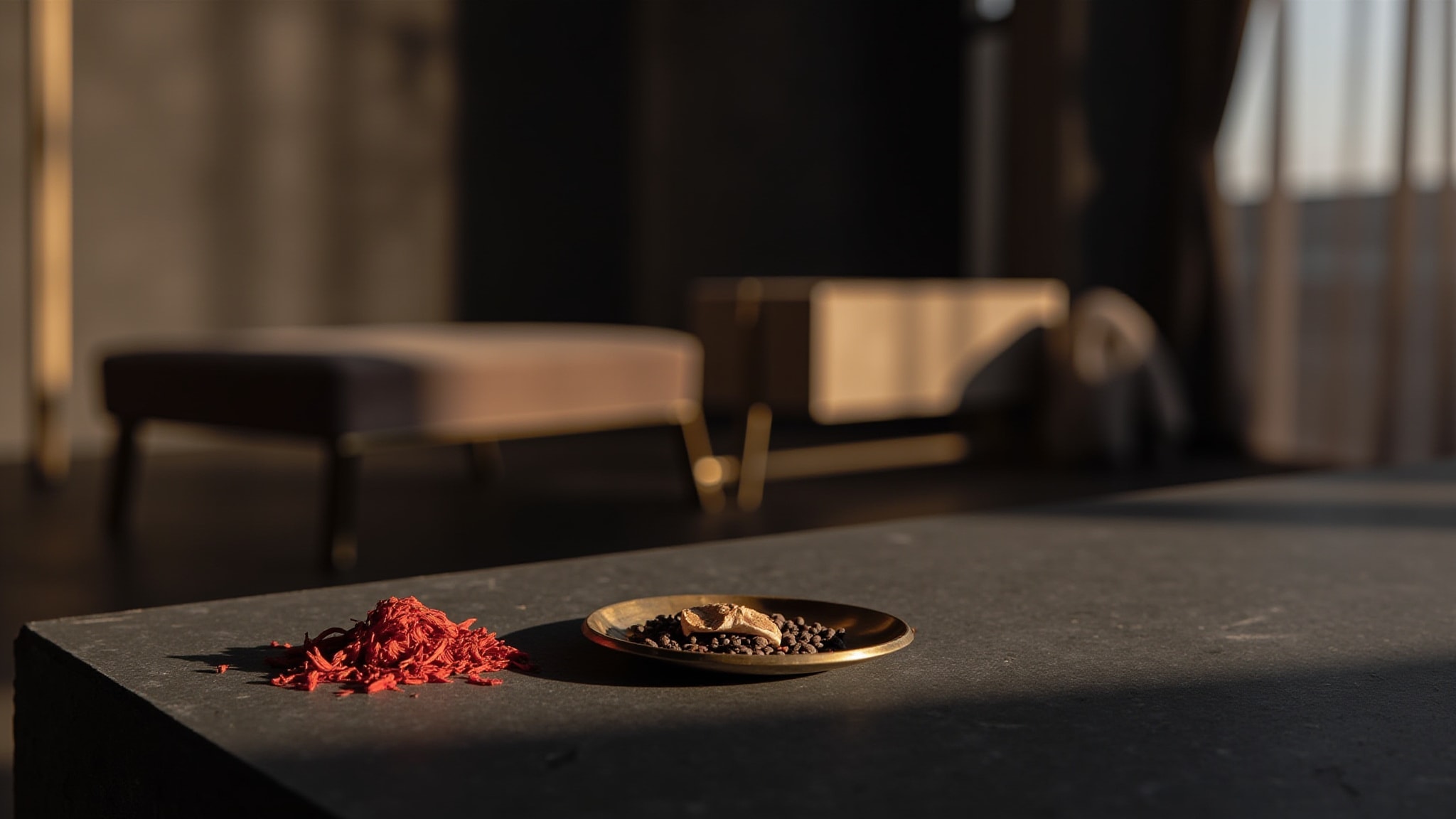
Launched in 2020 by Al Fares, the composition pulls from materials that have defined Arabic scent culture for centuries: oud, rose, saffron, amber, musk. The opening is a deliberate flex of spice, black pepper and saffron side by side, the kind of combination that signals you know what you're wearing before anyone asks. The saffron carries that almost leathery warmth it brings when it isn't sweetened, and the black pepper lands sharp and immediate against it, dry rather than sweet, almost smoked. This isn't a fragrance trying to introduce oud to newcomers. It's a composition that assumes the wearer already speaks the language.
The structure follows the classical Arabic model. Black pepper and saffron together create a dry, almost smoked heat before the oud even settles. The spice frames the oud rather than competing with it, which lets the woodier character emerge gradually rather than overwhelming from the first spray. The Turkish rose at the heart adds a floral bridge rather than a floral statement, and the geranium contributes a green facet that keeps the rose from going powdery or pretty.
The evolution
The opening is a controlled burn of spice and wood. Black pepper lands sharp and immediate, saffron threads through it with that almost leathery warmth it carries when it isn't sweetened, and the oud underneath reads dark but not heavy. There's a dry, slightly smoky quality that suggests the materials know what they're doing. As the composition settles, the pepper recedes and the Turkish rose steps forward, but it doesn't go powdery or pretty. It goes warm, almost honeyed, and the geranium gives it a green edge that keeps it from turning soft. The oud hums underneath, transformed now from the opening's darkness into something more like worn leather, with a dry resinous quality that sits close to the skin.
Cultural impact
Fen Al Arab sits comfortably inside the Arabic perfumery tradition without trying to redefine it. The composition reads as warm, spiced, and wearable for evening rather than ceremony, with a saffron and black pepper opening that signals familiarity with the genre's conventions. The oud runs dark but not heavy through the heart, and the Turkish rose adds a warm, almost honeyed floral bridge that keeps the composition grounded. The base of labdanum, amber, patchouli, vetiver, and musk gives it a resinous, earthy finish that anchors the brighter top notes.