The Story
Why it exists.
The beginning
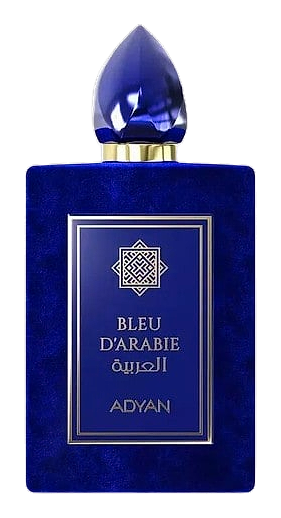
Bleu D'Arabie arrived in 2025 from Adyan, the contemporary arm of Dubai-based Oudh Al Anfar. The scent reads less as a postcard and more as climate. Cool citrus opens the composition, sharp and bracing, carrying something of the Mediterranean in its zest. Warm resin and tea come pulling through from the Gulf side, weight and smoke settling into the base like heat radiating off stone. The composition sits at an unusual intersection: two traditions meeting in a single bottle, neither dominating the other. Adyan operates as a creative extension of Oudh Al Anfar, channeling Arabian materials through a contemporary lens. Bleu D'Arabie makes a strong case for that approach, holding together bright citrus, textured spice, and resinous warmth in a way that feels deliberate rather than crowded.
What makes the composition interesting is the tension between Calabrian bergamot and Ceylonese cinnamon. Bergamot wants to stay bright, even floral. Cinnamon wants to sink in, radiate, linger. The neroli in the middle acts as a diplomat, bridging that gap with its bitter-orange edge. The whole structure depends on that negotiation holding, and somehow it does. The bergamot doesn't get steamrolled by the spice, and the cinnamon doesn't collapse into sweetness. Instead the two circle each other, each one tempering the other, neither surrendering its own character.
The evolution
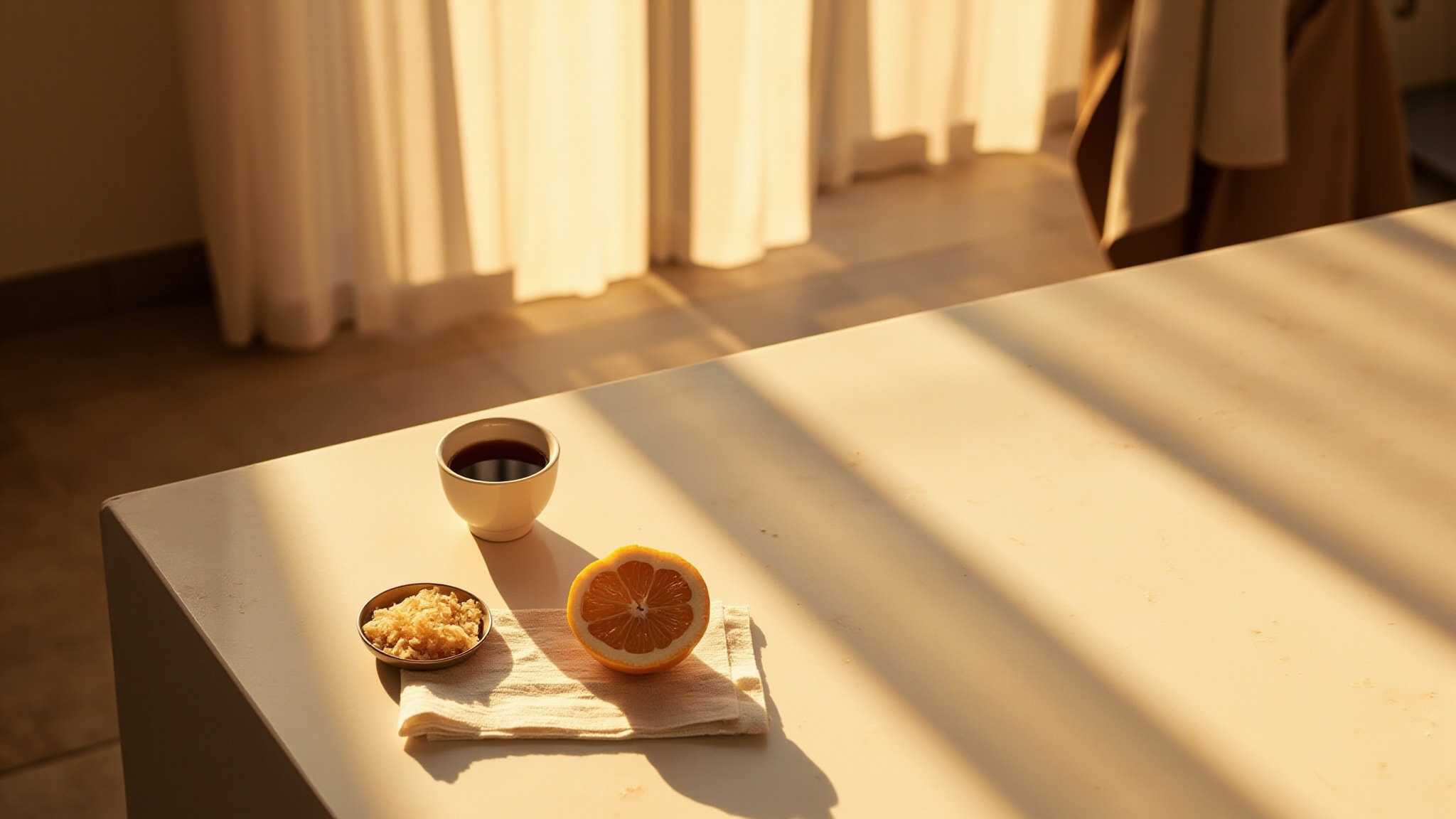
Bleu D'Arabie opens with a Mediterranean burst of Calabrian bergamot, citron, and Sicilian orange, bright and sun-warmed. The citrus settles as Nigerian ginger and Ceylonese cinnamon warm the composition, bridged by Tunisian neroli that keeps the spice from drifting too far. Chinese black tea, guaiac wood, ambroxan, and frankincense then anchor the base, pulling the bright opening into a quieter, resinous finish that holds close to the skin for hours.
Cultural impact
Bleu D'Arabie has drawn comparisons to Louis Vuitton's Imagination and Pacific Chill, and the overlap in territory is real. The composition leans bright and citrusy-spicy in the same family as those releases. Where it diverges is the frankincense and black tea drydown, which bring a distinctly Arabian layer into a category usually dominated by ozonic and aquatic accords. The result is a fresh-spicy scent that doesn't feel like a European summer in a bottle, but rather something rooted in Gulf tradition.