The Story
Why it exists.
The beginning
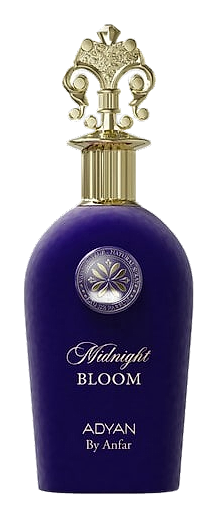
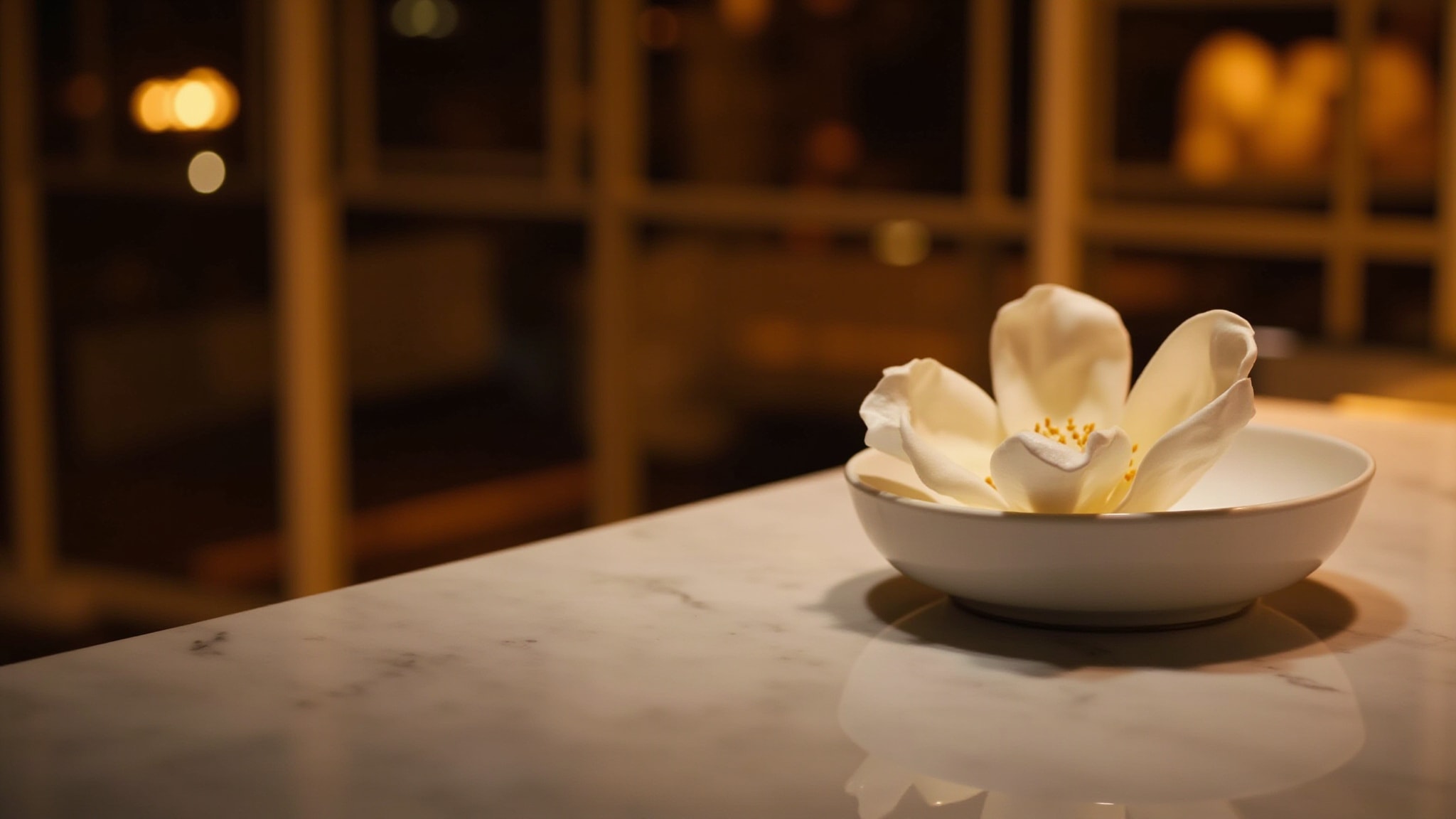
Midnight Bloom centers on gardenia. The flower carries a duality, something innocent and something else entirely. That tension informed the naming. Gardenia has long represented purity and sweetness in fragrance, but here it carries a different weight, a nocturnal quality that feels intentional. Midnight Bloom: the hour when white flowers feel most deliberate, most present, most themselves.
Three notes sounds simple. It isn't. Gardenia brings a creamy, tropical fullness, white floral richness that announces itself fully on skin. Vanilla smooths and sweetens the composition, adding warmth and softness. Amber grounds everything in a warm resin that wraps close to the wearer. The combination creates a scent that sounds straightforward but behaves with unexpected nuance. It's the kind of pyramid that invites you in with simplicity and holds your attention with complexity.
The evolution
The gardenia announces first. Creamy, tropical, a full bloom on skin rather than a whisper. As time passes, the vanilla softens everything, the gardenia doesn't disappear but it warms, becoming more intimate, more personal. This shift matters. The heart phase holds close. By the later stages, the amber takes over. Warm amber, the kind that makes skin feel like it was always this way. Gardenia traces linger longest, subtle and persistent. The entire arc unfolds quietly, staying with the wearer for hours rather than announcing itself across a room. That's the nature of this composition. Quiet presence over wide projection.
Cultural impact
Midnight Bloom fits comfortably among collectors who appreciate powdery florals with warmth. The fragrance has found its audience in regional communities where intimacy matters more than projection. That positioning, close, warm, quietly confident, appeals to wearers who want scent to feel personal rather than performative. It's a fragrance for those who understand that presence can be subtle and still make an impression.