The Story
Why it exists.
The beginning
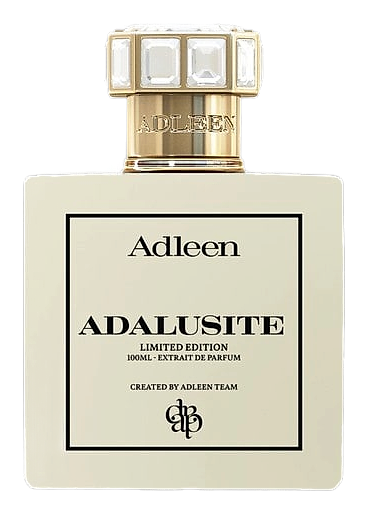
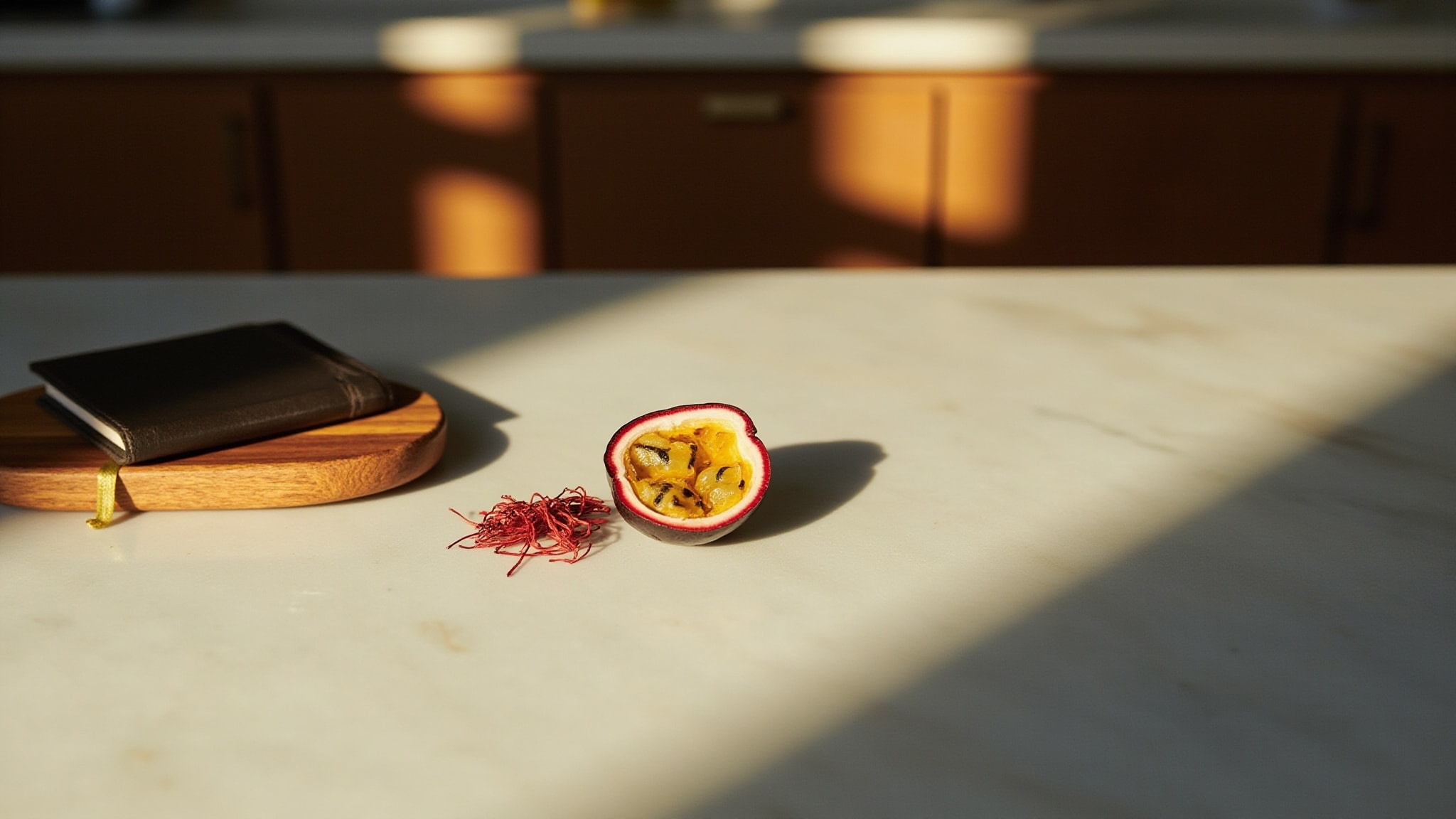
Adalusite takes its name from adalusite, a rare stone. Its composition opens with tropical fruit and saffron, then builds through jasmine, Turkish rose, cinnamon, and honey toward oud, leather, vanilla, labdanum, and amber. The progression is defined by contrasts: the bright fruit gives way to warm spice, polished white florals, rounded sweetness, and dry cinnamon before darker woods and resins establish the base. Tropical passion fruit lends the opening a glossy, juicy quality, while saffron adds a lightly metallic, warmly spiced edge. Jasmine and Turkish rose bring a soft floral heart, balanced by honey's smooth sweetness and cinnamon's dry warmth.
The unusual part is the handoff between materials that usually live in different perfume families. Passion fruit brings a juicy, almost sunlit quality, while saffron adds spice and a dry metallic edge. Jasmine and Turkish rose soften that brightness into a floral center, and honey gives it a warm, edible depth. Cinnamon brings the composition toward the darker register. Cedarwood, oud, vanilla, leather, labdanum, and amber then anchor it in a woody base. That contrast makes Adalusite feel less like a simple tropical floral and more like a polished fragrance with a pulse.
The evolution
Adalusite begins with a vivid lift: passion fruit gives the opening a glossy, tropical brightness, while saffron cuts through with warm spice. The fruit gradually loses its sharpness as jasmine and Turkish rose take over, creating a white floral center that feels polished rather than airy. Honey adds a rounded sweetness, and cinnamon introduces a dry, gently woody warmth. Together, these notes create a layered transition from juicy brightness to soft florals and warm spice. As the fragrance settles, the composition moves decisively into its darker materials. Cedarwood and oud bring depth, leather adds a supple, close-to-the-skin texture, and vanilla softens the sharper edges without losing the sense of structure. Labdanum and amber leave a warm resinous trail. Over time, the initial tropical brightness recedes, while the floral heart takes on a sweeter, more textured character.
Cultural impact
Adalusite is defined by its exploration of contrasting aromatic textures. Passion fruit and saffron create a glossy opening with warm spice, while jasmine, Turkish rose, honey, and cinnamon build a soft floral and gently sweet heart. The composition then shifts toward oud, cedarwood, leather, vanilla, labdanum, and amber. This progression invites attention to the way bright fruit, polished florals, dry spice, supple leather, smoky woods, and warm resins interact as the scent develops on skin.