The Story
Why it exists.
The beginning
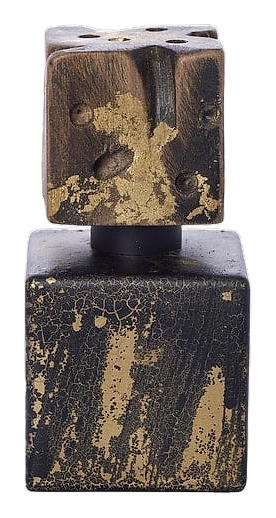
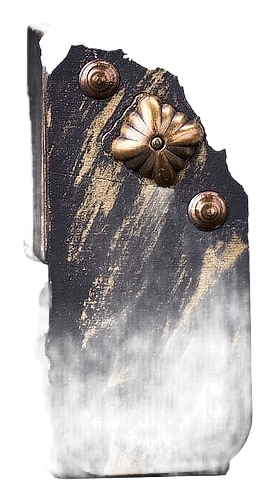
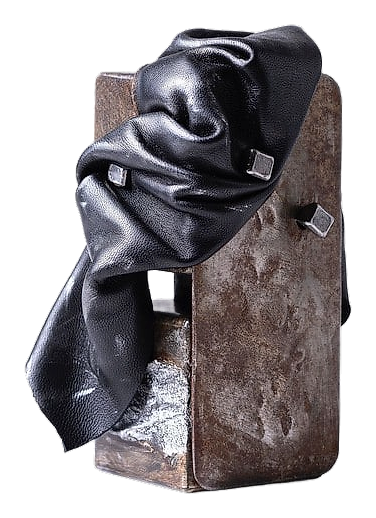
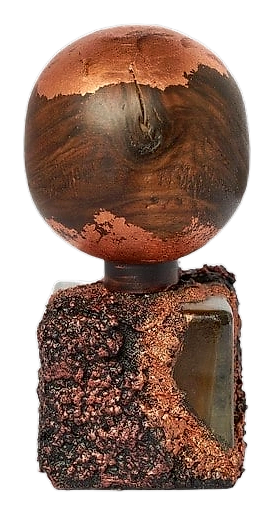
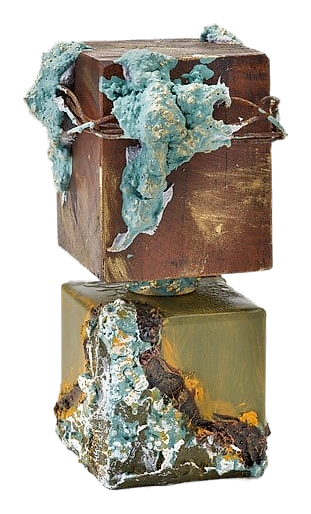
The name carries everything. Gethsemane, the garden where ancient olive trees still stand in Jerusalem, where the Via Dolorosa begins its final descent. David-Lev Jipa Slivinschi built this fragrance around that weight. Fifty-five bottles, each hand-painted by founder Adi Ale Van, each one a small vessel for something that refuses to be merely beautiful. Nard oil and frankincense form the skeleton, materials that have meant devotion for two thousand years, now rendered in a 2023 Romanian artisan studio.
The note structure isn't decoration. It's argument. Cool herbs at the top, bay, basil, olive, set up a tension with the warm, animalic base that arrives later. Then metallic notes and frankincense create that altar-in-a-stone-church feeling. Spikenard and ambrette add complexity without sweetness. The combination of castoreum and oud in the base isn't a cliché here, it reads as the most honest materials the perfumer could find. This is how you smell devotion: not sugar, not florals, but something that costs the wearer.
The evolution
It opens bright and green. Bay leaf, clove, basil, a herb garden in morning cold. Thirty minutes in, the metallic notes arrive. Not pleasant. Not trying to be. Frankincense follows, heavy and real. By the second hour, the smoke and leather take over. The castoreum emerges slowly, animalic but controlled, never dirty. The drydown holds for over ten hours. Salt and vetiver and nagarmotha create a mineral dust that never fully disappears. By morning, it's part of your skin.
Cultural impact
Fifty-five bottles. Sold out. This fragrance exists at the intersection of conceptual art and spiritual practice, not in the luxury market, not in niche perfumery's usual channels. The secondary market reflects that scarcity. Adi Ale Van operates outside conventional categories entirely, which means Gethsemane either speaks to you completely or doesn't. For those it speaks to, nothing else will do.