
The Story
Why it exists.
The beginning
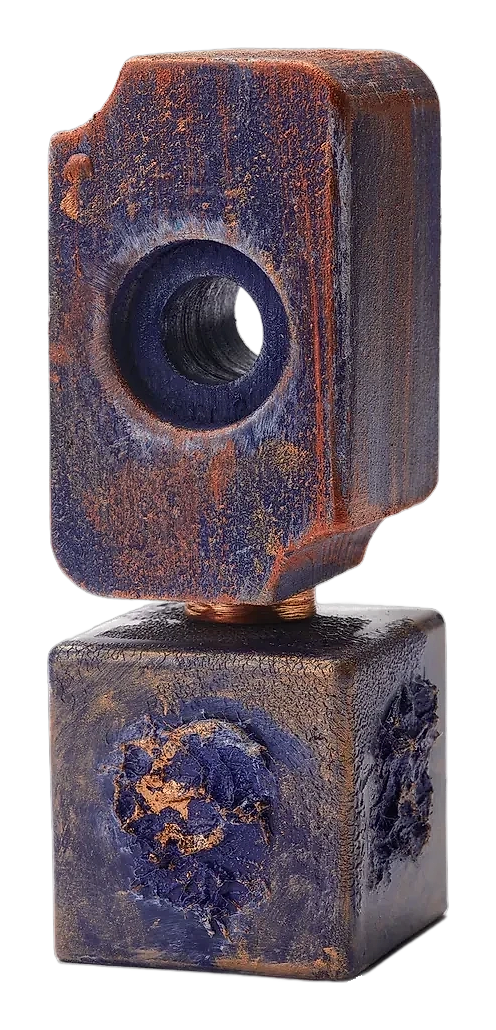
.U.M.B.R.E. stands for 'the extrait of hope', and that isn't metaphor. The fragrance draws from the anti-communist resistance fighters who hid in the Carpathian Mountains between 1948 and 1960, sustained by faith and each other in conditions of near-total darkness. Adi Ale Van built the scent around that specific Romanian history, naming it after the quality that kept people alive when nothing else could. Perfumer Jimmy Bodin translated that narrative into material: bitter coffee for the long nights, warm resin for what waits on the other side.
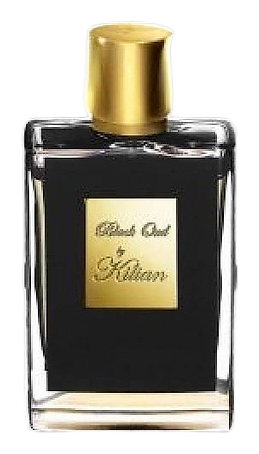
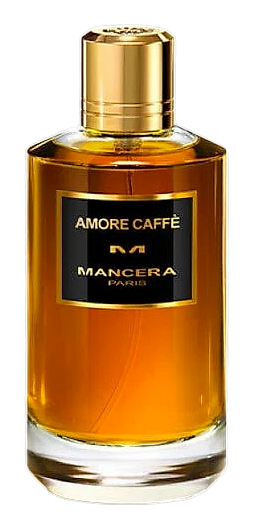
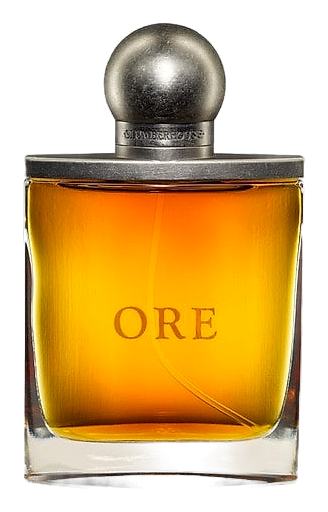
What makes the composition interesting is how Bodin handles the animalic layer. Davana opens bright and almost astringent, while the animalic notes provide a low-level tension underneath, not offensive, not quiet either. Cypriol Oil (nagarmotha) bridges the gap between the herbal top and the balsamic base, adding earthiness that grounds the gourmand elements. The result is a fragrance that smells expensive without trying to.
The evolution
The opening hits fast: coffee, davana, and a brief flash of something animalic that either intrigues or repels depending on your tolerance for realistic scent. Within 20 minutes, the coffee softens. Benzoin arrives, sweet, balsamic, warm. The next two hours belong to this middle phase: coffee and resin woven together, tobacco appearing and disappearing like a background character. The drydown is where myrrh takes over, slow and resinous, lasting well past eight hours on most skin. On fabric, it lingers overnight.
Cultural impact
Among niche collectors, Adi Ale Van occupies a specific position: handmade, Romanian, narrative-driven. .U.M.B.R.E. specifically attracts wearers who respond to the anti-communist resistance backstory as much as the coffee-to-myrrh trajectory. Community feedback describes it as evocative and atmospheric, a scent that asks something of you rather than immediately offering comfort.