The Story
Why it exists.
The beginning
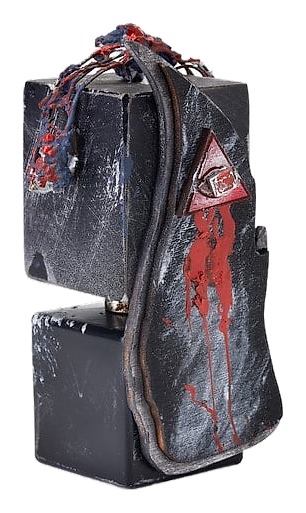
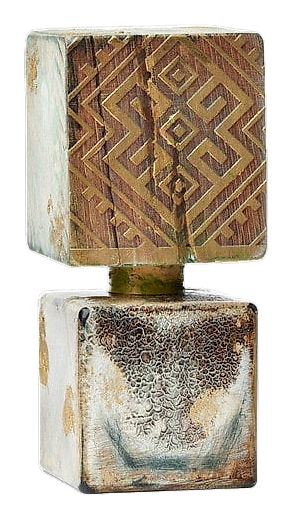
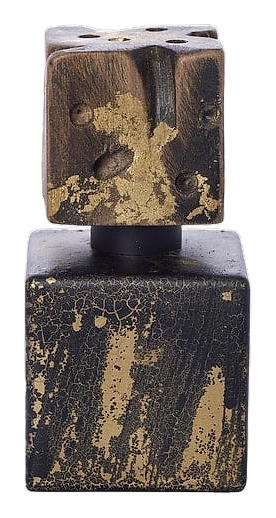
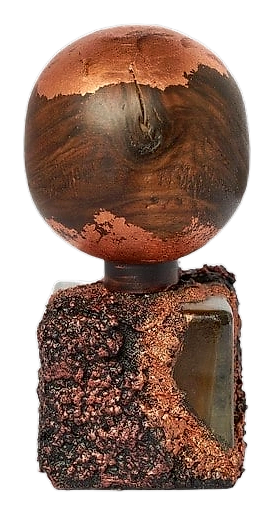
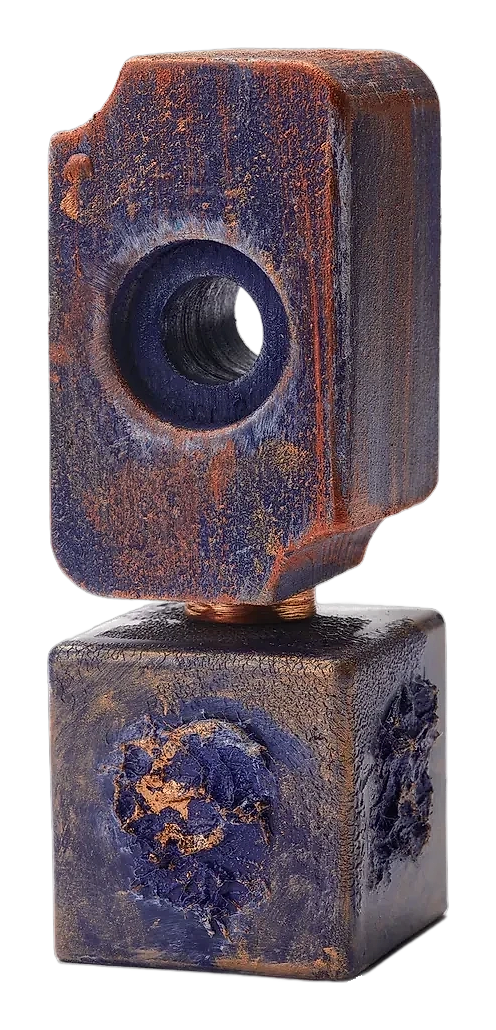
This fragrance began with an old dream. Not a brief, a destination. The founder of Adi Ale Van had walked through the old city of Jerusalem, past spice shops where rare odors saturated the air, toward the Church of the Holy Sepulchre. The smell of holy incense, the heat of stone, the salt of distant sea air, it stayed. Years later, working with perfumer Jimmy Bodin, that memory became the brief. Urma Vie, Extrait de Ceaslov is the translation of that journey into liquid form. The Lions' Gate on the lid is not decoration. It's the threshold.
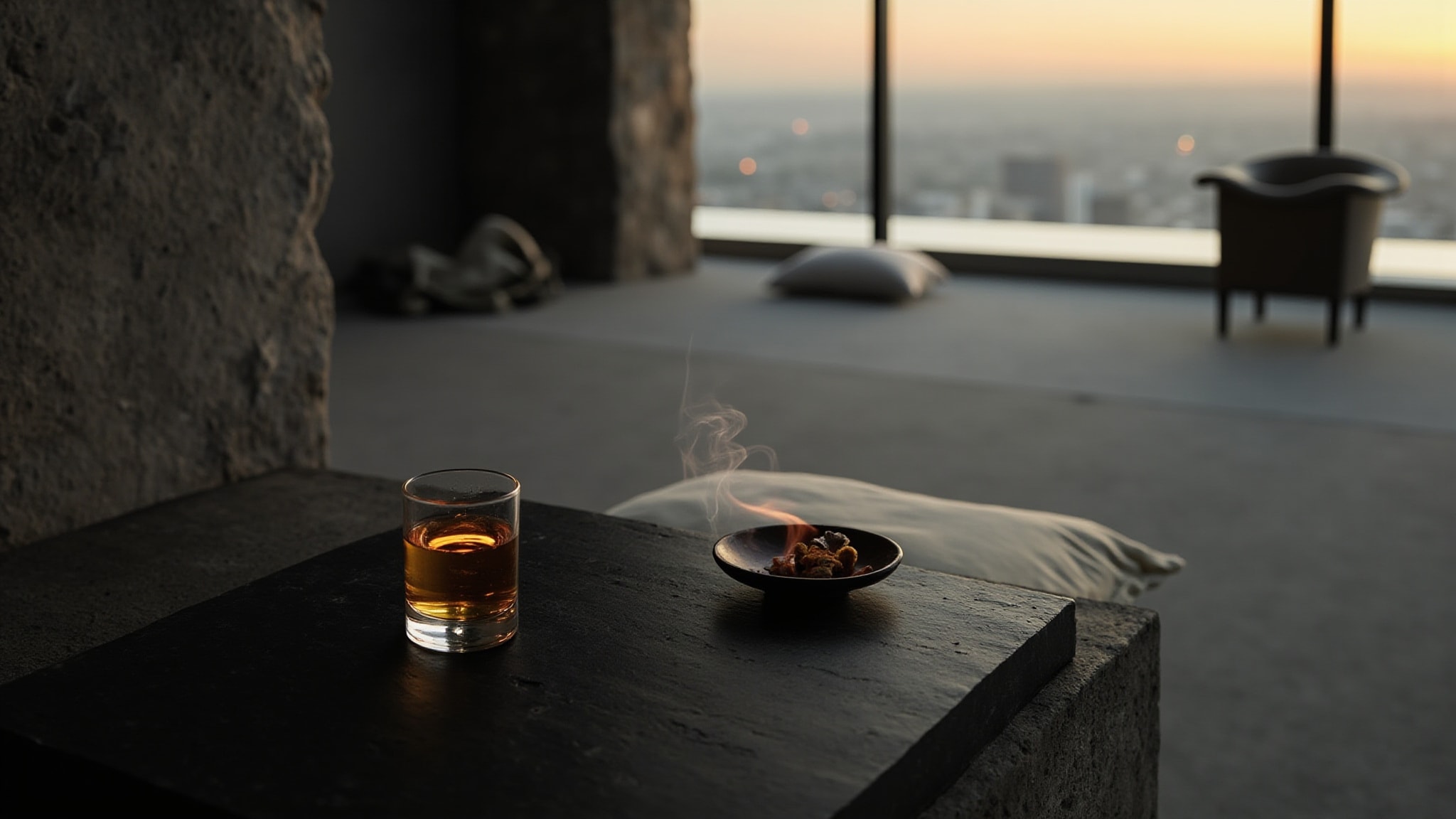
What makes this composition unusual is how the whiskey and salt function together. Most fragrances treat whiskey as a novelty, a splash of alcohol, a masculine note. Here, whiskey and salt become the opening chord of a much longer piece. They're the mineral foundation that lets frankincense build without tipping into sweet incense territory. The double frankincense (heart and base) means the smoke doesn't evaporate, it compounds. Oakmoss at the base adds a green, slightly bitter depth that keeps the drydown from becoming powdery or linear.
The evolution
The opening hits fast, whiskey bright and sharp, the salt giving it an almost coastal edge before the frankincense takes over. Within minutes, the incense is dominant, but not heavy. There's a clarity to it, a clean smoke that feels liturgical rather than campfire. The amber arrives midway through the heart phase, sweetening the edges without softening the structure. Vetiver is the quiet workhorse here, it adds texture, keeps things from going flat. By hour three, the whiskey has fully receded and what remains is a frankincense-amber core with patchouli beginning to deepen. The drydown is where this fragrance earns its name. Oakmoss surfaces slowly, bringing a green resinous quality that isn't quite chypre but shares that complexity. The patchouli keeps the base grounded without becoming earthy in the conventional sense. Eight to ten hours later, on most skin, there's still a quiet presence, the kind of ghost that makes you check your wrist at the end of the day. The sillage is strong but not overwhelming.
Cultural impact
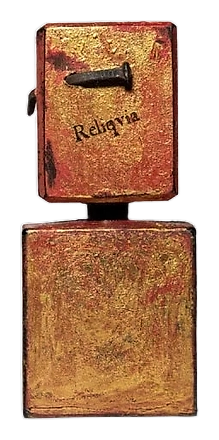
Urma Vie sits in a specific corner of the niche market, the intersection of sacred incense and wearable fragrance. It's not a meditation scent or a diffuser oil. It's a composition that took the olfactory memory of Jerusalem and translated it into something you can wear to a dinner party and still mean it. Collectors who gravitate toward this fragrance tend to have already tried the obvious incense references, Avignon, Reliqvia, and found them either too linear or too fleeting. The whiskey-salt opening gives it a modernity that keeps it from reading as purely devotional. For those who find the sacred in hand-touched objects and ancestral depth, this is the fragrance that answers the search.