
The Story
Why it exists.
The beginning
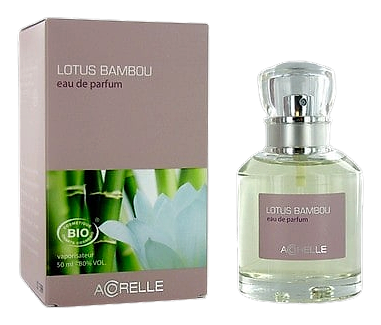
Lotus Bambou arrived in 2008, pairing the feminine elegance of the lotus flower with the masculine tenacity of bamboo. Two plants, one idea. The yin and yang of the botanical world, translated into a unisex composition. Acorelle demonstrates that natural ingredients can compete with conventional perfumery on longevity and depth. Lotus Bambou was the next step, a fragrance that didn't just smell good but embodied the house's conviction that intentional beauty choices signal sophistication better than conventional luxury.
What makes this composition interesting is the structural tension between its opening and its base. The top is all brightness, citrus and mint create a classic aromatic freshness that reads immediately accessible. But the heart introduces white florals that soften and complicate that initial sharpness. And the base, cedar, bamboo, patchouli, grounds everything in something woody, green, slightly herbaceous. The bamboo note is the tell. It distinguishes the drydown from the cedar-patchouli template most woody fragrances rely on. That's where the fragrance earns its name.
The evolution
The opening hits bright and immediate. Bergamot, lemon, mandarin, a quartet of citruses that don't apologize for being citrus. Mint adds a cool current beneath, and blackcurrant brings just enough weight to keep it from reading as cologne. Before the florals arrive, the citrus has already done its work. Neroli and orange blossom take over, softening the sharpness into something more complex. The handoff is smooth, you don't notice the citrus leaving so much as you realize one day it's gone and something else has moved in. The drydown is where bamboo makes its case. Virginia cedar provides the structure, patchouli adds earth, but the green quality of bamboo keeps the base from becoming heavy. The result is a drydown that can extend well beyond initial application, leaving a quiet presence on fabric.
Cultural impact
Lotus Bambou occupies an interesting space in Acorelle's catalog. It's not competing with niche houses on rarity or with fashion brands on image. Instead, it appeals to a specific kind of wearer. The unisex positioning was unusual in 2008, when gender-coded marketing still dominated. The concept of yin and yang, lotus and bamboo, gave the house a story to tell that transcended the usual male/female binary. That's still relevant. What hasn't changed is the fragrance itself: citrus-fresh, green, and quietly confident.