The Story
Why it exists.
The beginning
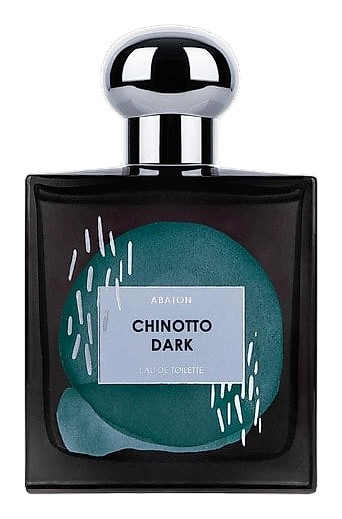
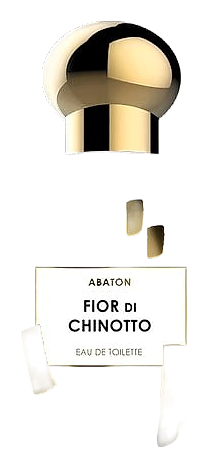
Fior di Chinotto was born after a four-year wait to collect a sufficient quantity of the fine chinotto flowers that grow sparse on the tree. That scarcity became part of the story. A perfume born from patience, from a fruit most of the world still hasn't tasted. The chinotto, that bitter little citrus, is a flavor known to some through a dark, syrupy soda, but here it is translated into something entirely new. The flower, not the shadow. The blossoms carry a natural bitterness that distinguishes them from conventional white florals, and the formula leans into that character instead of smoothing it over. A bright composition circling a single fruit from one particular angle. The trees flower sparingly, and gathering enough blossoms required time most perfumers would consider impractical.
Most floral compositions chase roundness, sweetness, that crowd-pleasing softness. Fior di Chinotto refuses. The chinotto blossom carries a natural bitterness that reads almost pharmaceutical next to conventional white florals, and the formula leans into that tension instead of smoothing it over. Pairing that bitter blossom with the creaminess of tuberose and the indolic warmth of jasmine creates a push-pull that never fully resolves. The honey underneath sweetens just enough to keep things wearable. The moss grounds everything in something damp and alive.
The evolution
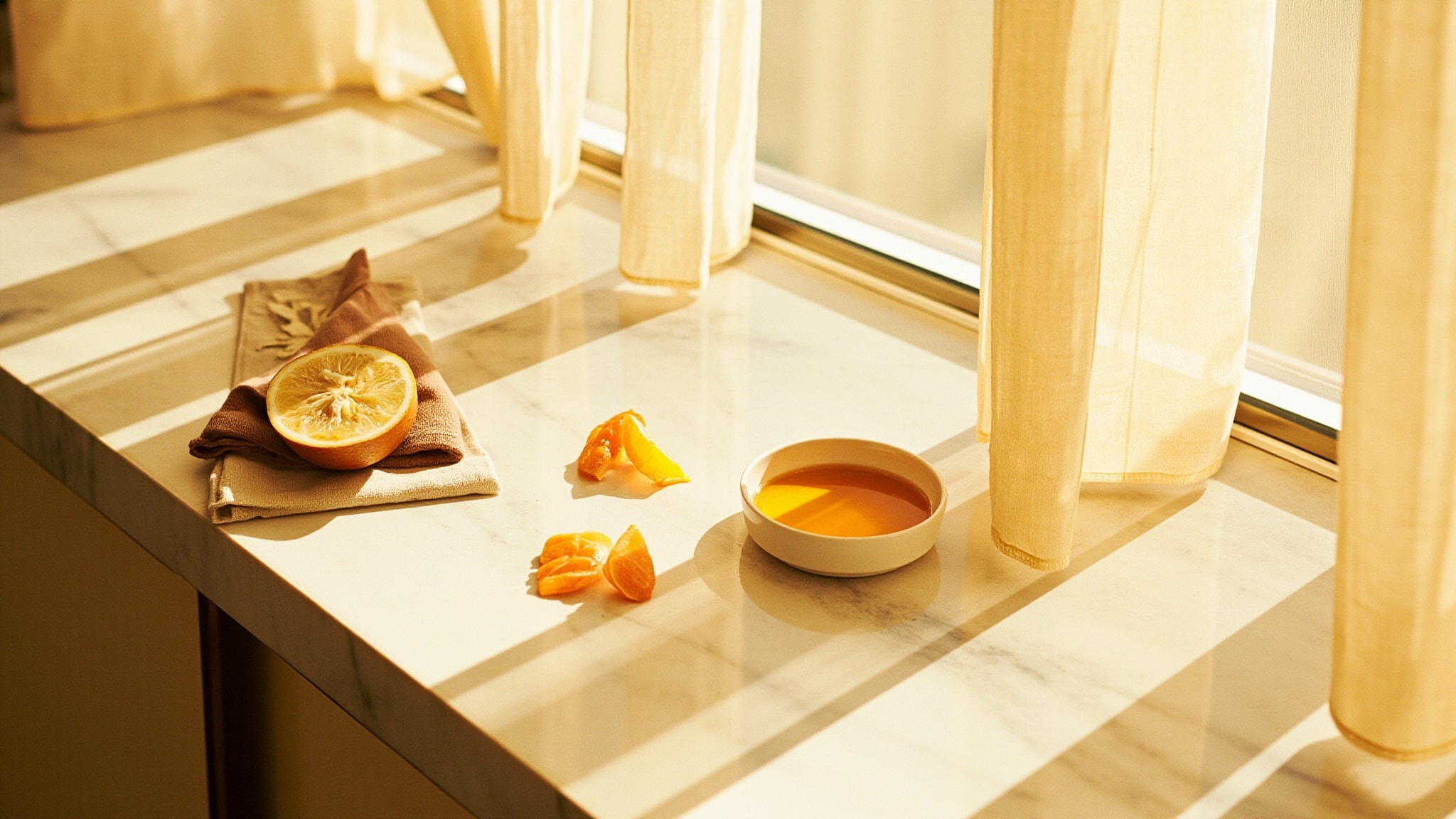
The first fifteen minutes are all citrus, loud and bright, the chinotto and mandarin sparkling over orange blossom in a way that feels almost effervescent. The mandarin adds a sweet juiciness that lifts the chinotto's sharper edges, while the orange blossom weaves a soft, sunny thread between them. Then the white florals roll in, and the whole composition tilts. Tuberose arrives creamy and heavy, jasmine adds that warm indolic edge, and the chinotto blossom pulls everything sideways into something greener, more medicinal. The damask rose threads through the middle, softening the angularity without erasing it. By hour three the citrus is gone, and what remains is a thick floral-honey haze with that persistent bitter undertone, like orange peel steeped in warm milk. The base settles into moss and honey with woody depth underneath.
Cultural impact
Fior di Chinotto sits in an interesting space, the floral built around bitterness. Where sweetness typically defines the genre, this composition finds its identity in what most florals avoid. The chinotto is a fruit with cultural weight, known to many as the dark, bittersweet soda served at Italian cafés and remembered by travelers as a flavor that defies easy categorization. Translating that sour-bright complexity into a floral fragrance creates something that rewards recognition.