The Story
Why it exists.
The beginning
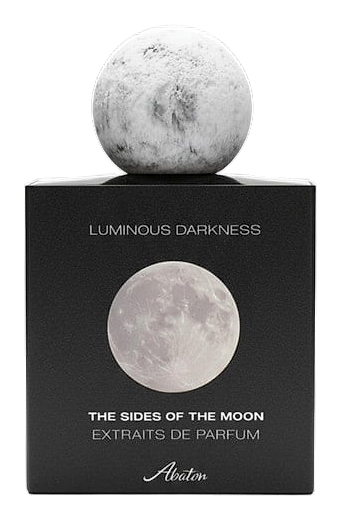
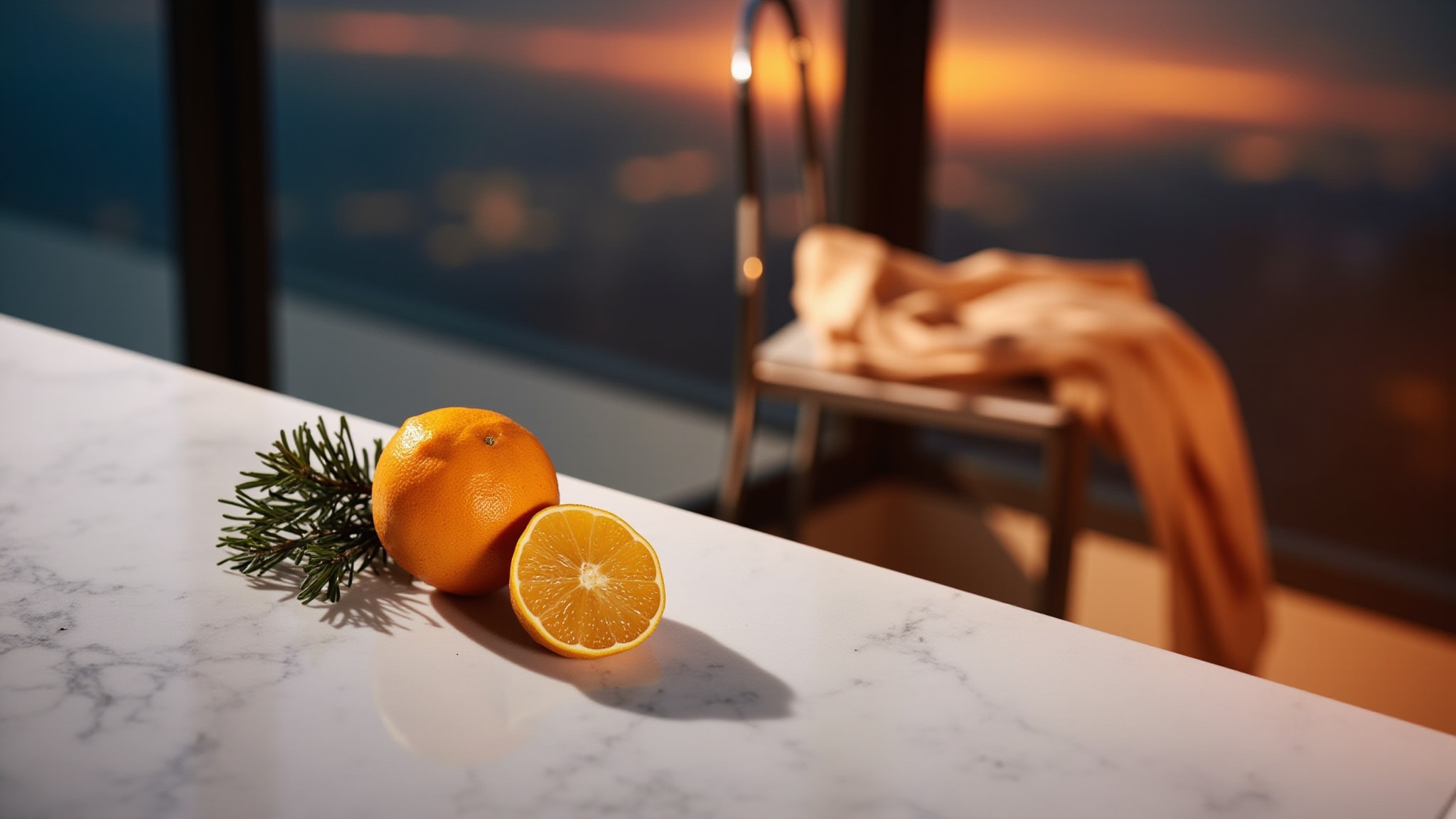
The Sides of the Moon collection works out its central question across three fragrances that share a family but not a temperament. Luminous Darkness is the first chapter. Marco Abaton built it around the moment just after dusk, not dark yet, not light anymore. Chinotto leaf and peel provide the signature bitterness the house is known for, but here they've been asked to share space with something softer. As the top notes settle, the composition reveals its true character: tuberose blooms with a creamy, almost buttery richness, jasmine adds its indolic warmth, orange blossom brings a translucent sweetness, and amber anchors the whole thing in a golden glow. The brief was contrast, yes, but specifically the contrast of a moon that doesn't fully reveal itself.
The heart of this fragrance is the Chinotto blossom, not the bitter leaf or peel that opens, but the flower itself, creamy and luminous in the way only white blooms can be. Abaton's choice to pair it with absinthe wormwood and frankincense is deliberate. Wormwood brings a liqueur-like depth, something almost medicinal. Frankincense brings spirituality, the smoke-and-air of old churches. Together with amber and honey, they create a heart that feels warm without being sweet, complex without being heavy. The base of patchouli grounds it all, earthy, familiar, the dark soil that the moonlit bloom grew from.
The evolution
The opening hits bright and sharp. Chinotto leaf and peel release a sparkling citrus energy, almost electric, while juniper adds a balsamic, crystalline breath that keeps it from becoming just another citrus. The texture shifts as the heart opens into something warmer, liqueur-like. Wormwood arrives like a cloud drifting across the moon. Tuberose unfurls with its characteristic creaminess, but here it's tempered by jasmine and the golden sweetness of honey. Amber illuminates from underneath. The white florals don't overwhelm; they glow. As the citrus settles, the florals soften into something more intimate, and what remains is frankincense and patchouli, a drydown that feels like the smell of a room after someone's left, still warm, still present, but quieter now. On fabric, patchouli lingers into the next day.
Cultural impact
Luminous Darkness occupies a particular space: floral-amber compositions are common, but those built on bitter citrus and absinthe wormwood are not. The fragrance presents a dusty, powdery quality that evokes the surface of the moon itself, lonely, contemplative, glowing from within. This is a scent that speaks quietly, holding attention without demanding it, offering an olfactory meditation on the liminal space between dusk and dark.