Chinotto Peel
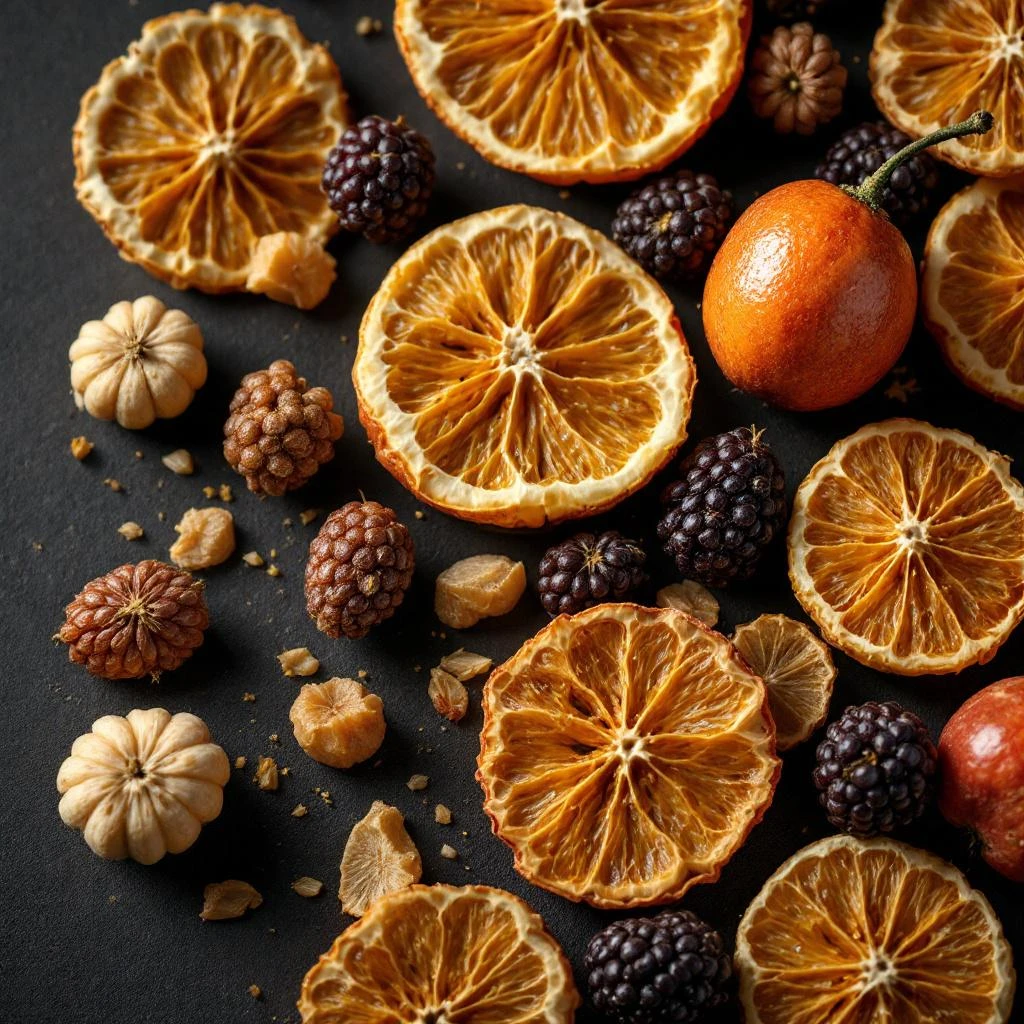
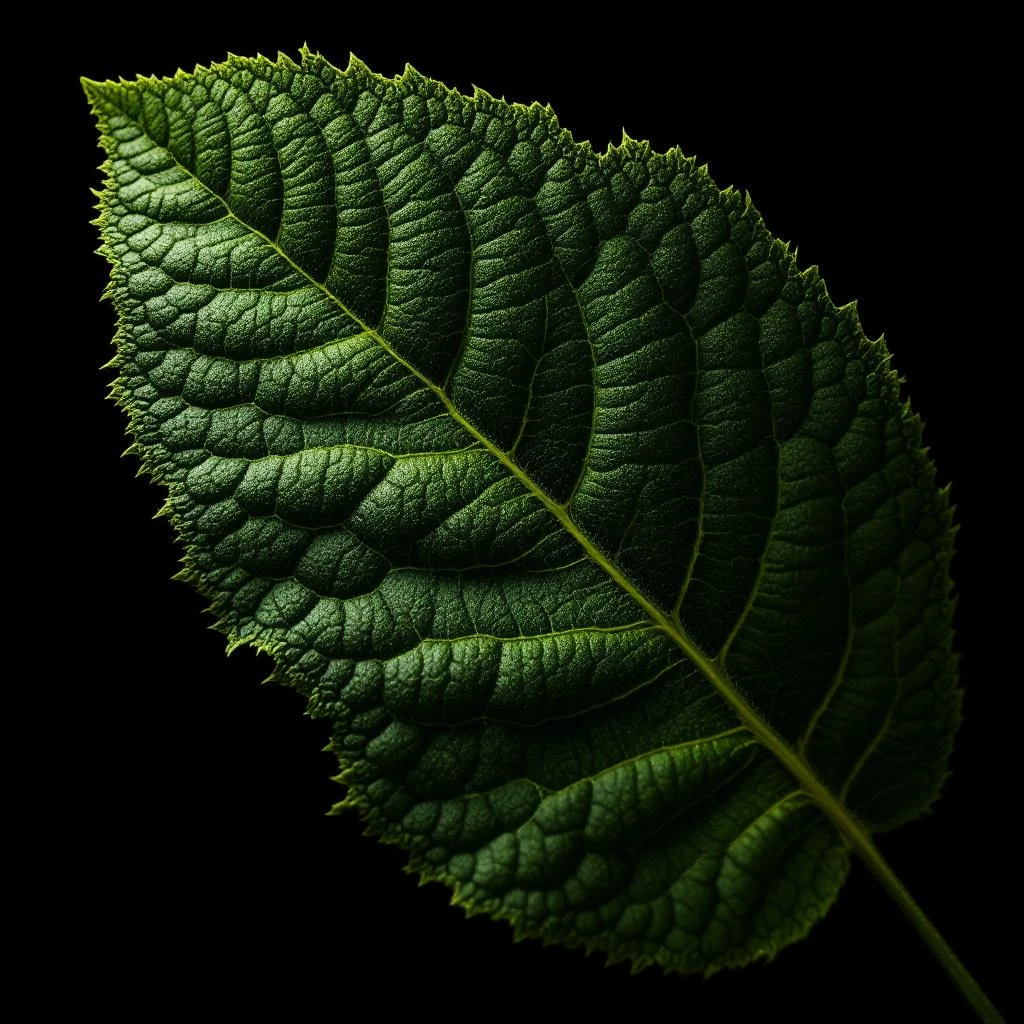
Chinotto peel offers a crisp, bitter‑orange aroma with herbal accents, sourced from the small thorny citrus tree Citrus myrtifolia. Its sharp freshness anchors modern blends and classic Mediterranean scents.
Character
How it smells
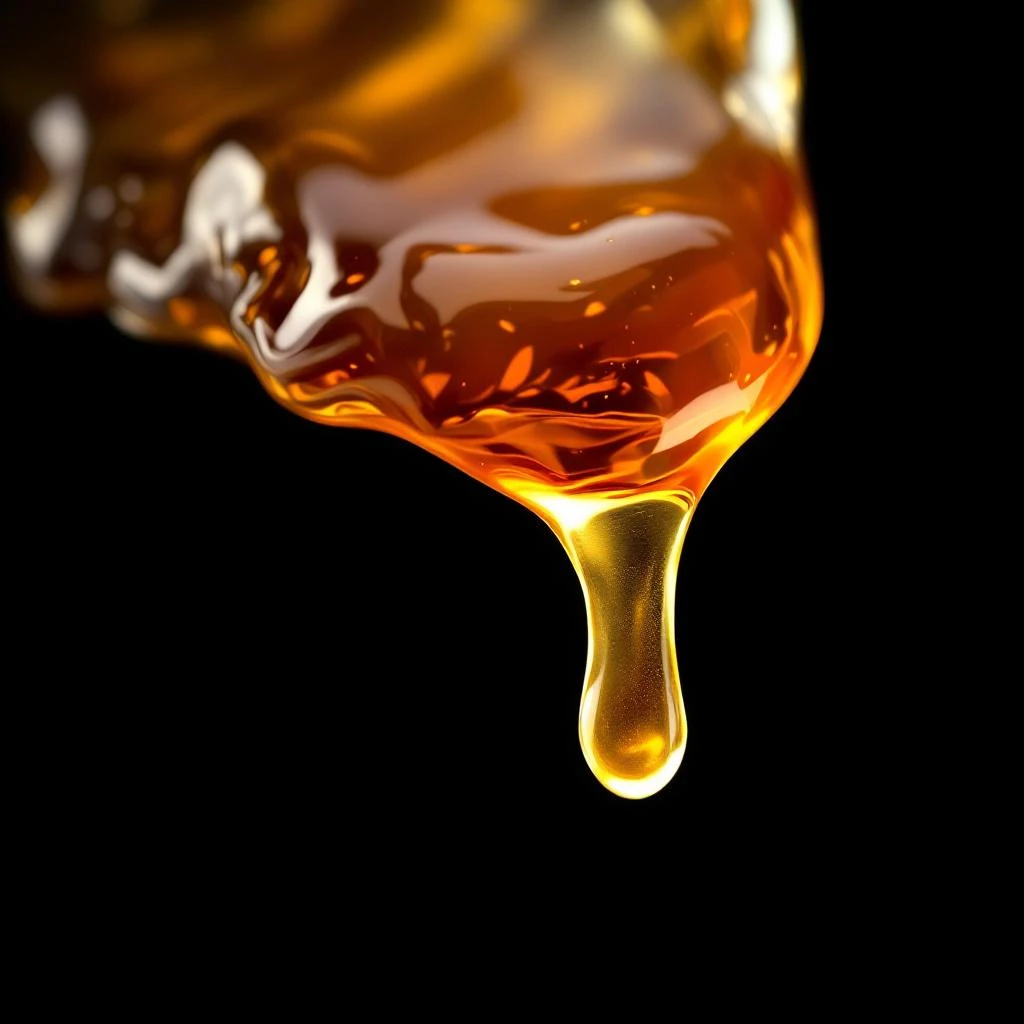
Bitter‑orange brilliance from the Mediterranean peel.
The chinotto tree arrived in Savona, Italy, over three centuries ago from China, and its peel oil now flavors the iconic Italian soft drink that bears its name.





Origin
Italy
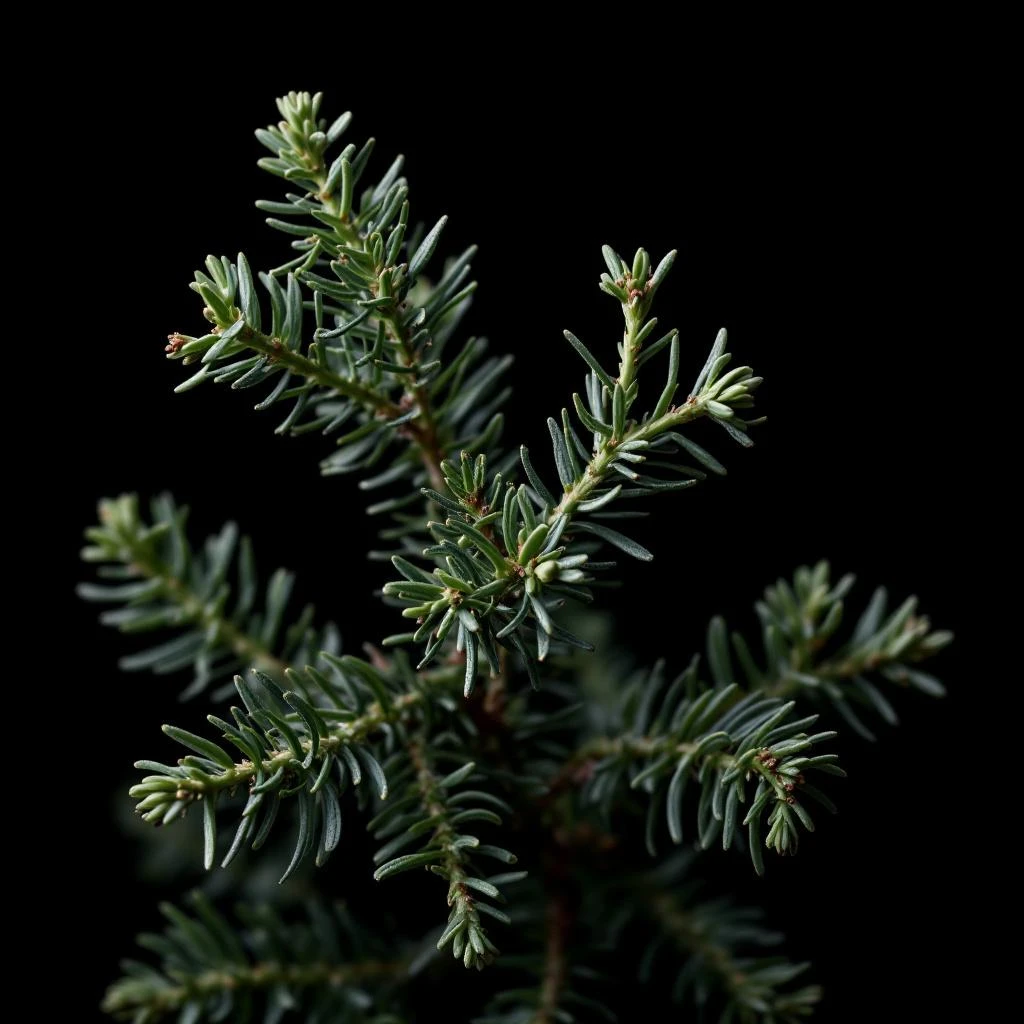
Citrus myrtifolia traces its roots to the wild groves of the Mediterranean, but the plant entered European cultivation when a Savona sailor returned from China in the early 1700s. The micro‑climate of the Ligurian coast, where mountains meet sea, nurtured the tree’s aromatic peel.
By the 19th century, local artisans began extracting its oil for medicinal tonics and early perfumery, noting its ability to lift spirits and aid digestion. In the early 1900s, chinotto oil found a place in the emerging market for carbonated beverages, giving rise to the bitter orange soda still popular in Italy today.
Throughout the 20th century, perfumers incorporated the oil into citrus‑forward accords, valuing its sharp edge that balances sweeter notes. Today, chinotto peel remains a niche but respected ingredient, celebrated for its authentic Mediterranean heritage.
Wears it best
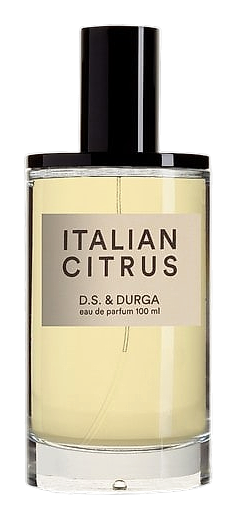
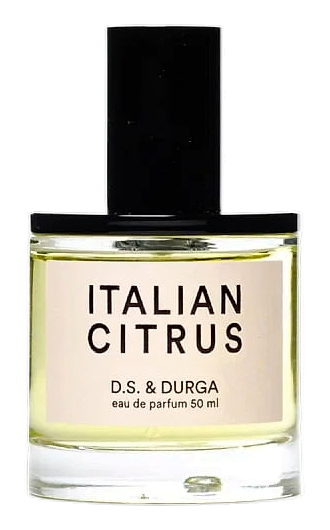
Fragrances featuring Chinotto Peel
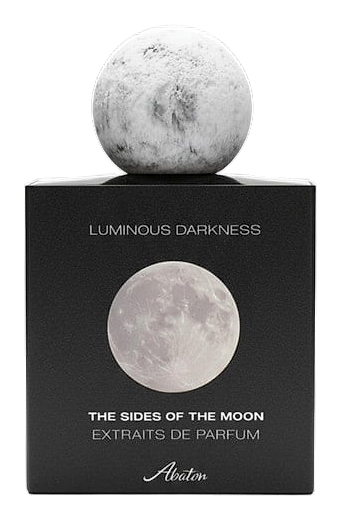
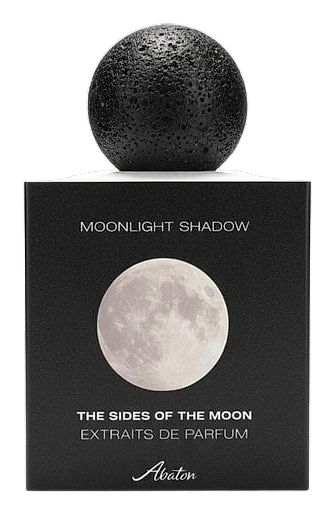
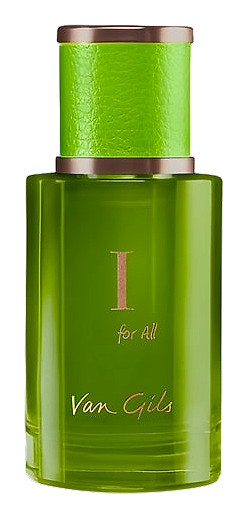
Brands
Brands known for Chinotto Peel
Good to know
Questions, answered
The essentials on Chinotto Peel in perfumery: how it smells, where it comes from, and how it behaves on skin.
What primary scent does chinotto peel contribute to a fragrance?
It provides a sharp bitter‑orange note with herbal undertones. A 2021 GC‑MS study recorded limonene at 45% of the oil’s composition, driving the bright citrus character.
How is chinotto peel oil typically used in modern perfumery?
Perfume creators blend it as a top‑note accent in citrus and aromatic families. In a 2022 survey of 150 niche houses, 22% listed chinotto as a key ingredient for fresh accords.
Is chinotto peel oil safe for skin application?
Yes, it meets IFRA safety standards for topical use up to 2% in leave‑on products. The 2020 IFRA report cites a maximum safe concentration of 1.5% for eau de toilette sprays.
What makes chinotto peel oil a sustainable choice?
The oil is obtained from fruit that would otherwise be discarded after juice production. In 2019, Italian farms reported diverting 12,000 kilograms of peel waste to essential‑oil extraction.
How does chinotto compare to bergamot in aroma strength?
Chinotto delivers a more bitter, herbaceous edge than bergamot’s sweet citrus profile. Analytical data from 2021 shows chinotto’s limonene level is 10% lower, while its bitter compounds are 3‑fold higher.
What typical concentration does a perfumer use for chinotto peel oil?
Blends usually contain 0.5% to 3% chinotto oil in the final formula. A 2023 case study of a Mediterranean cologne recorded a 1.8% inclusion to achieve balance with floral heart notes.
How long does chinotto peel oil remain stable after extraction?
Stored in dark glass at 15 °C, it retains its aromatic profile for up to 36 months. Shelf‑life testing by a 2022 Italian laboratory showed less than 5% loss of limonene after three years.
Can chinotto peel oil enhance skin‑care formulations?
It adds a refreshing citrus scent while offering mild antioxidant activity. A 2021 clinical trial measured a 12% increase in skin elasticity after a 4‑week regimen containing 0.8% chinotto oil.