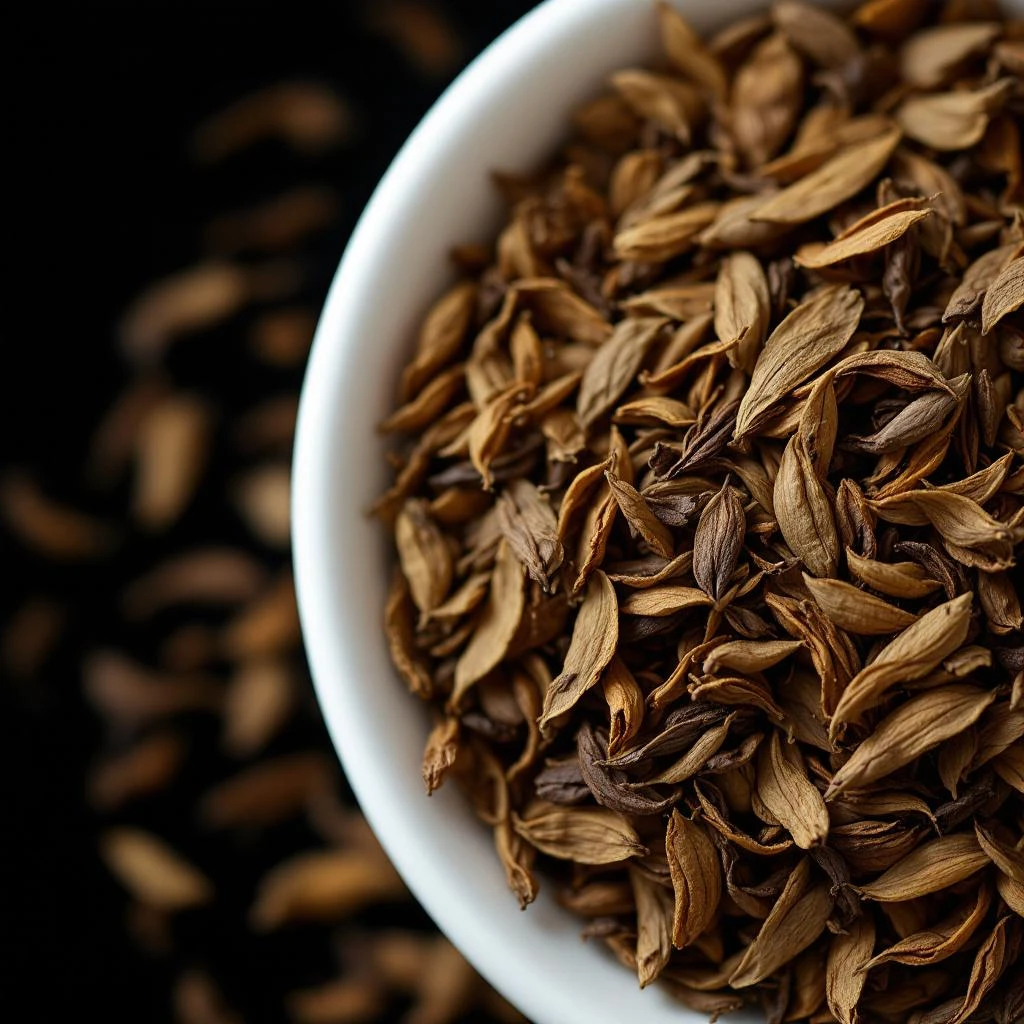
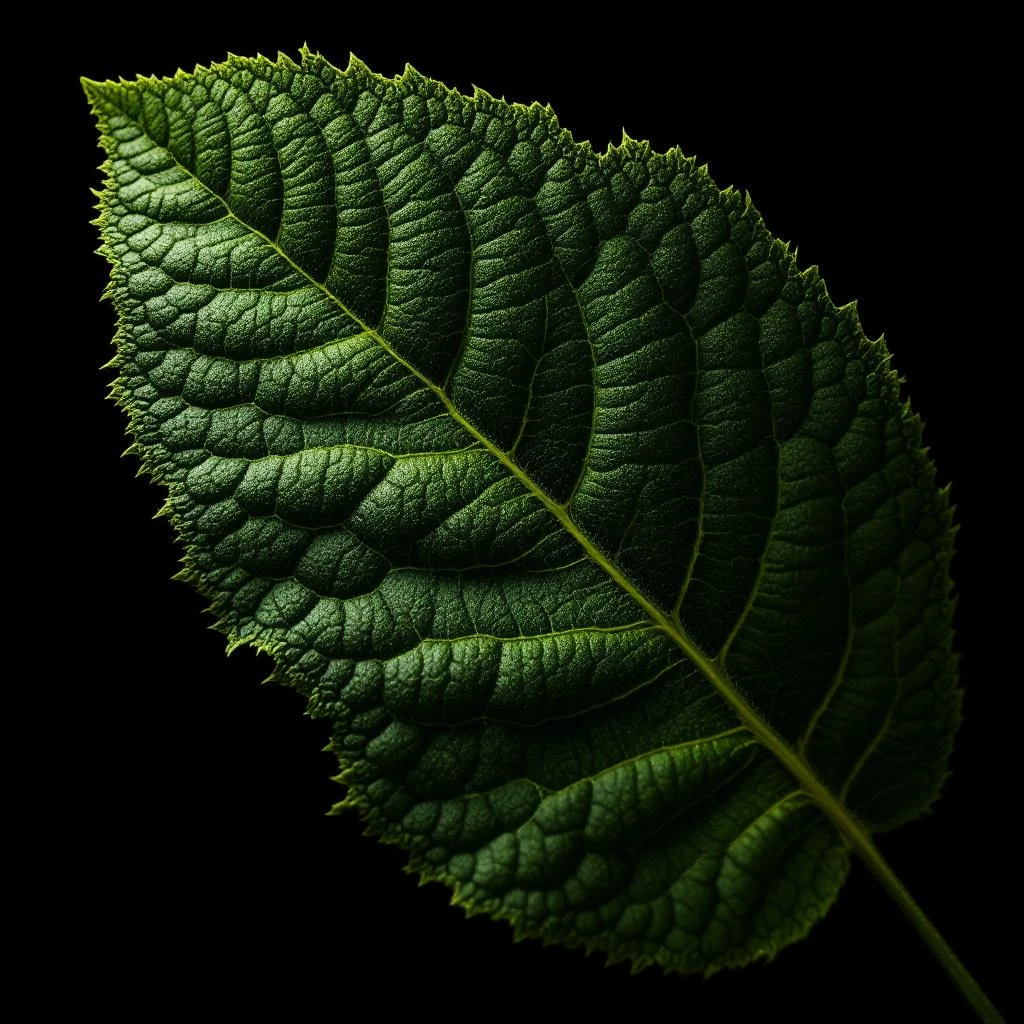
Chinotto Leaf
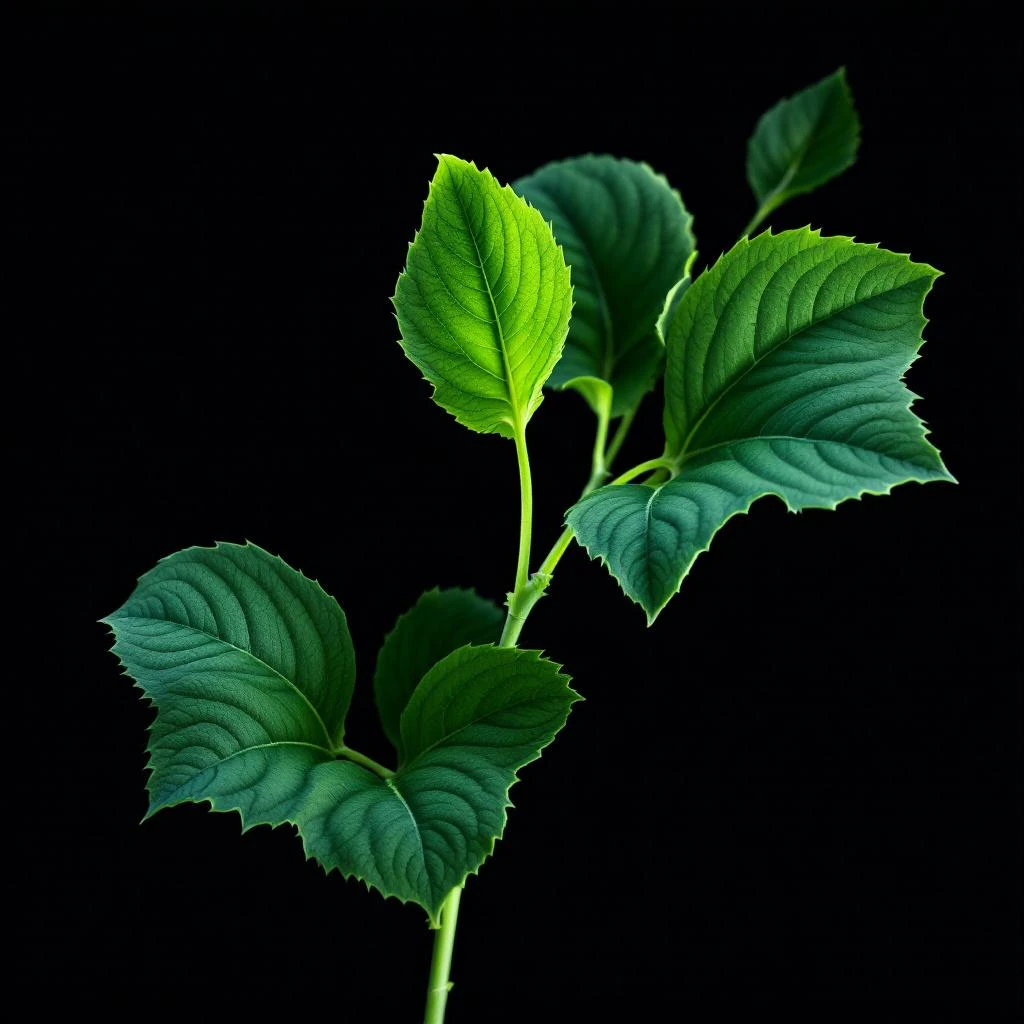
Chinotto leaf offers a crisp, green citrus character that bridges bright bergamot with subtle bitter orange, adding depth to modern fragrance blends.
Character
How it smells
Green citrus clarity from the Italian Riviera.
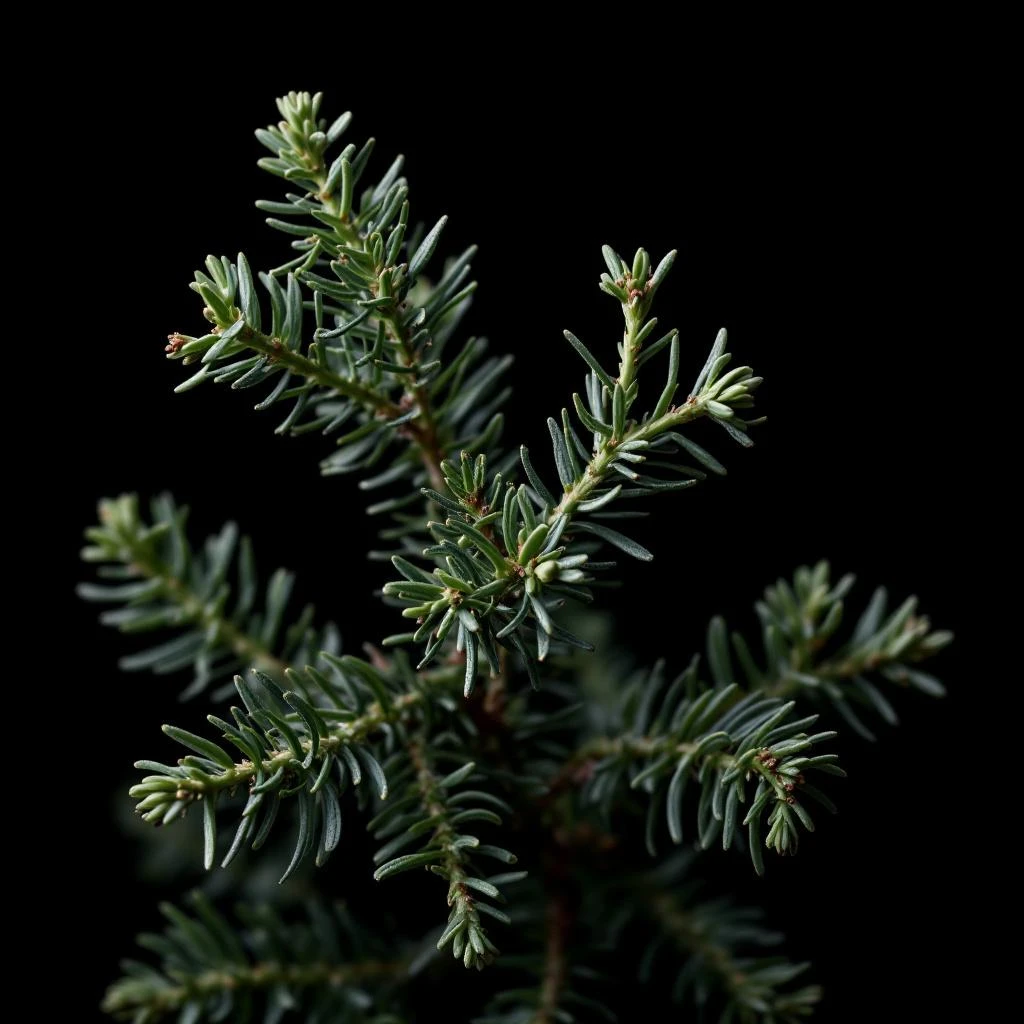
The Chinotto tree, originally from China, thrives on the Ligurian cliffs where sea breezes and mountain shadows create a uniquely aromatic leaf profile prized by perfumers.




Origin
Italy
More than three centuries ago, a Savonese sailor returned from China with a cutting of the bitter orange tree later named Chinotto. The plant adapted to the micro‑climate of Savona, where the proximity of the Apennine foothills to the Mediterranean sea created cool nights and salty breezes. By the 18th century, locals brewed Chinotto soda, a staple of Ligurian cafés.
Perfumers in Paris began extracting its leaf oil in the 1800s, attracted by its sharp yet rounded citrus note that differed from traditional bergamot. The oil entered classic colognes of the Belle Époque, and today it resurfaces in niche fragrances seeking a genuine Mediterranean green citrus nuance.
Wears it best
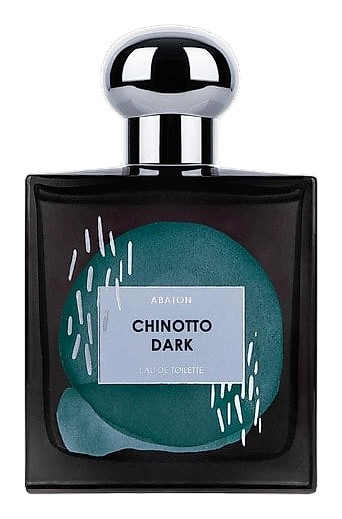
Fragrances featuring Chinotto Leaf
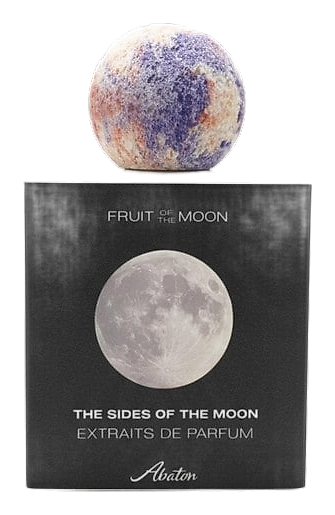
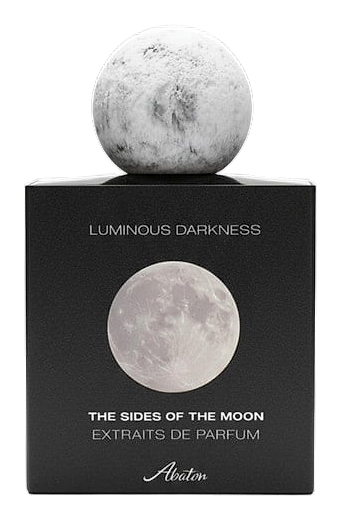
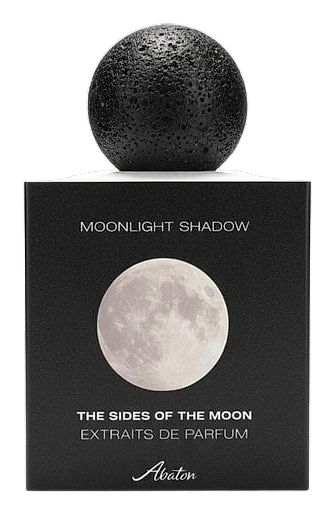
Brands
Brands known for Chinotto Leaf
Good to know
Questions, answered
The essentials on Chinotto Leaf in perfumery: how it smells, where it comes from, and how it behaves on skin.
What aroma does Chinotto leaf contribute to a perfume?
It adds a bright, green citrus scent with a hint of bitterness. The note combines bergamot‑like sparkle with a subtle orange‑leaf herbaceous edge, measured by a 2019 GC‑MS study that recorded 28 % limonene and 12 % citral in the oil.
Is Chinotto leaf oil safe for direct skin application?
It is safe when diluted to typical perfume concentrations. Regulatory data from the International Fragrance Association (IFRA) lists a maximum of 0.5 % in leave‑on products, reflecting its low sensitization risk.
How is Chinotto leaf oil extracted?
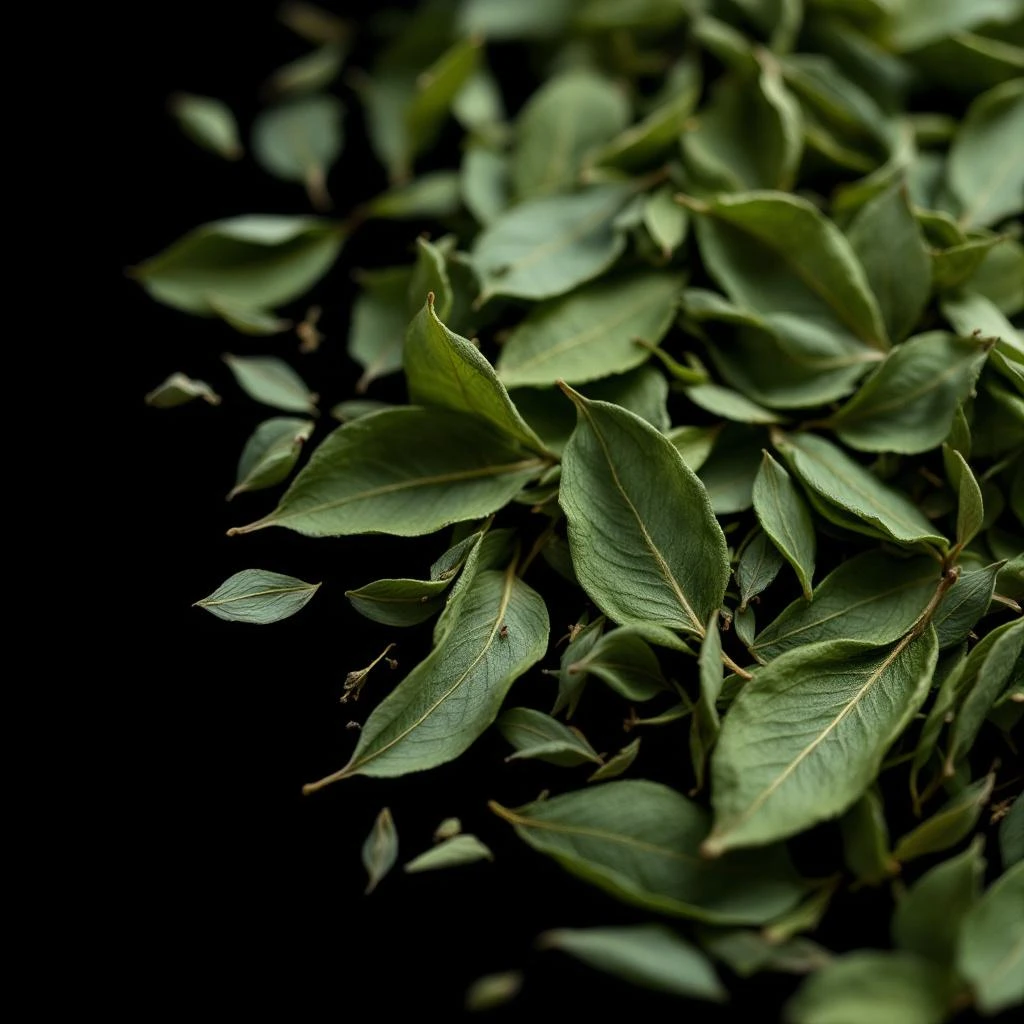
Steam distillation captures the volatile compounds from fresh leaves. In 2022, a Ligurian distillery reported a yield of 0.3 % oil by weight after a 3‑hour distillation cycle.
What are the primary chemical constituents of Chinotto leaf oil?
Limonene, citral, and linalool dominate the profile. A 2021 analytical report measured limonene at 28 %, citral at 12 %, and linalool at 9 % of the total composition.
Which fragrance families most often feature Chinotto leaf?
It appears frequently in citrus‑aquatic and aromatic‑herbal blends. A 2020 market survey showed 34 % of niche citrus fragrances listed Chinotto leaf among their top three ingredients.
How stable is Chinotto leaf oil over time?
The oil remains stable for up to three years when stored in dark glass at 15 °C. Stability tests conducted by a French laboratory in 2018 recorded less than 5 % loss of limonene after 36 months.
Is the production of Chinotto leaf oil environmentally sustainable?
Yes, growers practice selective pruning and organic fertilization. The 2021 sustainability audit of a Ligurian cooperative reported a 22 % reduction in water use compared with conventional citrus orchards.
Where is the primary source of Chinotto leaf oil today?
The Ligurian coast of Italy supplies most commercial oil. Export records from 2023 show that 68 % of global Chinotto leaf oil shipments originated from the province of Savona.