The Story
Why it exists.
The beginning
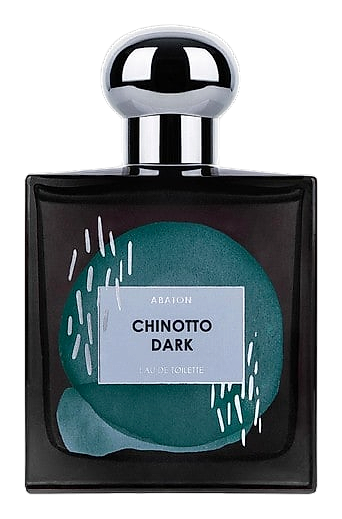
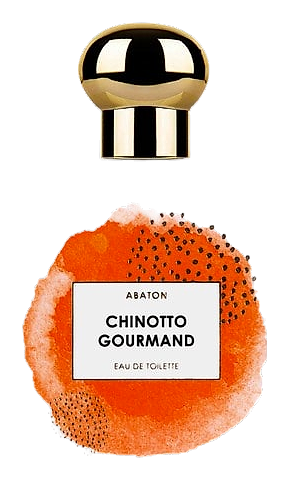
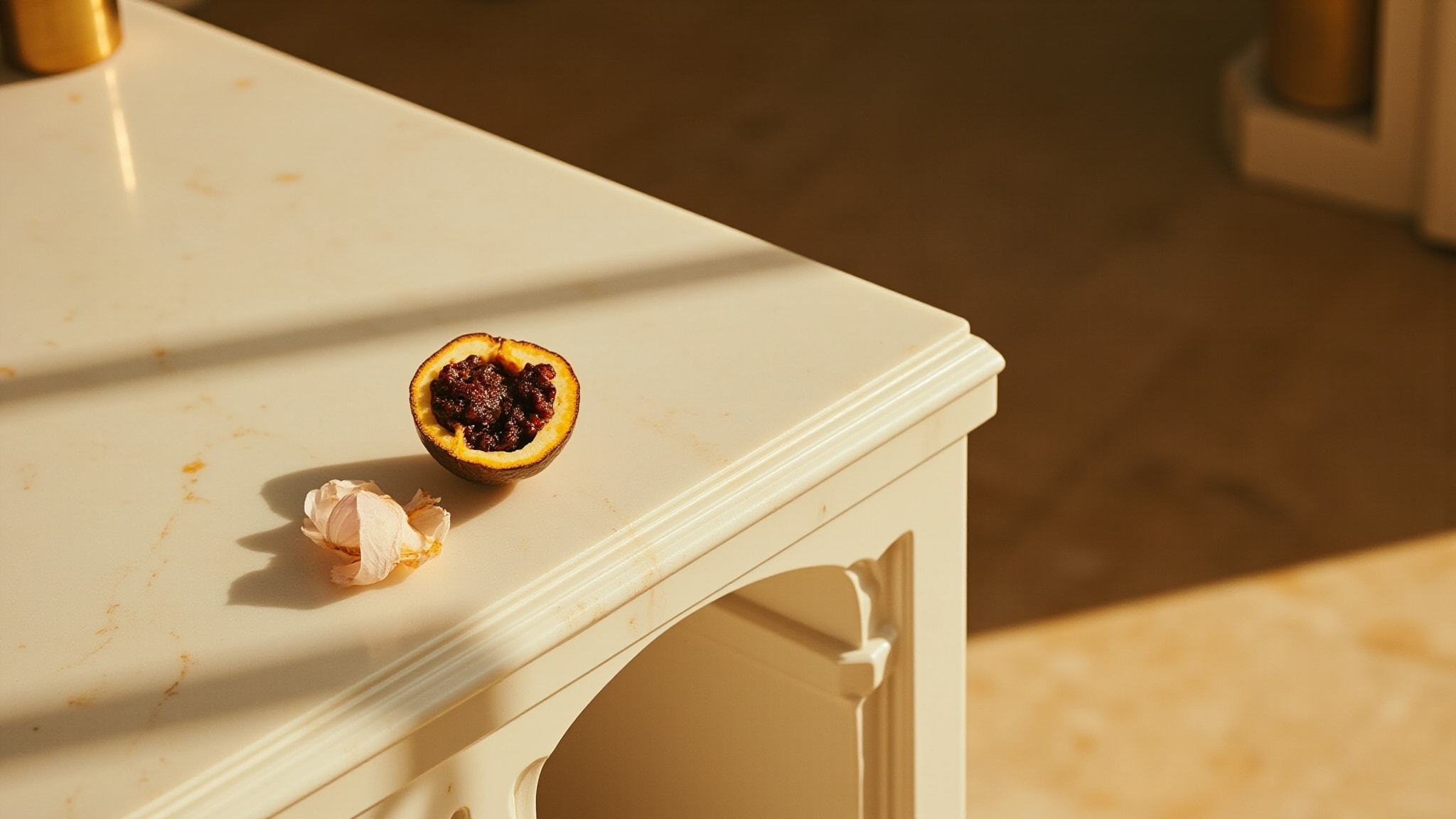
Chinotto Gourmand was the sweetest of the Abaton chinotto-focused releases, the perfumer's exploration of what happens when the fruit's sharp bitterness meets warm, edible sugar. It asked a simple question: what if chinotto tasted like caramel? Where other compositions around the same ingredient lean bright or go smoky and resinous, this one commits to the gourmand category, built from chinotto's specific brand of bitterness sweetened into something almost nostalgic. The fruit arrived in Savona centuries ago, carried from China by a sailor in the 1500s, and never really left. The town adopted it. Now Abaton translates that adopted fruit into a category it rarely gets to play in. Not a chocolate gourmand. Not a pastry gourmand.
Chinotto is a strange ingredient. Most citrus in fragrance reads bright, clean, obvious: bergamot, lemon, orange. Chinotto carries actual bitterness on top of its acidity, a quality that sits apart from the usual sweet citrus spectrum. That bitterness is precisely what makes it work in a gourmand context. Vanilla and caramel can collapse into one-note sweetness without an edge to push against, a flat sugary wall with no tension. Chinotto supplies that tension. The bitterness threads through the base like a wire holding the sugar in shape, keeping the composition alert.
The evolution
The opening belongs to the fruit. Chinotto arrives with the snap of a bitter orange peel cracked between fingers, sharp and slightly austere, with a citrus bite that sharpens rather than sparkles. There's an unexpected floral undertone behind it, the orange blossom arriving early to soften what could otherwise read as cold. The floral steps forward, powdery and recognizable, bridging the opening's sharpness into what comes next. The caramel and vanilla begin to surface underneath, not as a wave but as a slow bleed upward through the citrus. This is where Chinotto Gourmand earns its name: the fruit doesn't disappear, it sweetens. The bitterness softens into something honeyed, but never vanishes entirely. The base phase settles into an almost edible warmth.
Cultural impact
Chinotto Gourmand sits at the intersection of two fragrance worlds. Gourmand is a familiar category, defined by edible sweetness and dessert-adjacent notes. Citrus is its own well-trodden territory, built around bright, clean, obvious fruits. The two don't often collide with real conviction, because most citrus dissolves into generic brightness when placed against heavy sugar. Chinotto behaves differently. Its bitterness holds weight. When paired with caramel and vanilla, it doesn't vanish, it negotiates. The fruit pulls the sweetness toward something more grown-up, while the sugar softens the fruit's austere edges.