The Story
Why it exists.
The beginning
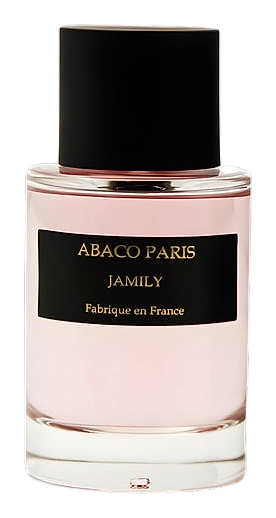
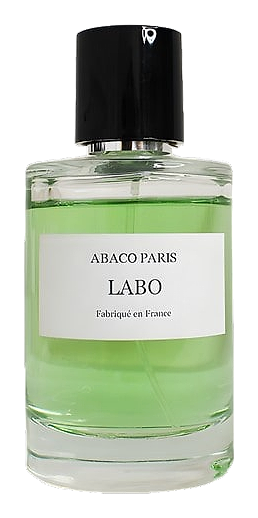
Labo was Abaco Paris's opening move, released in 2020 with perfumer Nejla Barbir behind the formula. The brand had just arrived on the French fragrance scene, founded by a Paris-based couple intent on a different kind of launch: small-batch, ingredient-led, restrained in everything except quality. Labo set the tone for what followed. It wasn't meant to chase trends or rewrite the rules of masculine perfumery. It was meant to show what a small house could do when it refused to hurry. Barbir, working within Abaco's minimalist framework, treated it as a study in how a few well-chosen materials could hold an entire composition together without filler.
What makes Labo's structure worth a second look is how it stacks texture against texture rather than layering sweetness on sweetness. Violet and cardamom up top don't shout. They taste each other out, the violet pulling powder-soft, the cardamom pulling aromatic and slightly metallic. By the time sandalwood, iris, and cedar settle into the heart, the composition has moved firmly into woody-powdery territory without ever feeling heavy. The base is where Labo earns its keep. Leather and papyrus together create a dry, almost architectural quality. Ambroxan adds the modern skin-warmth that makes the whole thing feel current, and white musk keeps it grounded.
The evolution
The first ten minutes on skin belong to cardamom. Bright, slightly green, with a metallic edge that suggests cold metal more than warm spice. Violet rides alongside it, not so much floral as cool and powdery, like the inside of a velvet jewelry box. The two together have a grainy, almost mineral quality that some wearers describe as mentholated, others as simply cool. As the opening fades, the composition tips into its woody register. Sandalwood arrives first, creamy without being sweet. Iris follows, reinforcing the powder, and cedar sharpens the edges back up. This phase lasts roughly two to three hours, and it's the Labo most people fall for. There's a balance here between softness and structure that doesn't resolve into either one. The leather announces itself around the four-hour mark. Papyrus joins it, dry and papery, and together they create something that smells less like a jacket and more like the corner of a bookshop. Ambroxan warms the whole thing up just enough to keep it from feeling academic. White musk underneath holds everything close to skin.
Cultural impact
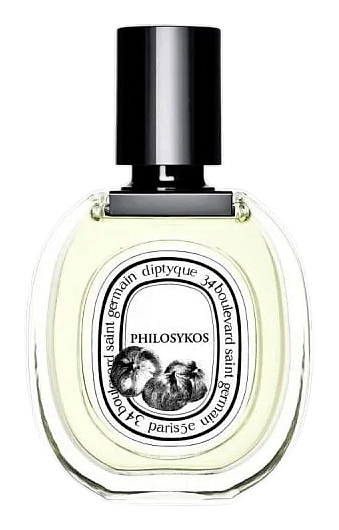
Labo sits comfortably in the conversation alongside woody iris compositions like Le Labo Santal 33 and Diptyque Philosykos. It borrows the structural logic from those references, the iris-and-cedar backbone, the dry, almost papery backbone, but cuts the sweetness and adds cardamom at the top for something cooler. It appeals to a wearer who already knows their way around the iris-leather family and wants something a little sharper, a little less obvious. Among enthusiasts who track the iris-leather space, it enjoys a loyal following and is respected for the restraint it shows in a category that often overplays the leather.
The House
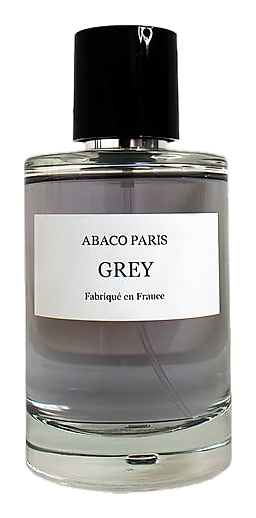
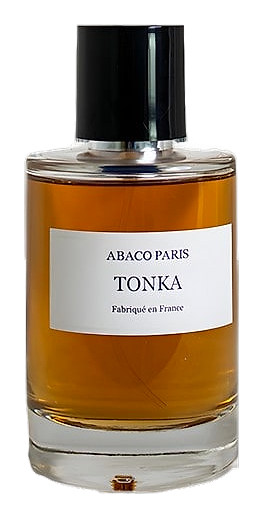
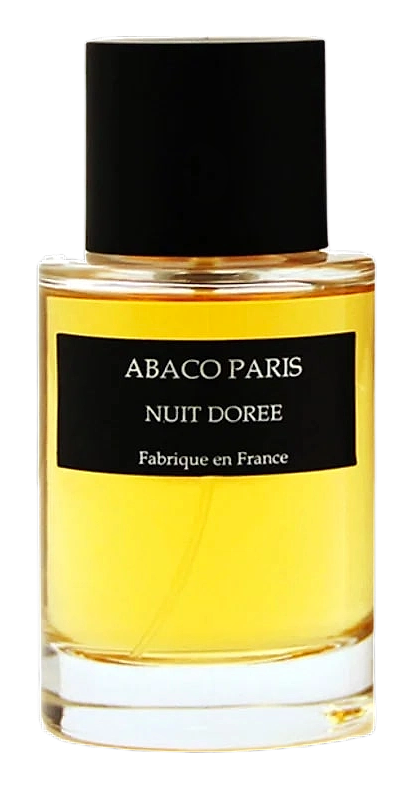
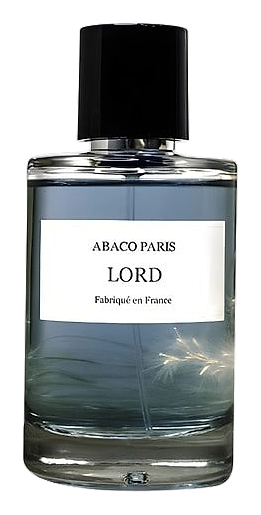
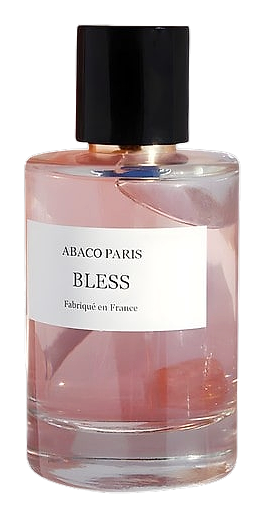
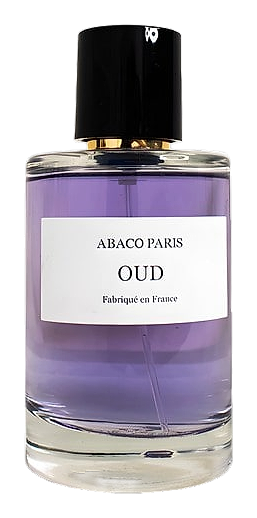
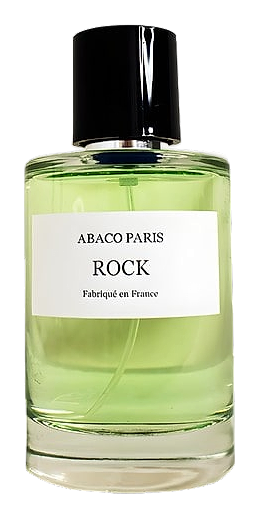
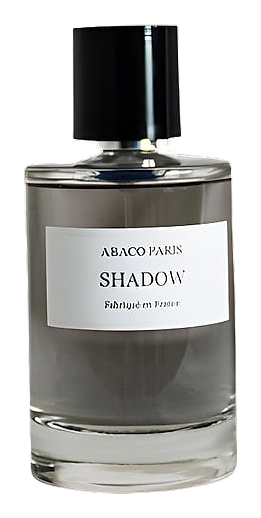
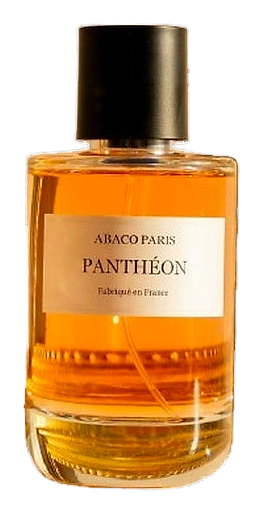
Abaco ParisAbaco Paris presents a curated line of contemporary fragrances that blend classic French perfume heritage with a modern sensibility. Launched in 2020, the house offers a compact portfolio that includes Labo, Shadow, Triomphe, Pantheon, Alma, Bless, Grey Dorée, Nuit Dorée, Lumière Bronze and Oud. Each scent arrives in a sleek bottle that balances understated elegance with a hint of opulence, inviting collectors to explore a focused yet diverse olfactory world.
The Creator
Nejla BarbirBarbir favors a structured approach, building compositions layer by layer. She often starts with a clear mineral or aromatic anchor, then weaves in floral or resinous heart notes that add depth.