The Story
Why it exists.
The beginning
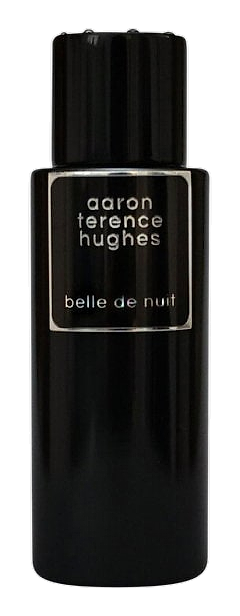
Belle de Nuit arrived in 2024 as one of Aaron Terence Hughes's more decadent compositions, a rose-centric extrait that leans fully into fruit and sugar without losing composure. The name translates directly as "beauty of the night," and the fragrance earns it. Brazilian sweet orange opens alongside rose absolute, giving the first impression a sun-warmed quality that feels at odds with the nocturnal name. Then the heart arrives loaded with peach, nectarine, raspberry, and vanilla-tonka. This is not a delicate English garden rose. This is a rose that ate the entire dessert table and showed up in velvet.
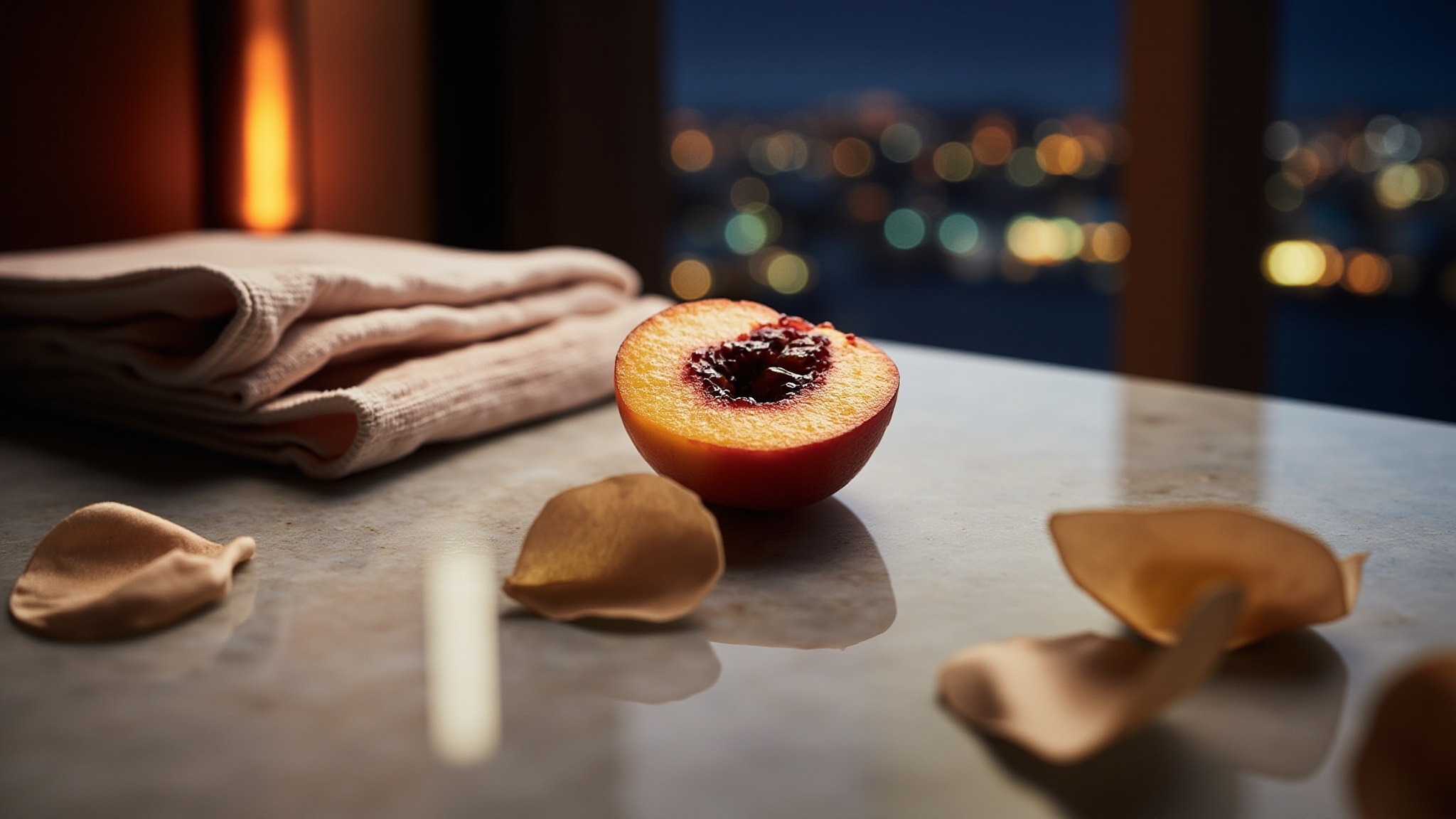
What separates Belle de Nuit from the crowded field of fruity-floral extraits is the ratio. Most rose fragrances treat fruit as a top-note gesture, brief and forgettable. Here, peach and nectarine sit in the heart alongside tonka and vanilla, meaning the sweetness doesn't just bookend the rose. It surrounds it. The fruit accord carries a fleshy, almost bruised ripeness, the kind that smells like a stone fruit split open on a warm afternoon rather than a candied confection.
The evolution
The opening is almost aggressively cheerful. Brazilian orange cuts bright against the dark, jammy weight of rose absolute. There's no slow build here, no tentative citrus overture. The fruit shows up fully formed, vivid and unapologetic, the kind of orange note that smells like zest squeezed directly over a bowl of ripe stone fruit. As the orange starts to recede, the peach-nectarine-raspberry axis takes over, warmed by tonka and vanilla that add a custard-like richness. This is where the fragrance is loudest, the sweetest point. The peach and nectarine read fleshy and sun-warmed, while the raspberry threads through with a tart brightness that keeps the sweetness from feeling cloying. Tonka and vanilla round the edges into something almost edible, like the filling of a crème brûlée scraped clean.
Cultural impact
Belle de Nuit fits squarely within Aaron Terence Hughes's catalogue of ingredient-forward extraits that appeal to fragrance enthusiasts tracking how the brand's range evolves over time. It occupies a distinctive space in the fruity-floral category by refusing to treat the rose as a backdrop and refusing to treat the fruit as decoration. The composition earns attention for its structural confidence, the way peach, nectarine, and tonka are given genuine weight in the heart rather than dismissed as supporting players.