
The Story
Why it exists.
The beginning
Boss Bastard landed in 2020 alongside the debut of Aaron Terence Hughes's own label. The name arrived without apology or explanation. Where other niche houses softened provocative titles behind marketing language, Boss Bastard stood exactly as named. The fragrance itself became the statement: an uncompromising blend that prioritizes bold presence over careful hedging, with a sharp opening that demands attention and a development that rewards patience. This was a fragrance built for the wearer who didn't need a brand to speak for them.
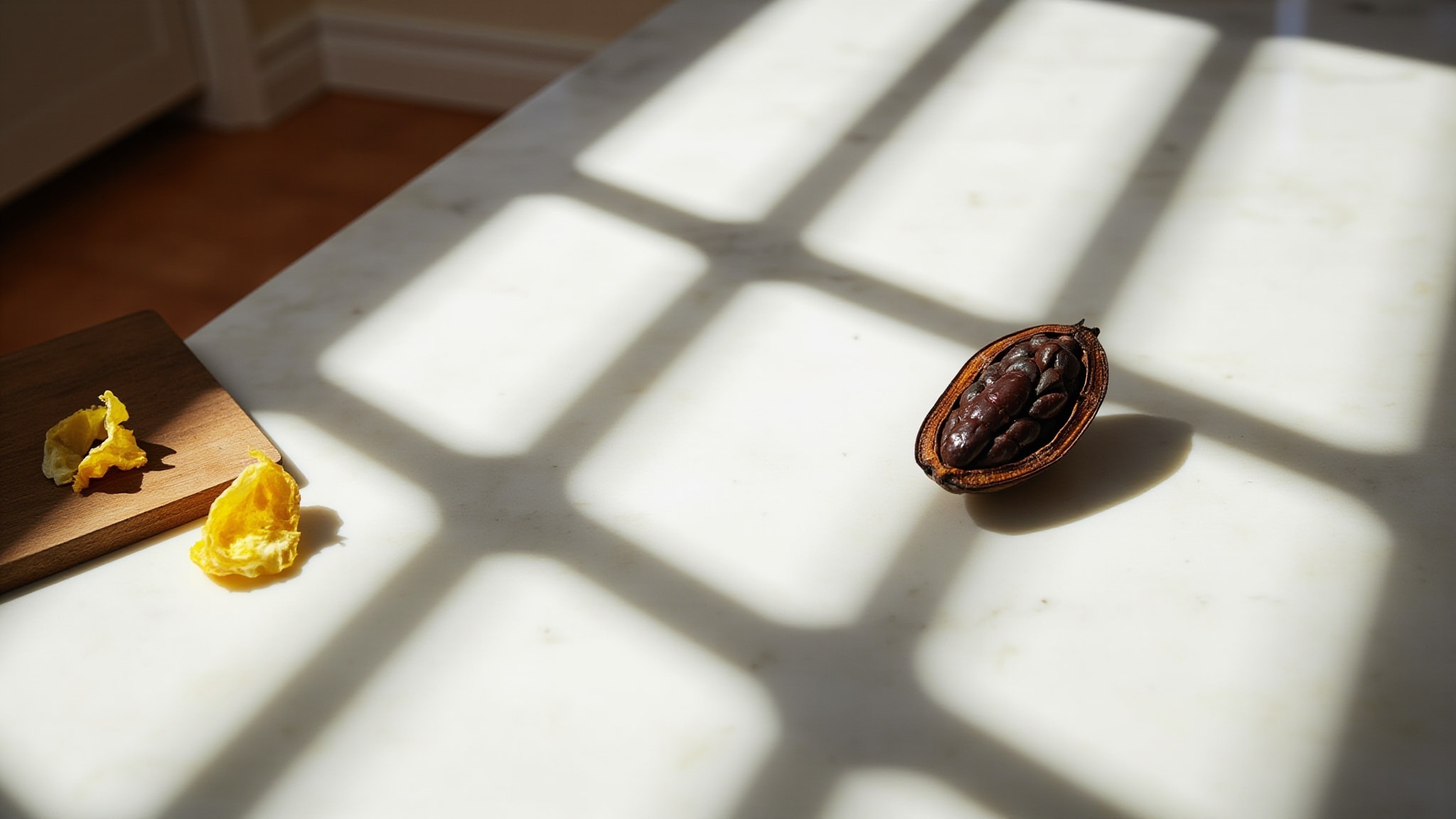
The heart of Boss Bastard lives in its tobacco-cocoa axis. Honeyed tobacco, sweet, resinous, warm, doesn't compete with cocoa so much as court it. The cedar and vetiver beneath keep both honest, preventing the composition from sliding into pure gourmand territory. It's structured in a way that rewards patience. The citrus top fades fast; what remains is the conversation starter.
The evolution
The citrus opens bright and commanding. Mandarin, bergamot, lemon, maybe ninety seconds of polished clarity before the tobacco arrives. Cedar follows, then amber, and suddenly the sweetness has weight. The drydown is where Boss Bastard earns its name. Cacao settles into the base alongside sandalwood and musk, warm and dark and close. The next morning, there's still something there, not quite a ghost, more a memory of the night before.
Cultural impact
Boss Bastard found its audience among collectors who appreciate fragrance as personal statement rather than inherited status. Boss Bastard sits alongside Reflection Man and Naxos in the woody-tobacco canon, though its citrus edge keeps it distinct from those heavier comparables.