The Story
Why it exists.
The beginning
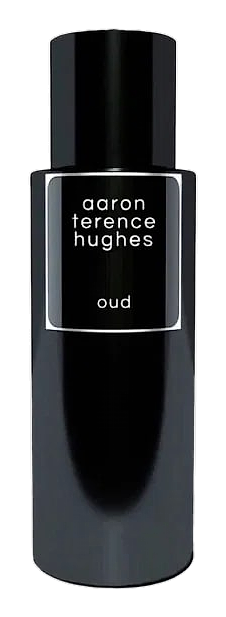
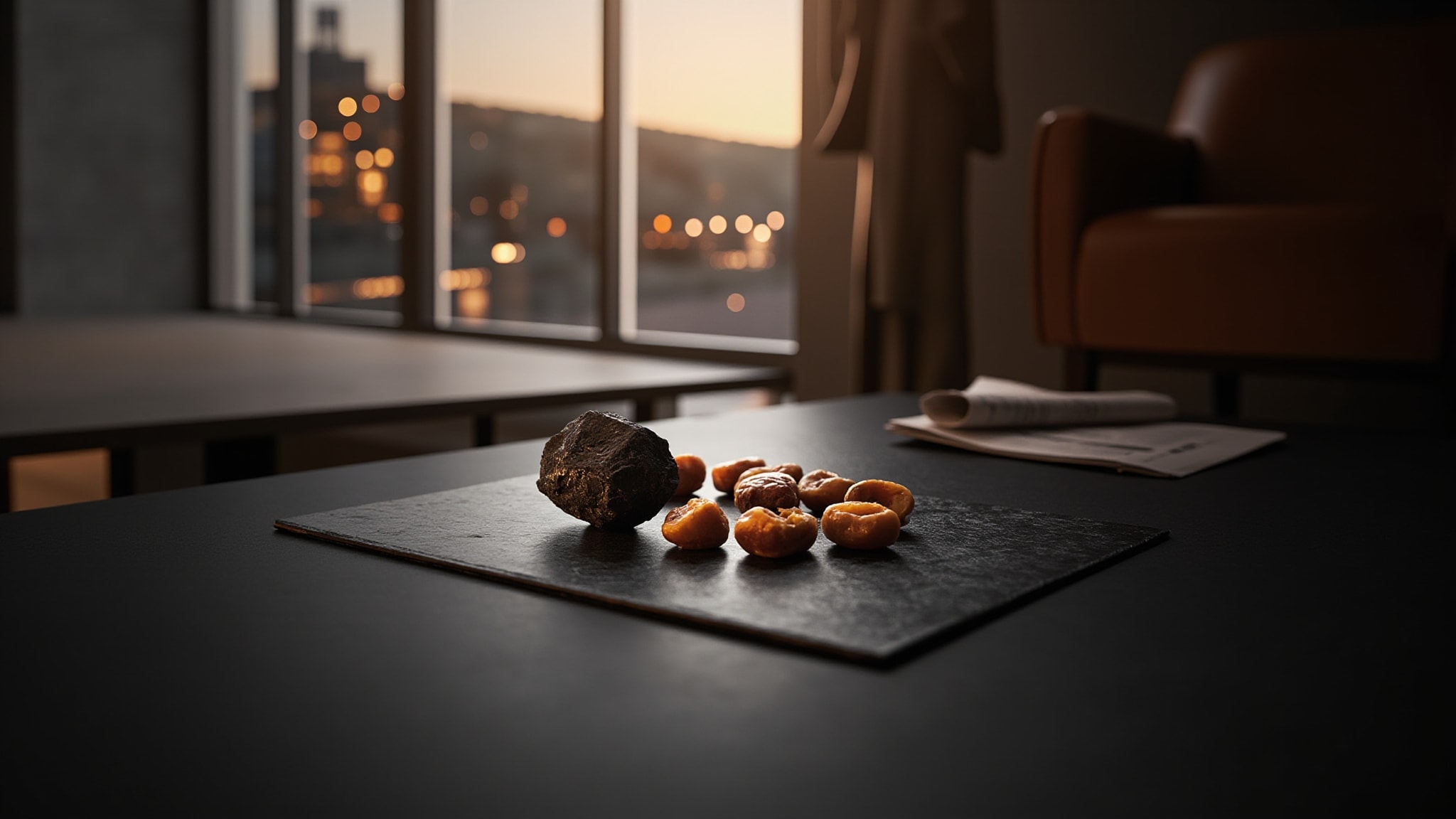
Aaron Terence Hughes released Oud in 2020, a composition that placed oud at the center of the conversation rather than treating it as an accessory or accent. This is a fragrance built around the resin itself, asking the material to carry the full weight of the structure rather than hiding behind a more conventional architecture. The formula draws on two distinct oud origins, layers them with fruit and sweetness, and stretches that tension to see how far it can go without losing composure. Rose and sweet orange open the door, lifting and bright. Raspberry, date, and amber move in to make it interesting, adding a dense fruit warmth that softens the sharper edges. Seven base notes do the rest, anchoring everything in resin, wood, and low warmth.
What separates this oud from much of the crowded genre is the dual sourcing. Thai and Burmese oud appear side by side, and blending them adds depth that single-origin compositions struggle to reach. The raspberry and date then soften those edges into something approaching edible, while benzoin and ambergris coat the whole thing in a low-slung warmth that ties the whole composition together. It's oud architecture, not oud costume. Each origin brings its own character to the blend, and the composition treats both as essential rather than interchangeable.
The evolution
The opening is deceptive. Rose and sweet orange carry it for the first stretch, bright and almost candied, the kind of opening that makes you think you've grabbed the wrong bottle entirely. Then the fruit arrives in earnest. Raspberry and date push through, jam-like and slightly sticky, dusted with that warm amber haze that pulls everything closer together. Around the ninety-minute mark, the oud surfaces. Not aggressively, not the barnyard blast some compositions aim for. It rises like smoke under a door, wood resinous and faintly animal, pulling the fruit down with it into something darker and more grounded. The drydown stretches on with confidence, carrying through an entire day and lingering into the next. Thai and Burmese oud settle into the skin alongside patchouli and sandalwood, while benzoin and vanilla keep everything from going cold.
Cultural impact
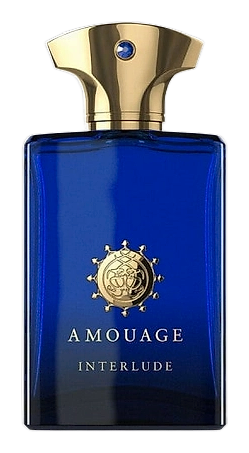
Oud draws comparisons to several established niche compositions, with reviewers frequently noting its resonance with Amouage Interlude Man and its similarity to Frédéric Malle's The Moon. Both references place the fragrance in conversation with serious oud work that has defined the genre. The fruit-driven character gives it an accessibility that sets it apart from heavier, more uncompromising oud releases, while the dual Thai and Burmese base anchors it firmly in territory that experienced oud wearers recognize and respect.