The Story
Why it exists.
The beginning
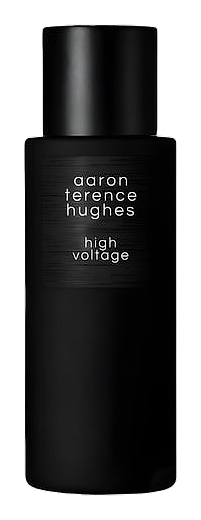
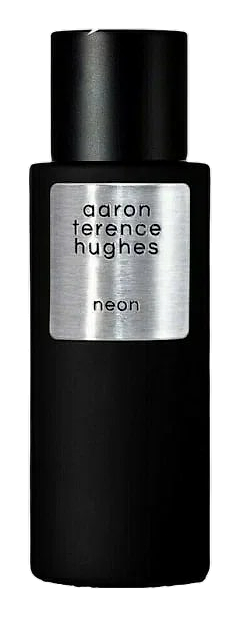
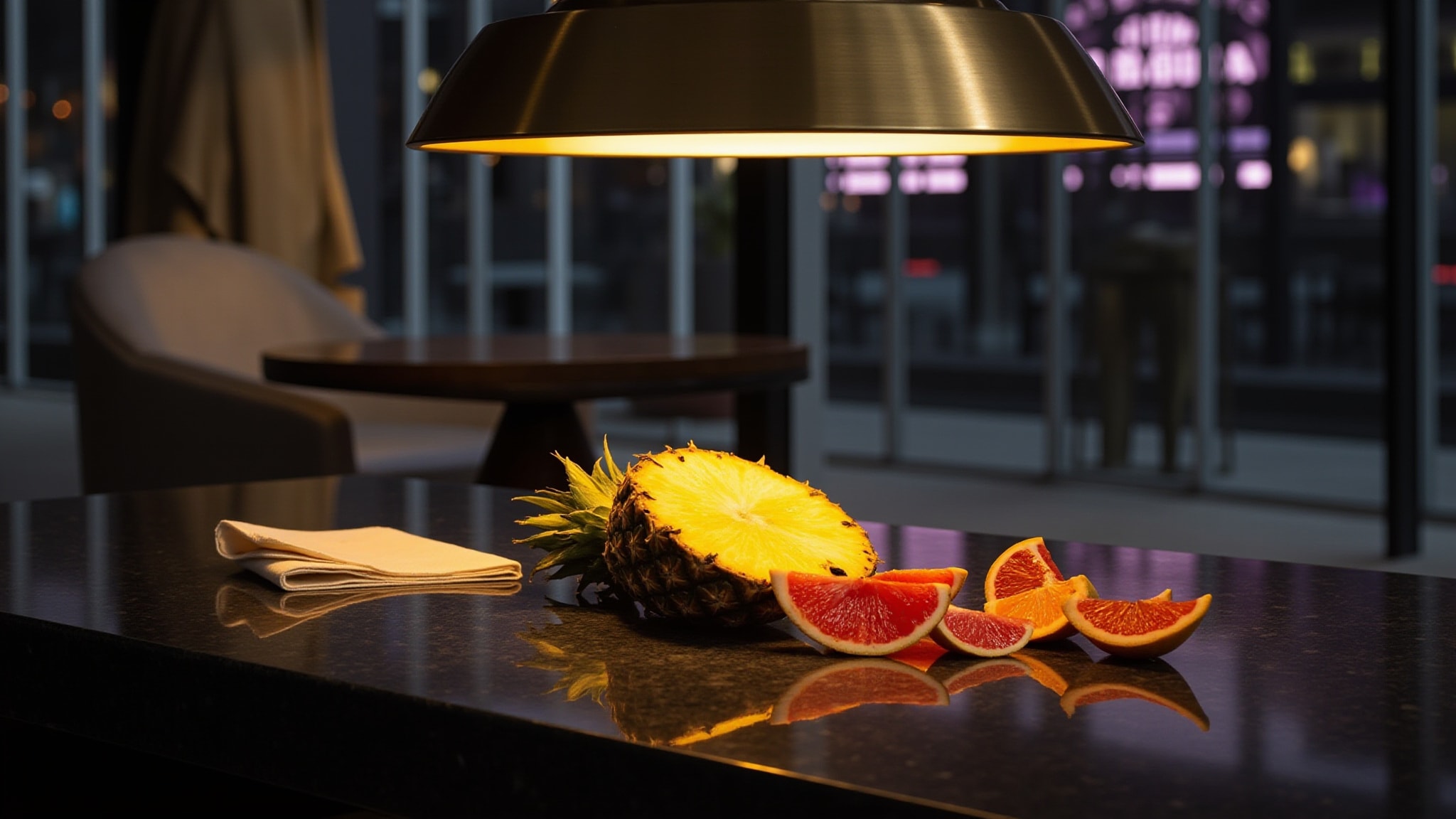
Neon arrived in 2020, one of the earliest statements from Aaron Terence Hughes. The composition reflects a particular kind of contrast: an aggressive, almost synthetic-seeming blast of fruit and citrus in the opening, then a pull toward something more grounded, more human, once the brightness fades. Hughes named this one for the visual sensation of brightness cutting through dark surroundings, the way artificial light reads more vivid when everything around it is quiet. The opening is built on grapefruit, pineapple, mandarin, and lemon, four notes stacked to create something that hits immediately and without apology. There's no soft entrance, no gentle ramp. It simply arrives, full volume, and dares you to keep up.
What's interesting here is the structure. The top reads like an energy drink or a club scent, bright pineapple and grapefruit stacked with mandarin and lemon. But the base isn't the typical approach for something this fruity up top. Sandalwood and white musk give it a dry, slightly mineral warmth that keeps the whole thing from collapsing into candy. Ambroxan in the heart adds that salty-skin ambergris edge that makes the citrus feel less like a beverage and more like an atmosphere. The way these elements interact is what separates Neon from the typical citrus release.
The evolution
The first fifteen minutes are a controlled riot. Grapefruit, pineapple, mandarin, and lemon all hit at once, sharp and almost sugary, with that specific synthetic brightness that Ambroxan adds to anything it touches. It smells like the first ten seconds of stepping outside at night in a warm city, neon everywhere, the air electric. The fruit is loud but not cloying, more like cold juice than syrup. By the thirty-minute mark the citrus hasn't left, but it's no longer alone. The woody heart starts pressing through, warm and dry, and the Ambroxan does its work: that salty, mineral, almost skin-like quality that makes the scent feel less like a fragrance and more like a temperature. The pineapple sweetness gets sanded down. What was aggressive becomes present. From there the composition keeps evolving in a way that feels deliberate.
Cultural impact
Neon wears as the scent of someone who picked the bright option on purpose. It sits in the same conversation as Bvlgari Tygar, with a citrus-forward structure that fans of sharp, fresh fragrances tend to gravitate toward. The pineapple and grapefruit combination gives it a recognizable signature, and the Ambroxan backbone means the citrus doesn't just vanish after an hour. For collectors, Neon has become a reference point in the conversation around affordable, extrait-strength citrus releases.