The Story
Why it exists.
The beginning
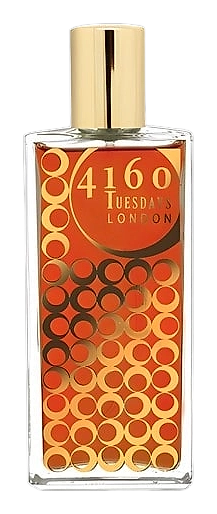
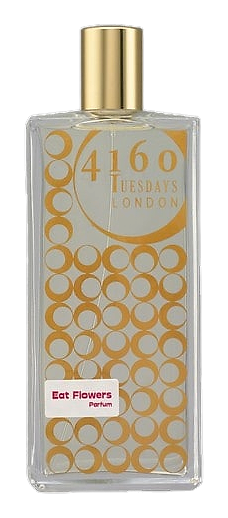
Eat Flowers almost didn't happen. The story goes that Sarah McCartney at 4160 Tuesdays created two separate floral blends for a client, good ones that she didn't want to set aside. So she combined them, adjusted the formula, and suddenly a client commission became a full fragrance. The name came from elsewhere entirely: a 1960s Dutch poster that McCartney found at a flea market, now pinned to the studio wall. Flowers, eating, a particular mid-century graphic energy, it all cohere into something that feels both spontaneous and intentional, a fragrance that emerged from happenstance but carries a distinct point of view about what floral can be.
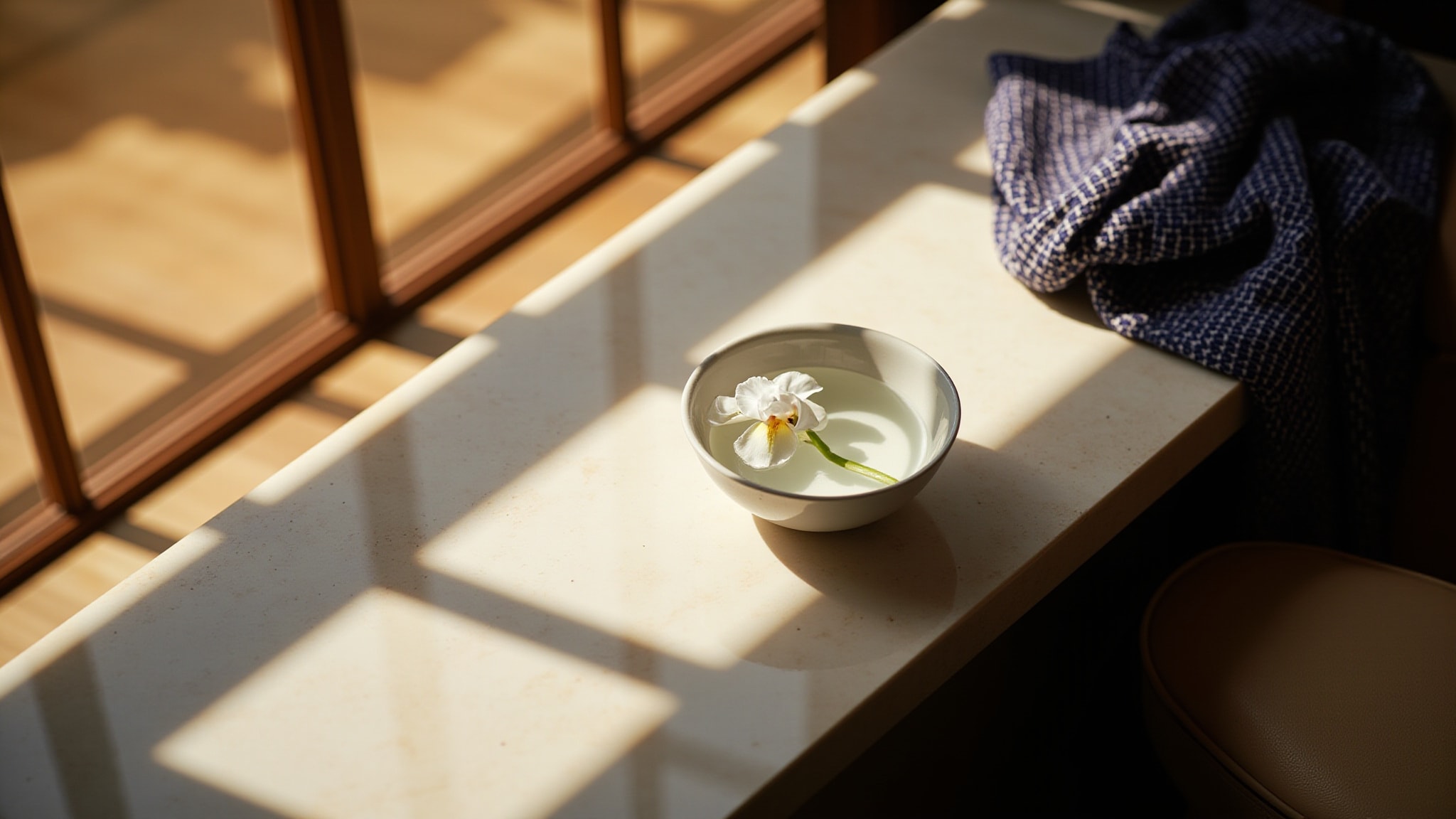
What makes the iris-and-flower combination work here is the restraint in the base. Cabreuva wood and musks don't overpower, they hold the florals up like a frame, keeping the composition from becoming a soupy petal pile. Iris carries the drydown; it always does in this fragrance. The result smells less like a bouquet and more like standing in a sunlit garden with your face in something.
The evolution
The opening hits bright, citrus blossoms and neroli give you that almost-tangible sweetness of flowers at a market stall in early morning. The lilies and rose arrive to deepen the floral structure, and the iris asserts itself with that distinctive powdery-green edge that makes iris divisive and beloved in equal measure. As the florals thin, the woody base emerges: blond wood, cabreuva, a whisper of musk. The iris continues to interplay with the wood notes, creating a dynamic tension between powdery softness and woody warmth. On clothing, this scent develops complexity and persists, transforming from its initial bright opening into something more intimate and sustained.
Cultural impact
Eat Flowers arrived as part of a wave of indie fragrances exploring floral in personal ways. Rather than drama, this one keeps its voice moderate, a quality that has made it a quiet staple for people who want flowers without a declaration. The studio ethos shows: approachable, curious, made for wearing, not just collecting. It occupies a particular space in the indie landscape, floral without preciousness, niche without intimidation.