The Story
Why it exists.
The beginning
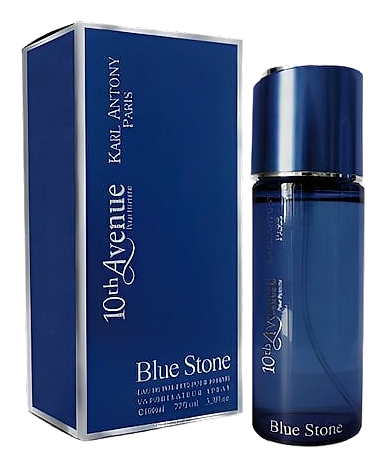
Launched in 2012, Blue Stone arrives at a moment when the house was deep into its catalog-building phase. Where earlier releases leaned into straightforward citrus or warm spice, this one aimed for the in-between: fresh enough for daytime, grounded enough for evening. The name is deliberate, stone suggests something solid and mineral underneath the bright opening, a promise of depth that arrives as the citrus fades. Jean Jacques Vivier, who handles marketing for the house, positioned it as an entry point for men curious about oriental territory without committing to it fully.
What makes Blue Stone unusual is the anise. It's not common in men's fragrances outside fougère territory, and here it doesn't announce itself, it works as a bridge between the bright citrus opening and the warmer base. The combination of Artemisia and geranium in the heart keeps things from getting too sweet or heavy. Meanwhile, the base leans into labdanum, a resin that adds a slightly medicinal, balsamic quality to the patchouli and sandalwood. It's a composition that rewards attention: the first spray is familiar, but the mid-development reveals decisions most mass-market fragrances wouldn't bother making.
The evolution
Bergamot and mandarin follow, softening the edges slightly. It's not jarring, but it's noticeable, a faint black licorice quality that most people either love or find strange. The vetiver and musk add a dusty, slightly animalic undertone that keeps it from being too clean.
Cultural impact
Blue Stone sits in an interesting space, fresh enough for daytime, warm enough for evening. It's the kind of fragrance that works for men who want to smell interesting without making a statement. In the 10th Avenue catalog, it represents the house's accessible approach to oriental territory, offering complexity without intimidation.