Wild Raspberry
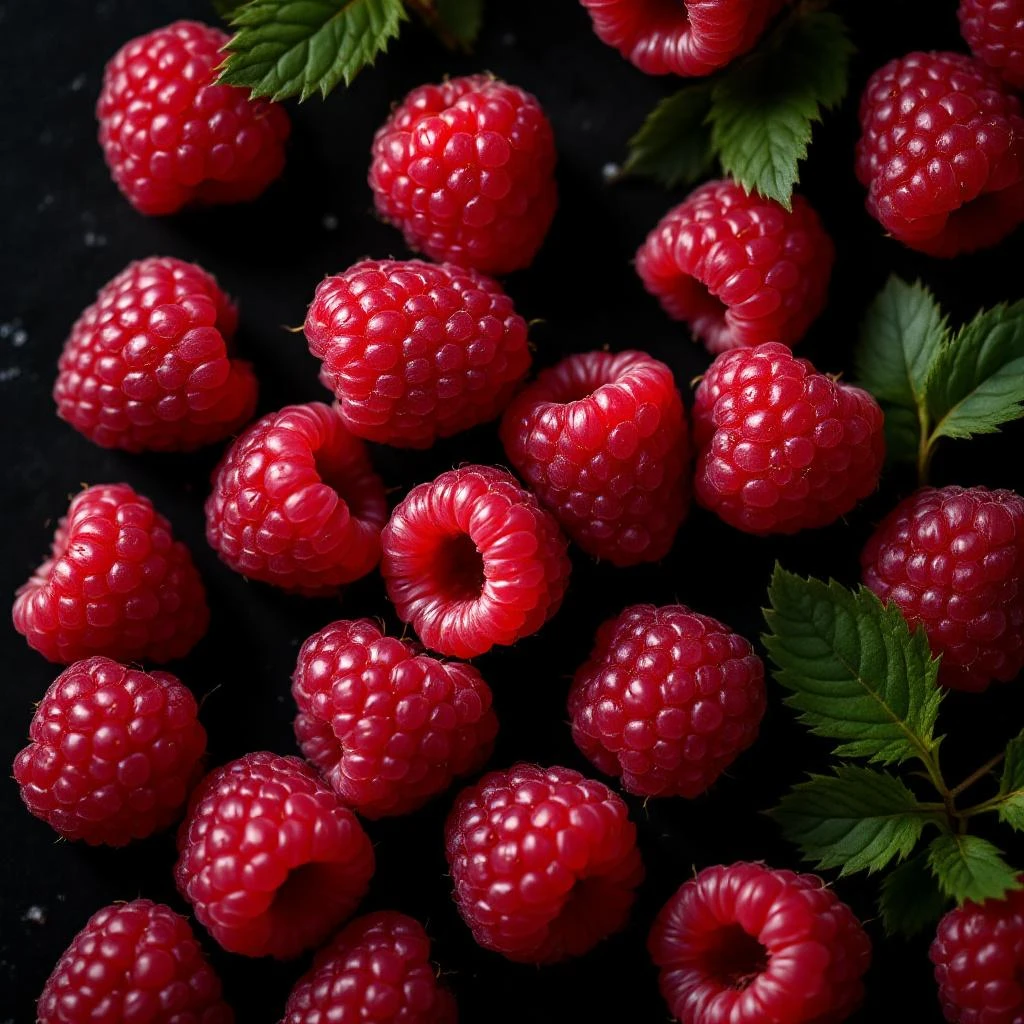
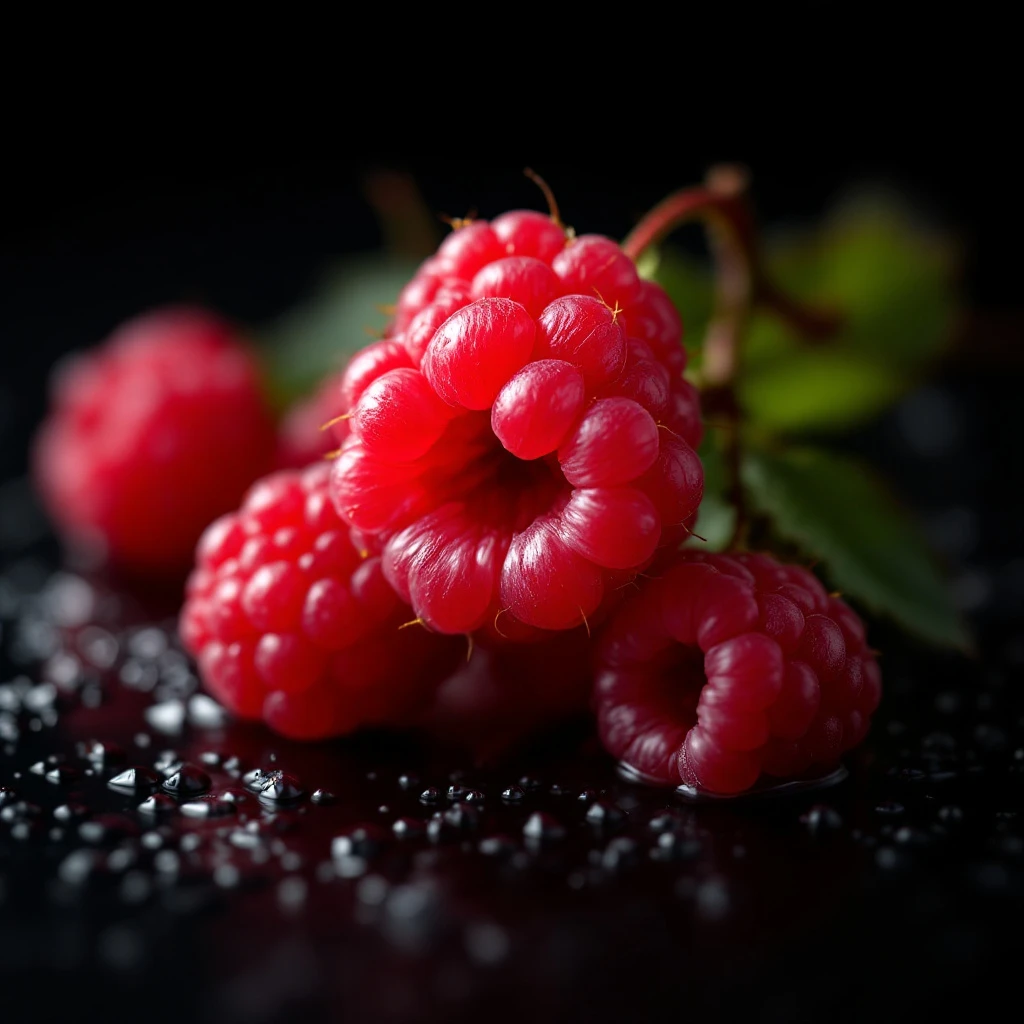
Sharp, jammy, and sun-warmed. Wild raspberry (Rubus idaeus) brings a tart-sweet sparkle to fragrances, conjuring red fruit glistening in a forest clearing.
Character
How it smells
Tart, jammy, sun-warmed.
Wild raspberries contain only trace amounts of the compound that actually smells like raspberry. Most raspberry ketone used in perfumery is now synthesized from wood pulp byproducts.



Origin
Europe (wild); global cultivation
Raspberries (Rubus idaeus) have grown wild across Europe and northern Asia for millennia, and their fruit appears in folk traditions from herbal wines to folk medicines. Archaeological evidence suggests humans have been gathering them since prehistoric times. The name 'idaeus' traces to Mount Ida, the Greek mountain associated with the nymph Ida, who nursed the infant Zeus on wild berries.
By the 19th century, raspberries had spread to gardens across Europe and North America, becoming a cultivated crop. Their use in perfumery, however, remained limited because fresh fruit resists conventional distillation. The breakthrough came in the early 1900s, when raspberry ketone was isolated as the character-impact molecule of the fruit.
Commercial synthesis followed, and the molecule became a workhorse of mid-20th-century fruity florals and gourmand fragrances. Today raspberry notes appear everywhere from fine perfumery to body care, almost always anchored by this single synthetic compound.
Wears it best
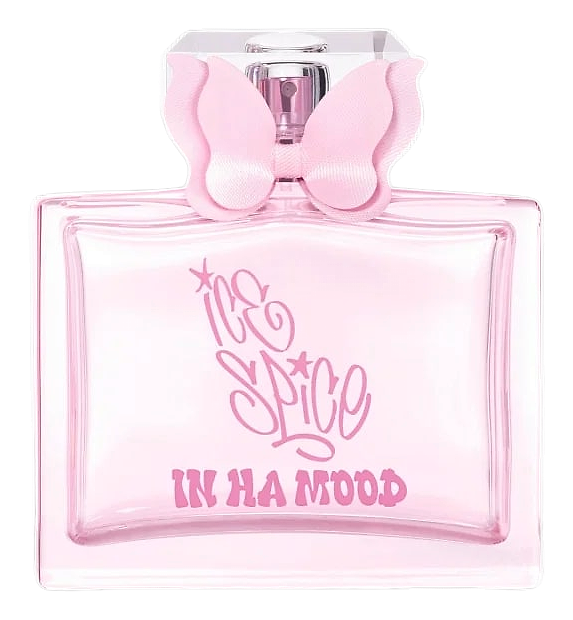
Fragrances featuring Wild Raspberry
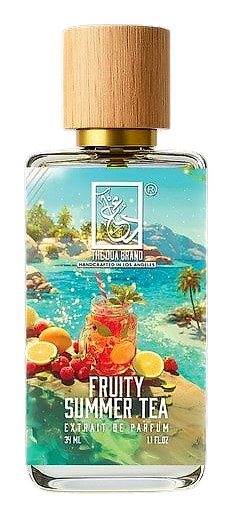
Brands
Brands known for Wild Raspberry
Good to know
Questions, answered
The essentials on Wild Raspberry in perfumery: how it smells, where it comes from, and how it behaves on skin.
What does wild raspberry smell like in perfume?
Wild raspberry in perfume reads as a sharp, jammy sweetness balanced by subtle tartness and faint green-leaf freshness. It is brighter and more complex than the candied berry accords used in gourmand fragrances.
Is raspberry ketone natural or synthetic?
Both exist. Raspberry ketone occurs naturally in raspberries at very low concentrations, but most perfume-grade material is synthesized. The synthetic version is identical in structure and was first isolated from raspberries in the early 20th century.
Why is natural raspberry extract so rare in perfumery?
Natural raspberry absolute is rare because fresh raspberries spoil within hours of harvest, making large-scale extraction difficult and expensive. Most perfumers therefore rely on synthetic raspberry ketone for consistency and cost.
What fragrance families use raspberry notes?
Raspberry notes appear most often in fruity florals, gourmand compositions, and modern chypres. They pair particularly well with rose, vanilla, sandalwood, and white musk.
When was raspberry ketone first used in perfumery?
Raspberry ketone was isolated as the fruit's key aroma molecule in the early 1900s. Commercial synthesis followed shortly after, and the compound became widely adopted in mid-20th-century fruity fragrances.
Do wild and cultivated raspberries smell different?
Wild raspberries tend to have a sharper, more complex aroma with greater green and seedy undertones. Cultivated varieties often read sweeter and more uniform, with less of the forest-floor character.
What notes pair well with raspberry?
Raspberry pairs especially well with rose for a classic fruity floral, with vanilla and sandalwood for a creamy gourmand, and with patchouli for a modern chypre structure.
Is raspberry ketone sustainable?
Raspberry ketone can be produced from renewable wood pulp precursors, making it more sustainable than raspberry fruit farming, which requires large land areas and quick post-harvest processing.