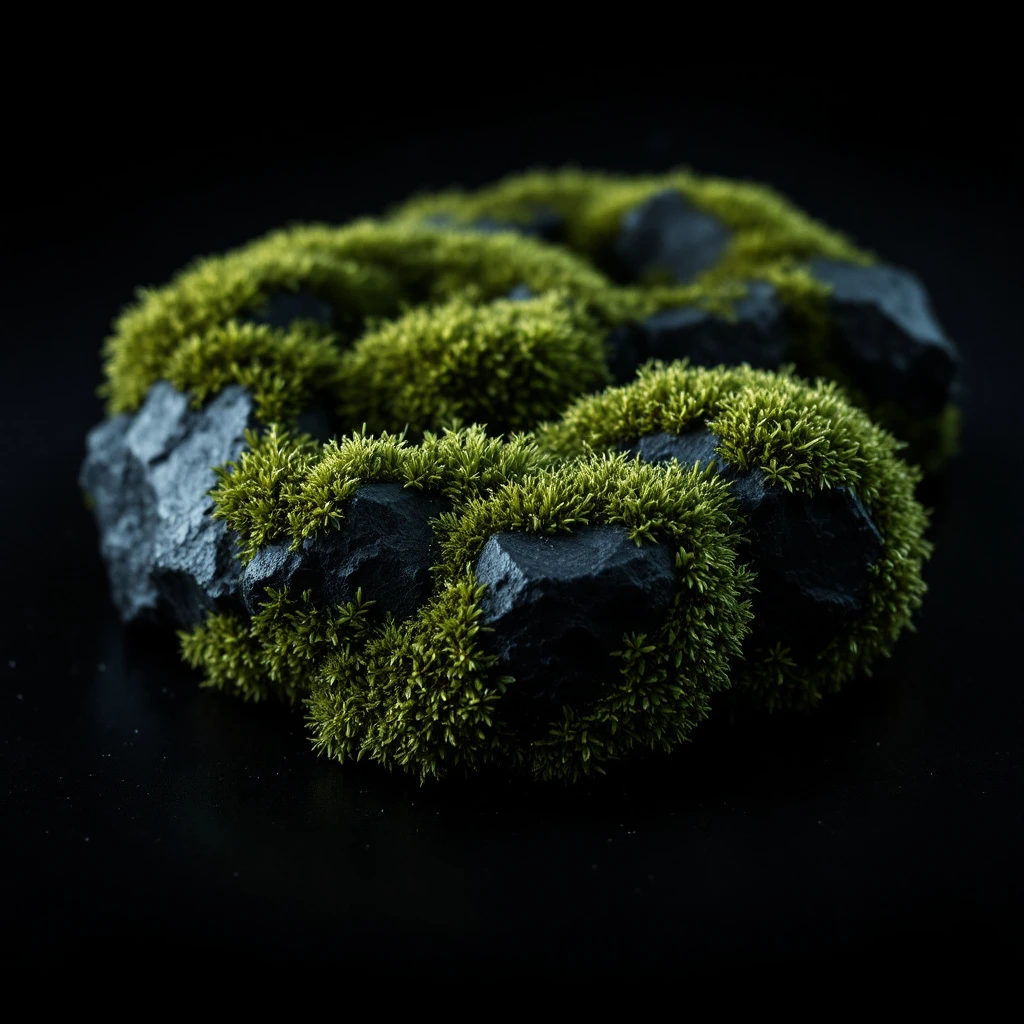
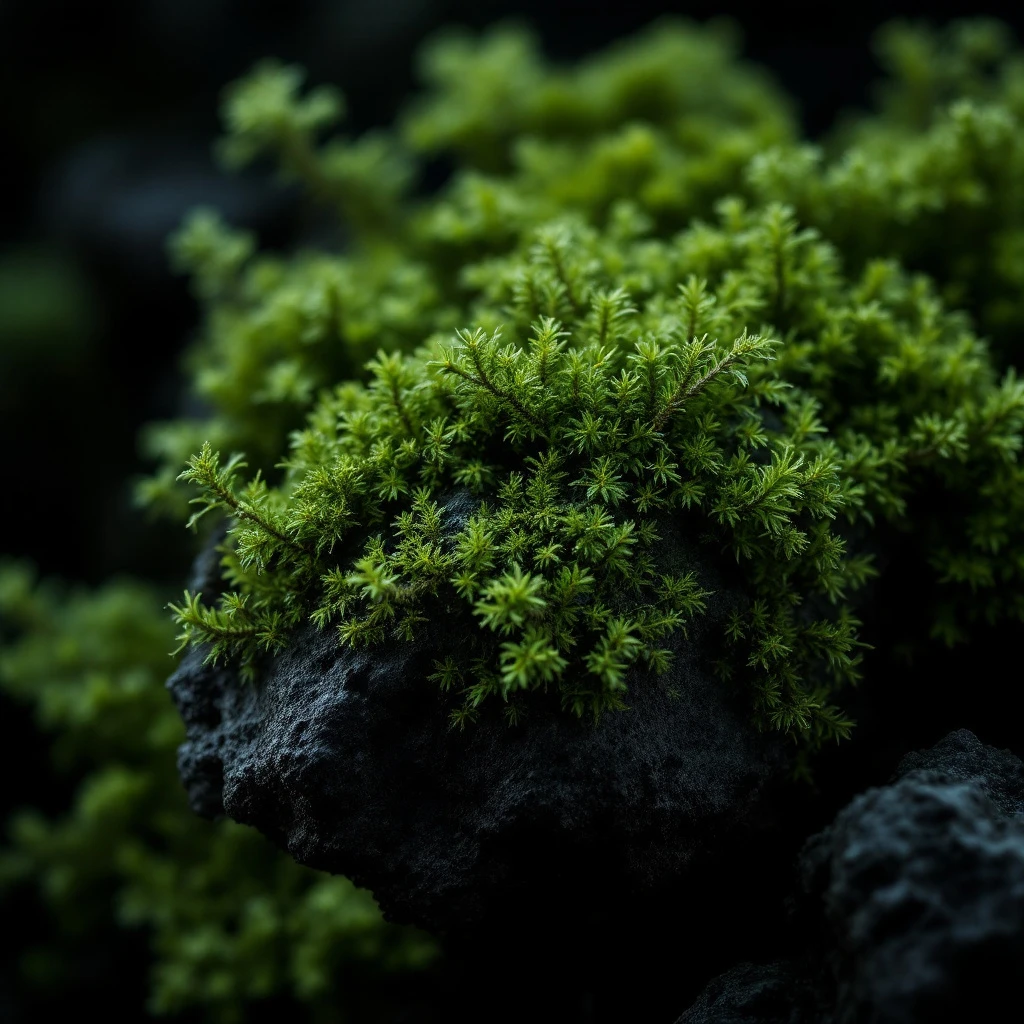
White Oakmoss
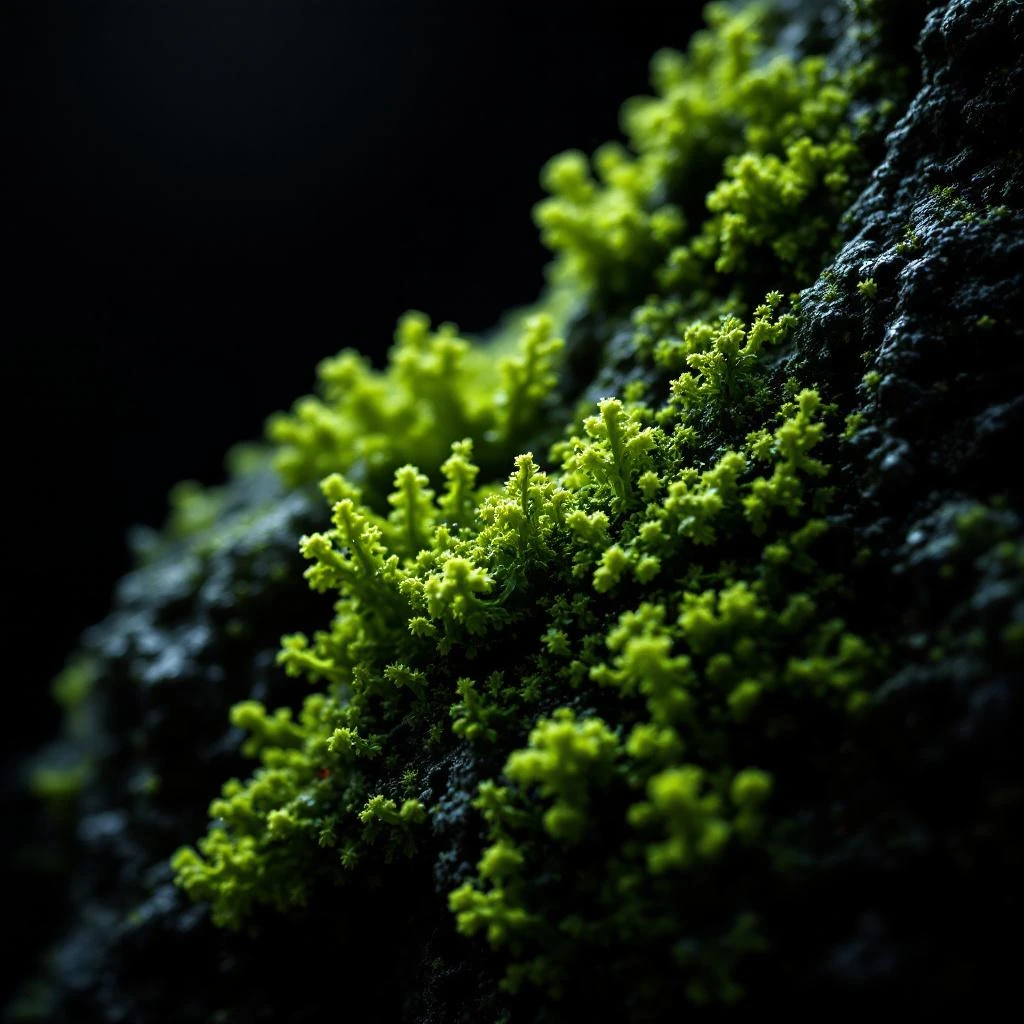
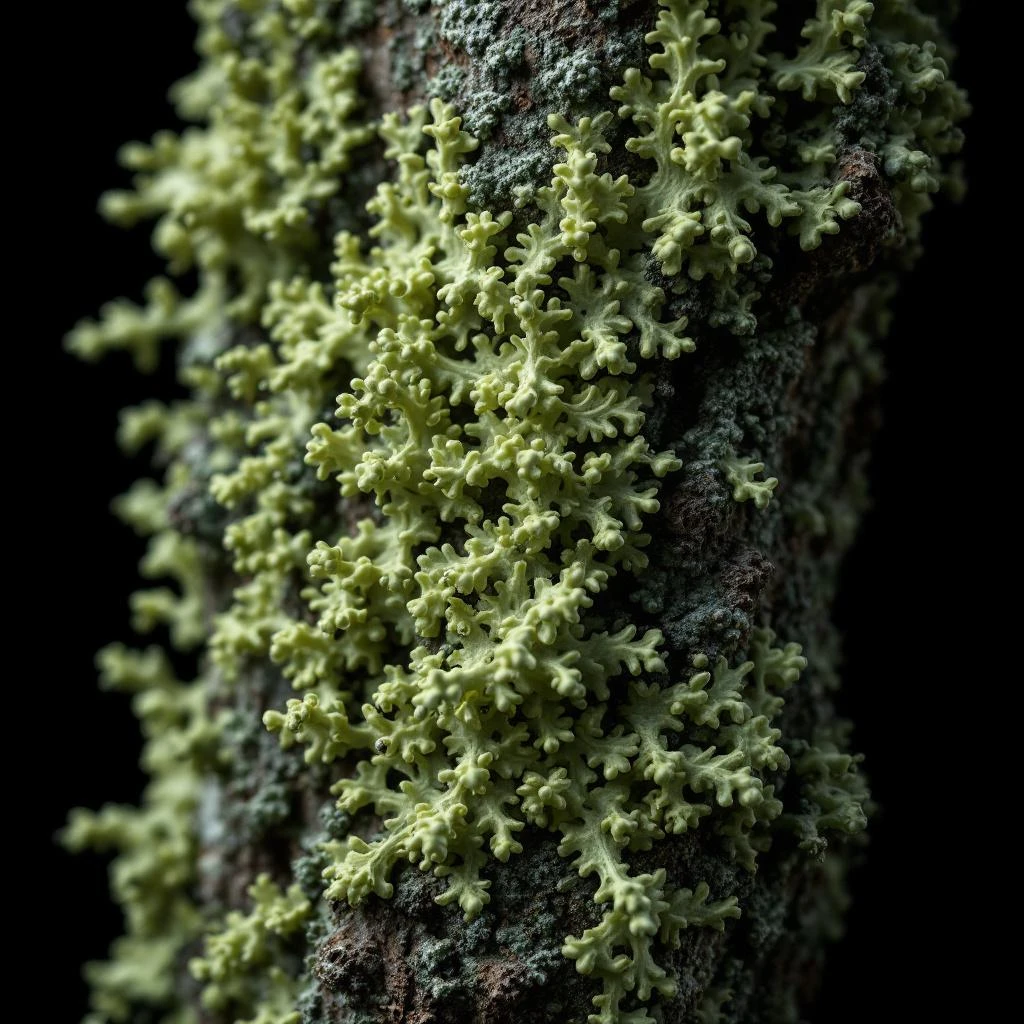
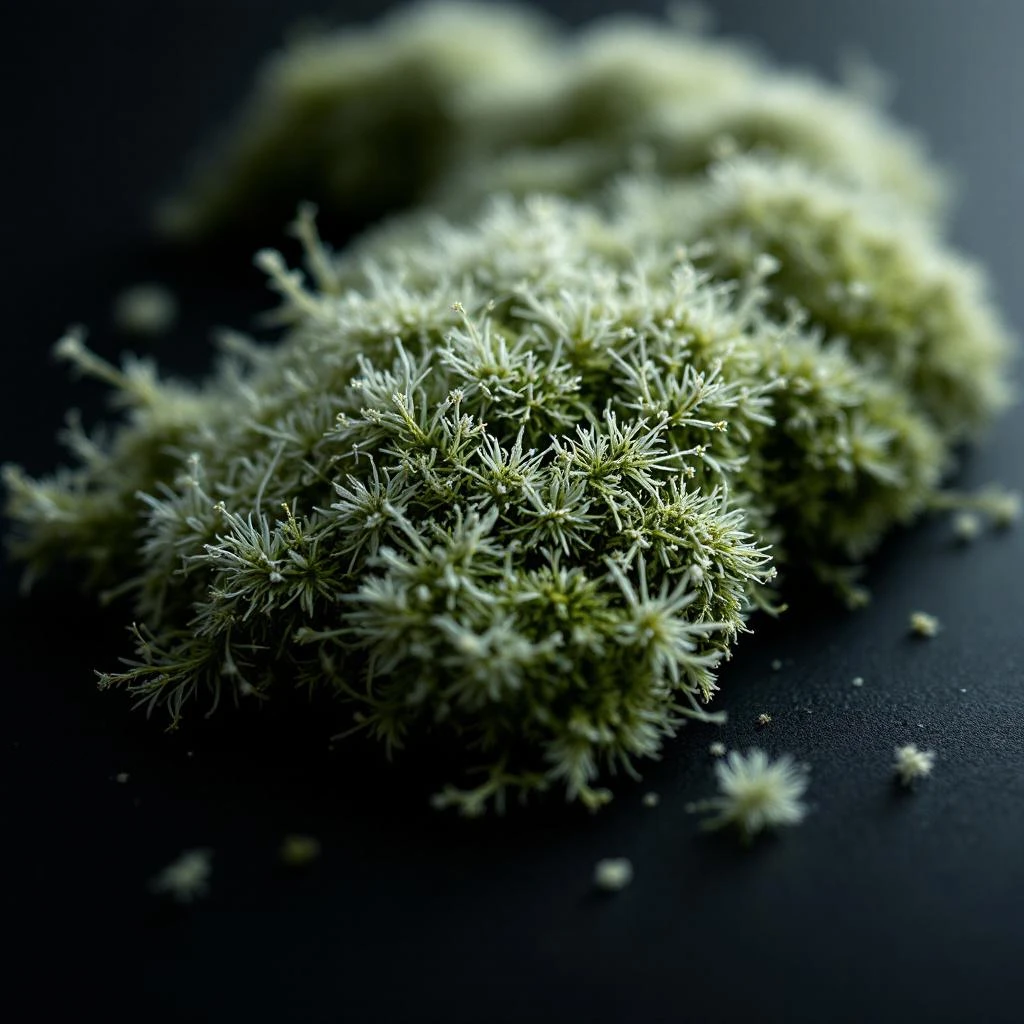
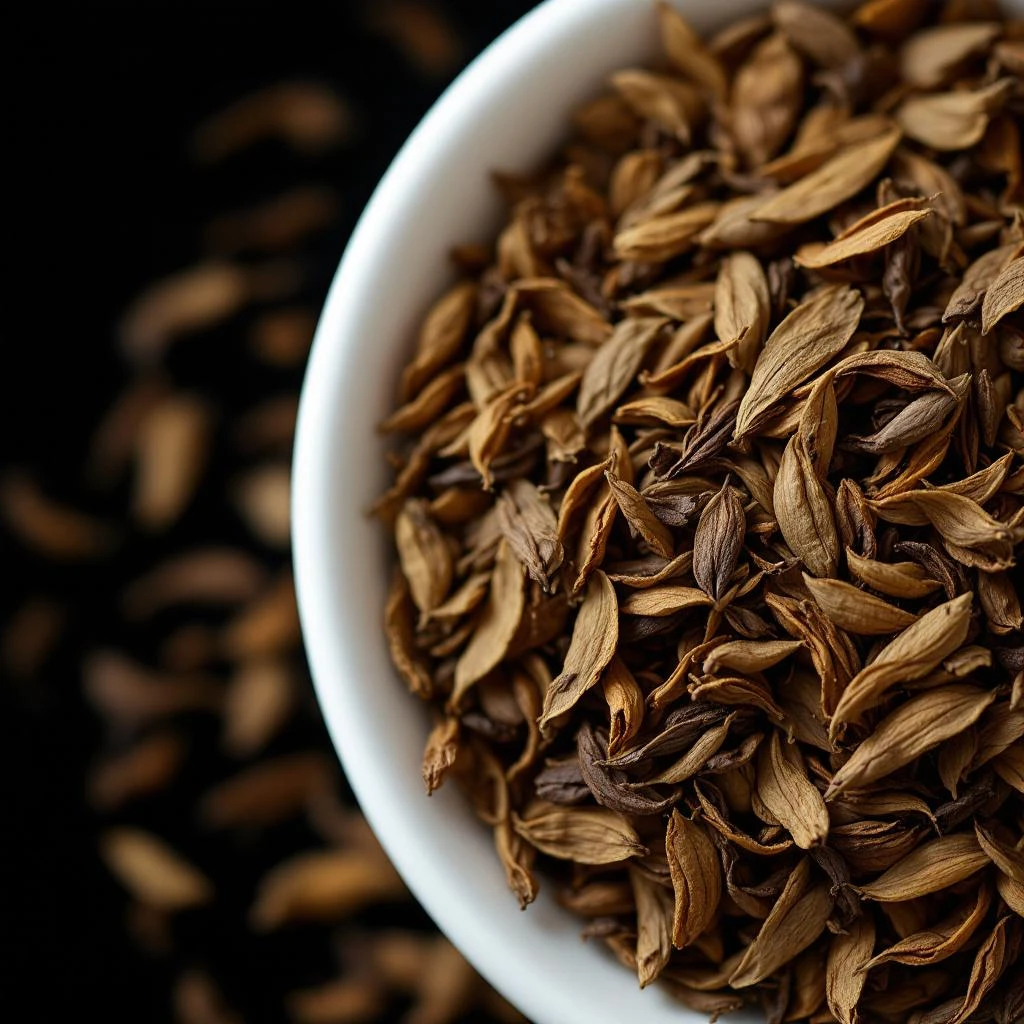
White Oakmoss is a lichen, not a moss. Its dense, earthy aroma forms the soul of fougère fragrances and remains one of perfumery's most complex natural ingredients.
Character
How it smells
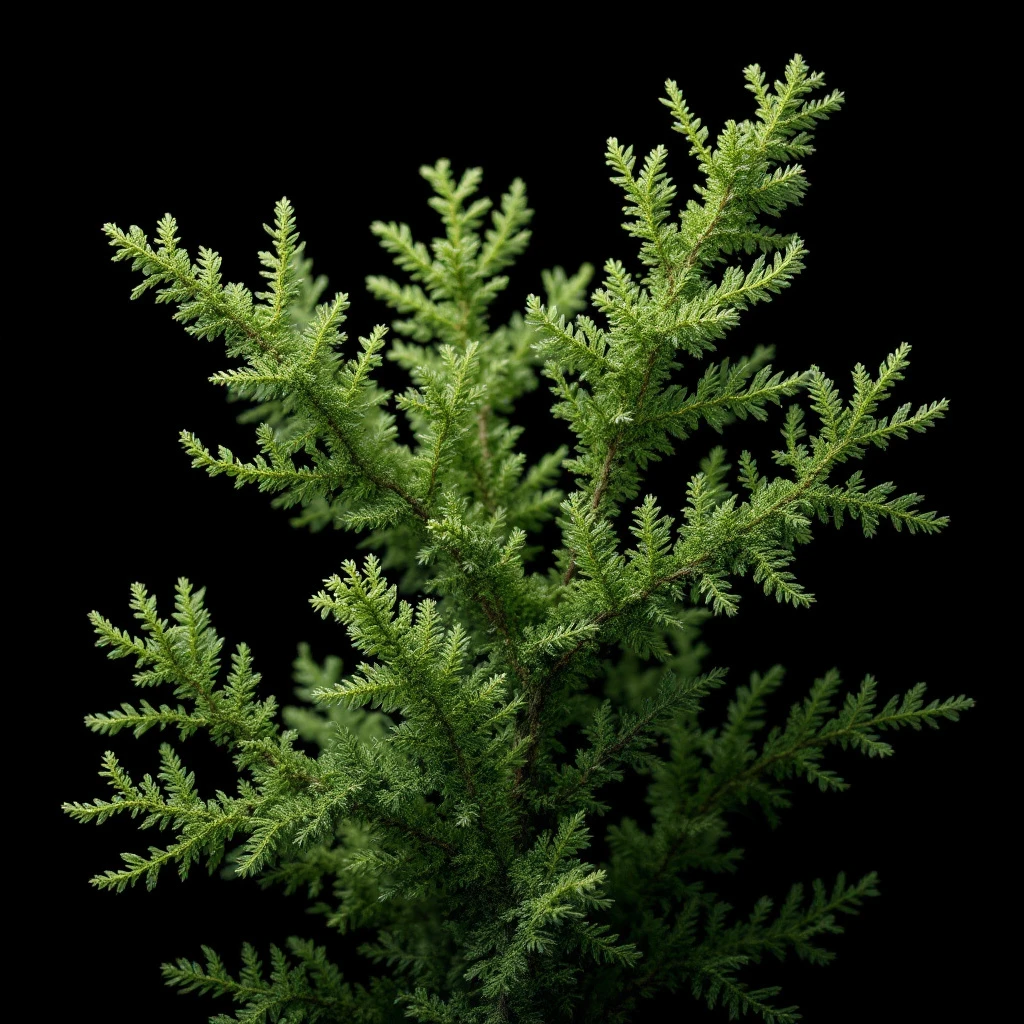
The earthy backbone of modern perfumery.
Despite its name, white oakmoss is actually a lichen that grows on oak trees, not a moss species.



Origin
France
The use of oakmoss in fragrance stretches back to ancient Egypt, where aromatic preparations incorporating lichen-based materials served both ceremonial and cosmetic purposes. By Roman times, blended perfumes combining styrax, calamus, and labdanum reflected an emerging appreciation for oakmoss-like earthy base notes. However, oakmoss did not formally enter Western perfumery until the late 19th century, when it became the defining ingredient in the Fougère family.
This category, pioneered by Houbigant with Fougère Royal in 1882, relied on oakmoss to create the characteristic woody, aromatic signature that still defines men's fragrances today. Its enduring presence across masculine and feminine compositions alike demonstrates how a single botanical ingredient shaped an entire fragrance family.
Wears it best
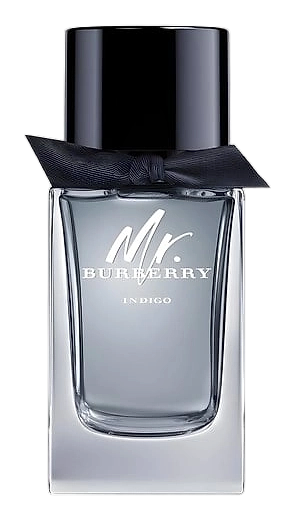
Fragrances featuring White Oakmoss
Brands
Brands known for White Oakmoss
Good to know
Questions, answered
The essentials on White Oakmoss in perfumery: how it smells, where it comes from, and how it behaves on skin.
What does white oakmoss smell like?
White oakmoss delivers an earthy, forest-floor aroma with deep mossy and bark-like qualities. It creates an essential backbone in fougère fragrances, adding woodland depth and natural authenticity.
Is white oakmoss a moss or something else?
Despite its name, white oakmoss is actually a lichen from the Evernia prunastri species. It grows on oak bark and differs botanically from true mosses.
Why is white oakmoss restricted in perfumery?
Oakmoss contains atranol and chloroatranol, compounds that can cause skin sensitization. IFRA regulations limit concentration in consumer products to ensure safety.
What fragrance family uses white oakmoss most prominently?
The fougère family depends on white oakmoss as its foundational element. Launched by Houbigant in 1882, this category builds aromatic, lavender, and woody characters upon oakmoss's earthy base.
Where does white oakmoss grow?
White oakmoss thrives in Mediterranean climates with high humidity and shade. France leads production, though it also grows throughout Southern Europe on oak and conifer bark.
How is white oakmoss extracted for perfume?
Producers use solvent extraction with alcohol to pull aromatic compounds from harvested lichen. The process runs 12 or more hours at temperatures between 40°C and solvent boiling point.
Can synthetic alternatives replace white oakmoss?
Synthetics like evernyl attempt to replicate oakmoss's scent, but they lack the full complexity of natural extracts. Natural oakmoss remains prized for its layered, forest-like character.
Which well-known fragrances feature white oakmoss?
Countless iconic fragrances built their signatures on oakmoss, including Chanel Pour Monsieur, Drakkar Noir, and Guerlain Jicky. It remains a staple in masculine aromatic compositions.