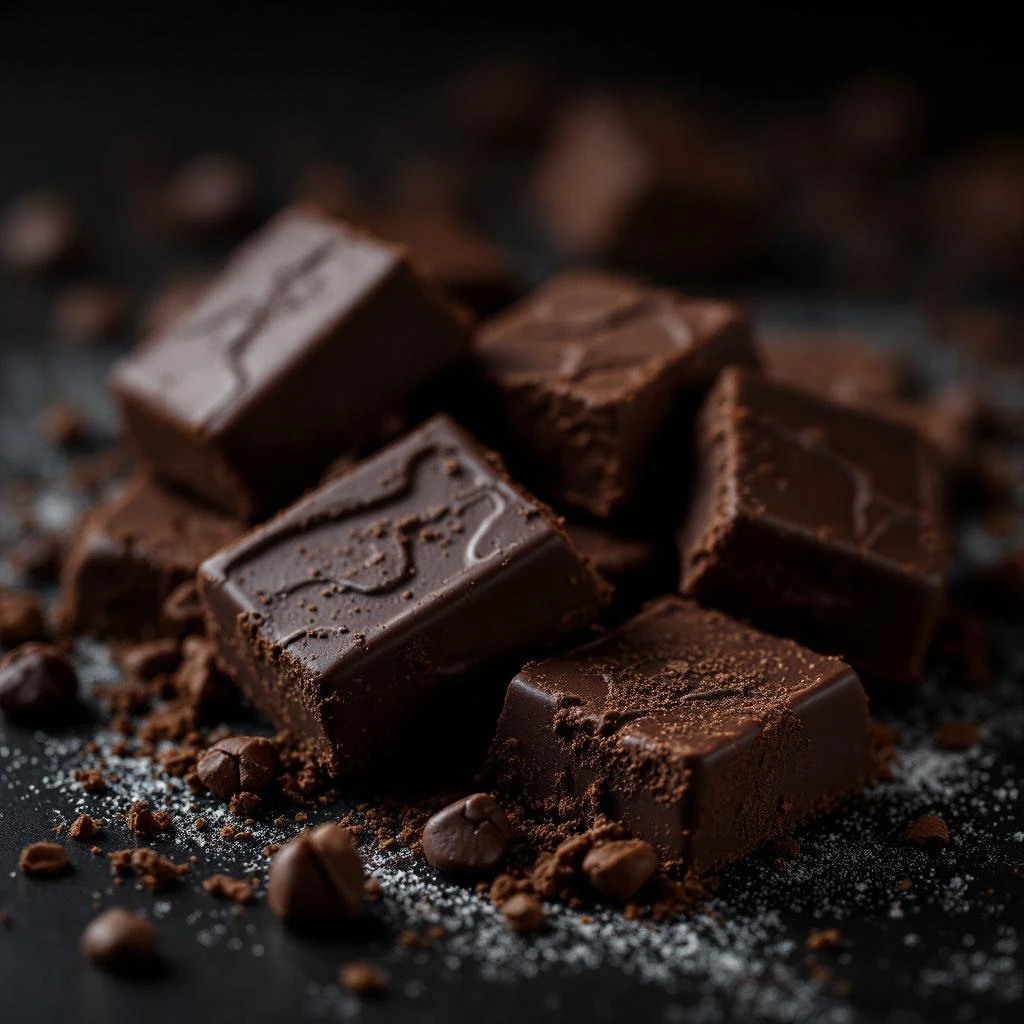
White cognac
White cognac is a rare spirit-derived oil that captures the mellow, slightly sulfurous character of cognac lees. It adds a warm, nutty nuance to modern compositions, bridging classic elegance with contemporary depth.

Character
How it smells
Mellow spirit, refined nuance.
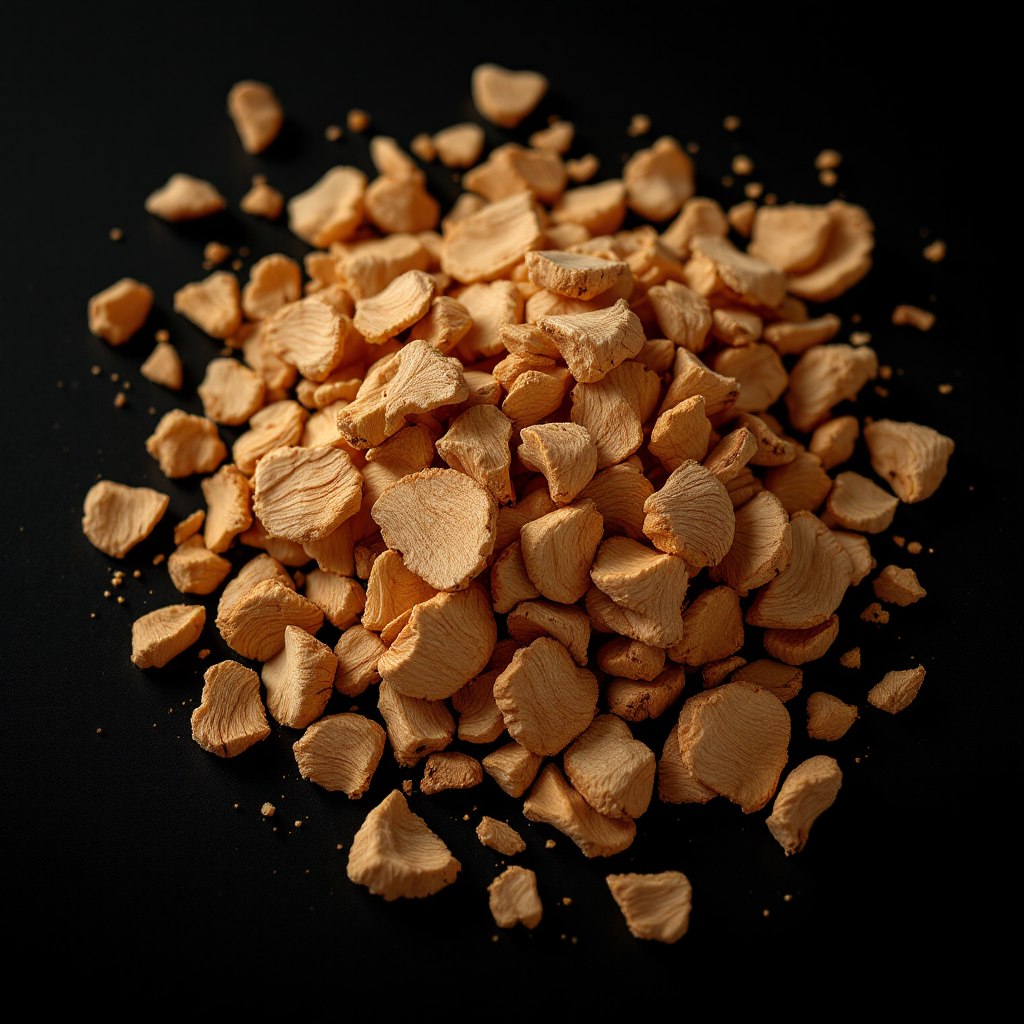
White cognac oil originates from the sediment left after distilling cognac, turning what is normally waste into a prized aromatic ingredient prized by master perfumers.







Origin
France
The use of spirit notes in perfumery dates back to the early 19th century, when distillers first experimented with aromatic by‑products. French artisans recognized that the lees left from cognac production held a unique scent profile, distinct from the grape itself.
By the late 1800s, perfumers began incorporating distilled spirit oils into their blends, seeking the warm, amber‑like quality that complemented floral and woody accords. White cognac emerged as a specialty ingredient in the mid‑20th century, when advances in hydrodistillation allowed for consistent extraction of the delicate aromatics.
Its inclusion in classic compositions helped bridge the gap between traditional natural extracts and the growing synthetic palette, cementing its role as a bridge between heritage and innovation. Today, it appears in niche fragrances that aim to evoke refined sophistication without relying on overtly sweet notes.
Wears it best
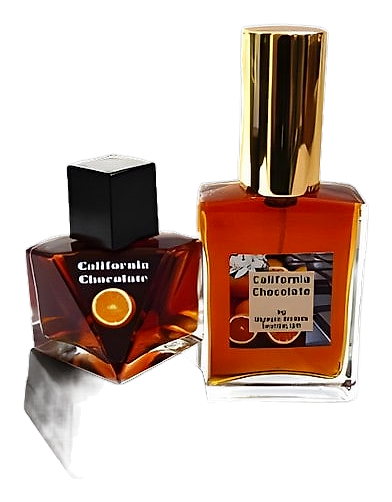
Fragrances featuring White cognac
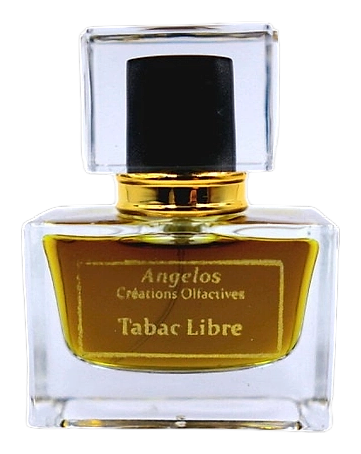
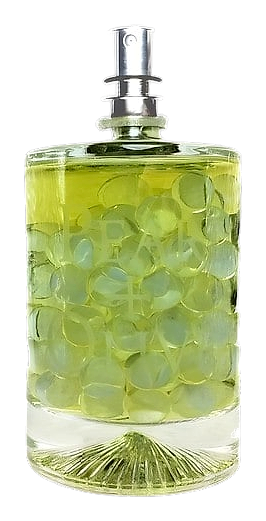
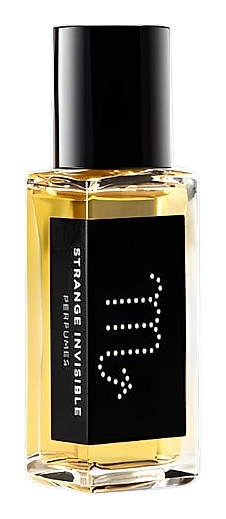
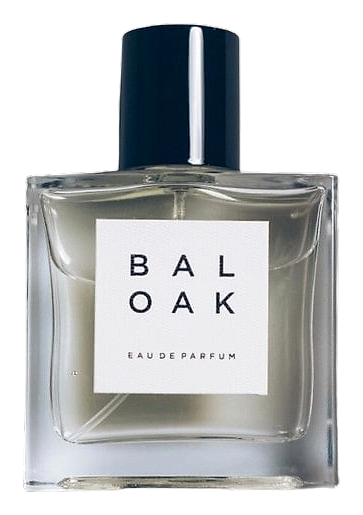
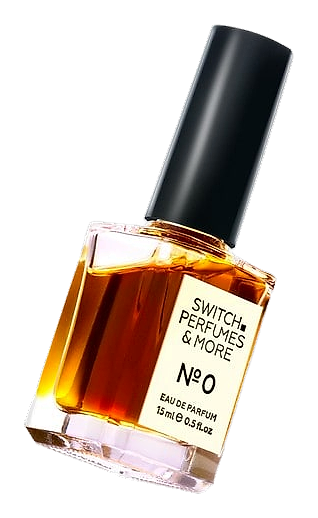
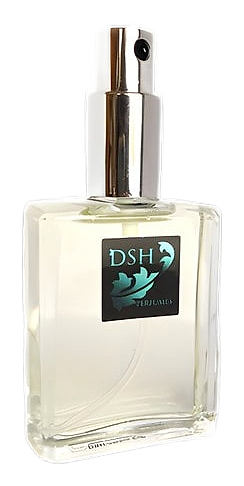
Brands
Brands known for White cognac
Good to know
Questions, answered
The essentials on White cognac in perfumery: how it smells, where it comes from, and how it behaves on skin.
What scent does white cognac contribute to a perfume?
White cognac adds a smooth, slightly sulfurous, nutty nuance that softens sharper notes. It creates a warm, amber‑like facet that balances floral and woody elements. The oil is catalogued under CAS 8016-21-5, confirming its recognized aromatic profile.
Is white cognac a natural ingredient or a synthetic replica?
White cognac is a natural essential oil derived from the lees of cognac wine. The lees are the solid residue left after distillation of Vitis vinifera grapes. The ingredient appears in the Good Scents Company database as a natural extract.
How is white cognac oil extracted?
Producers extract white cognac oil by hydrodistillation of the lees at controlled temperatures. Steam carries volatile compounds upward, where they condense into a clear oil. French perfumery standards define this method for spirit‑derived essential oils.
Can white cognac be used in skin‑contact products?
White cognac is safe for use in fragrance‑only applications but is not typically formulated in leave‑on cosmetics. Its concentration is limited to avoid irritation. The ingredient complies with EU cosmetics regulation under entry 8016-21-5.
What is the typical longevity of white cognac in a fragrance?
White cognac offers moderate persistence, lasting three to five hours on skin. Its warm, resinous character helps anchor lighter top notes. Analytical reports list its evaporation rate as slower than citrus oils, supporting its lasting presence.
Which fragrance families pair well with white cognac?
White cognac blends smoothly with oriental, woody, and amber families, enhancing depth without overpowering. It also softens sharp citrus accords, creating balanced compositions. The oil’s CAS entry notes its compatibility with vanilla and sandalwood.
Does white cognac contain alcohol that can affect scent perception?
White cognac retains trace alcohol from its source, but the concentration is low enough not to dominate the aroma. Laboratory analysis shows alcohol content below 2% by volume, preserving the intended aromatic profile.
Is the sourcing of white cognac sustainable?
White cognac utilizes a by‑product that would otherwise be waste, improving overall resource efficiency. The lees are collected from established cognac producers in France, reducing additional agricultural impact. The ingredient’s life‑cycle assessment notes a low carbon footprint.