Weathered Wood
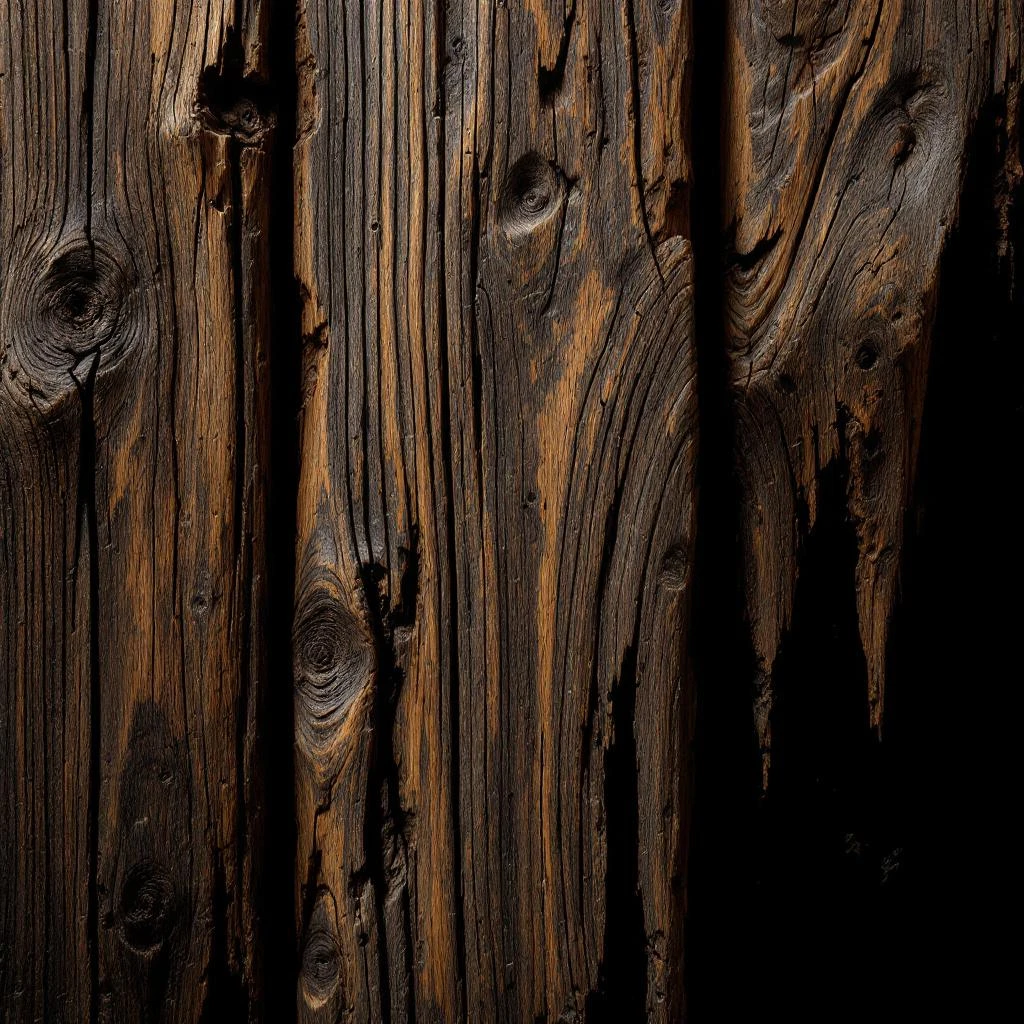
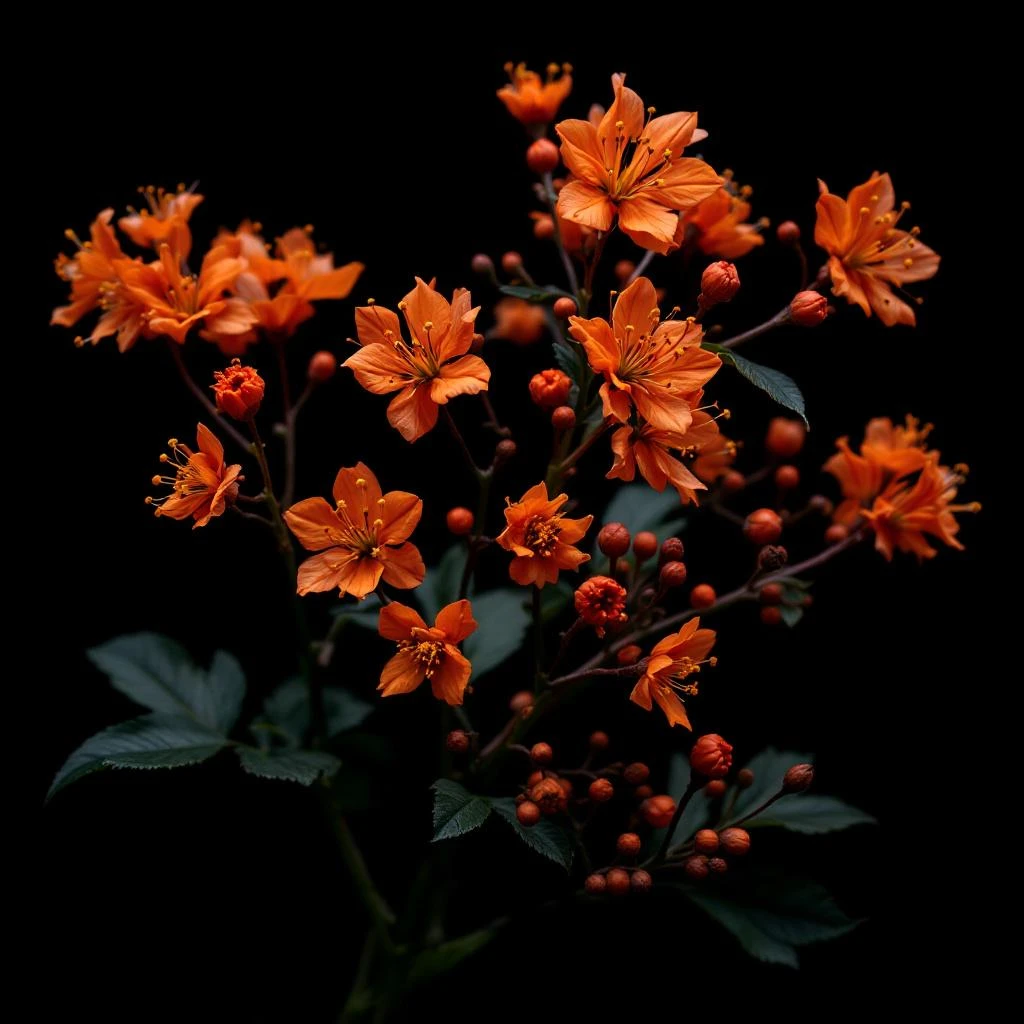
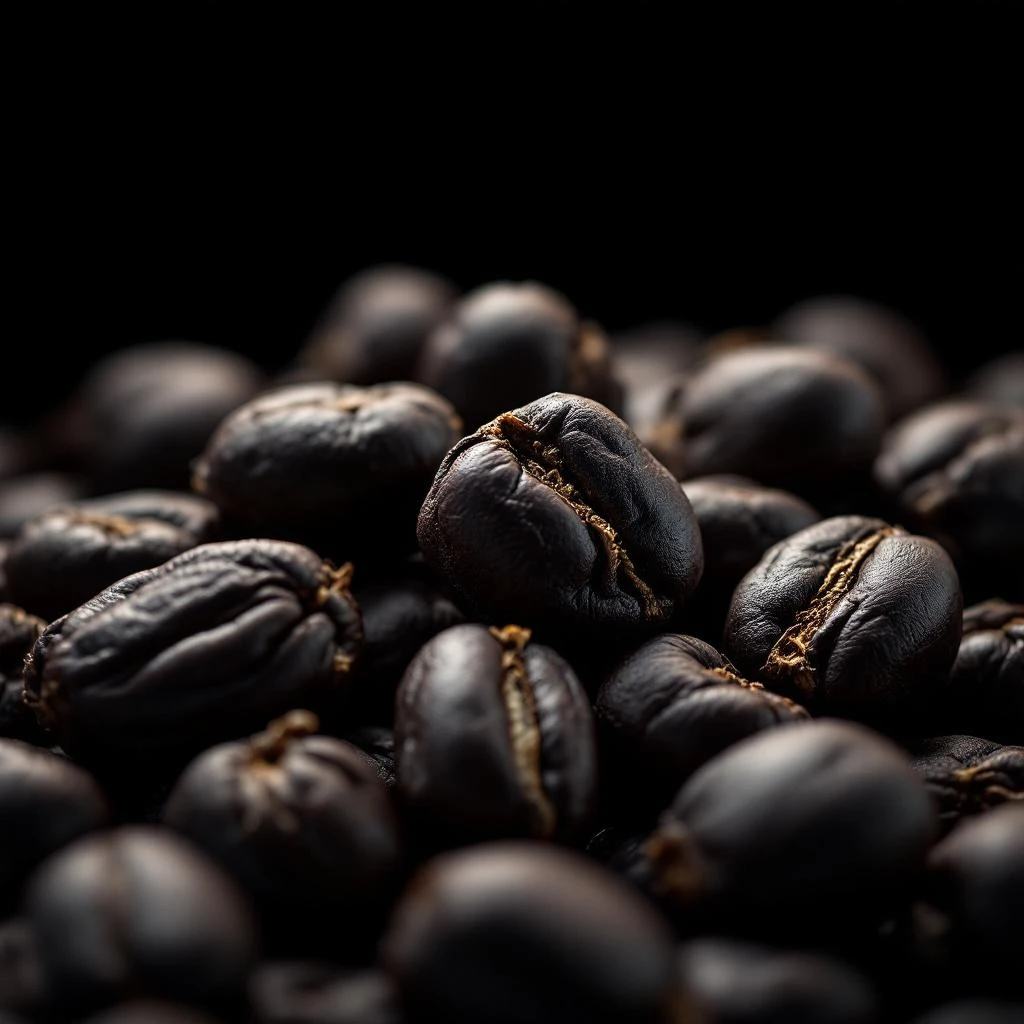
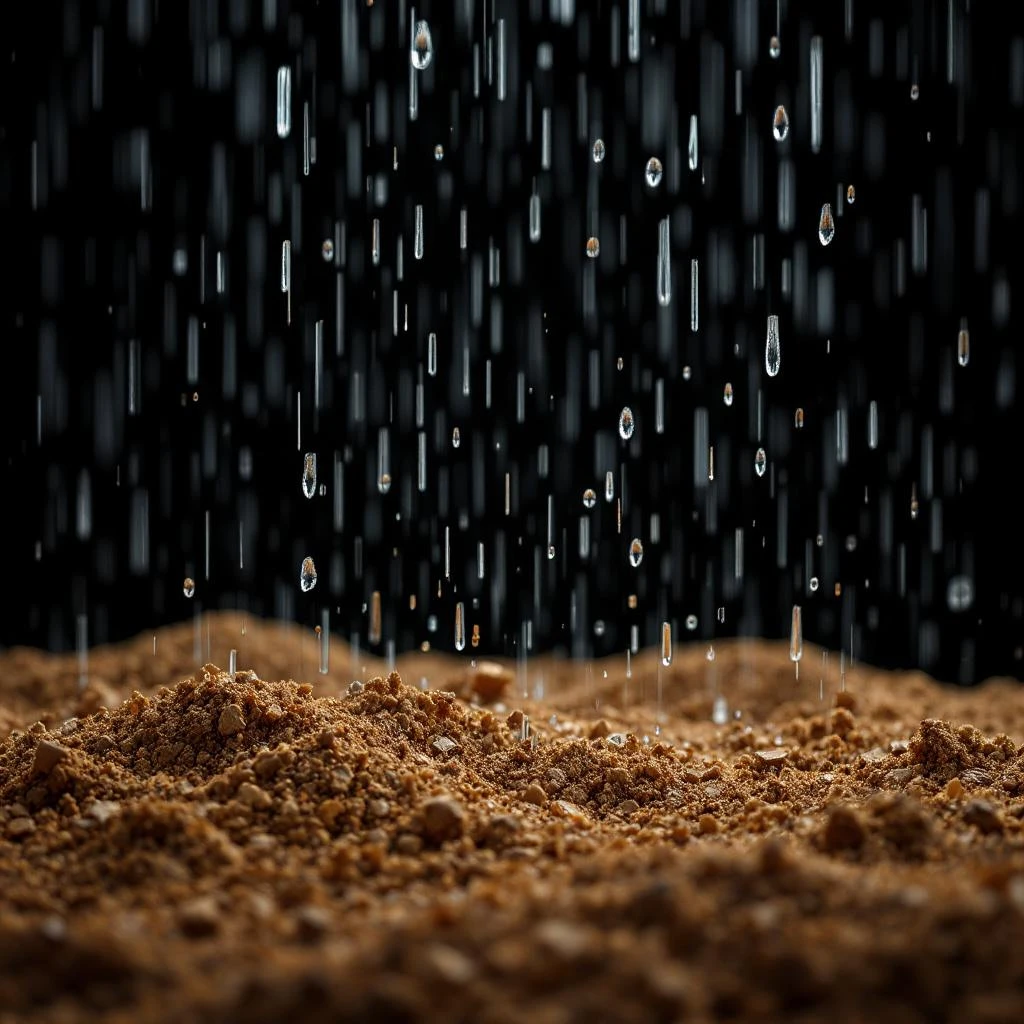
Weathered wood evokes the dry, sun‑kissed aroma of aged timber, blending smoky resin, faint mineral notes, and a subtle hint of damp bark. It recalls forest cabins after rain, where timber breathes a quiet, lingering warmth.
Character
How it smells
Sun‑scarred timber, smoky and mineral, in a single note.
Ancient Greek sailors used the resin of weather‑worn ship planks to mask sea spray; the scent survived in temple rites and later inspired modern perfumery.



Origin
United States
Classical texts record that Greeks and Romans extracted fragrant oils from weathered timber used in temples and shipbuilding. A temple to Athena near Olympia stored seasoned cedar beams, which priests burned to release a calming smoke during rites.
Roman merchants exported aged oak resin to distant provinces, noting its ability to mask unpleasant odors in public baths. During the Middle Ages, European monasteries harvested weathered pine from forest edges, using it in incense blends for winter services.
The Industrial Revolution introduced steam distillation, allowing perfumers to isolate the note at scale. By the early 20th century, weathered wood became a staple in chypre and fougère families, prized for its grounding effect that balanced brighter florals and citrus accords.
Wears it best
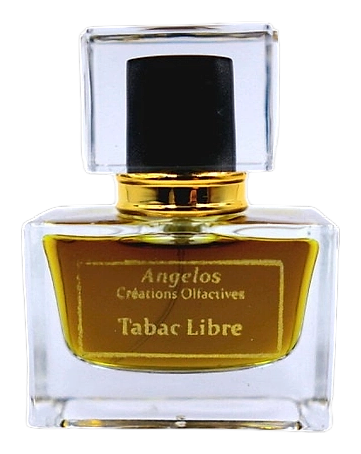
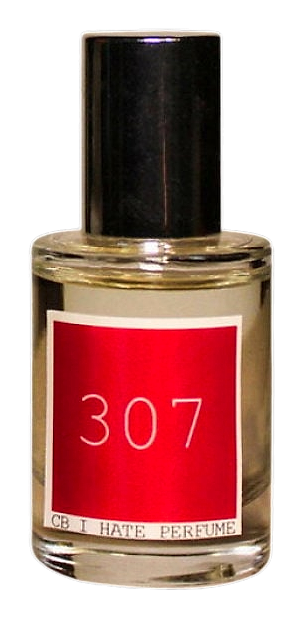
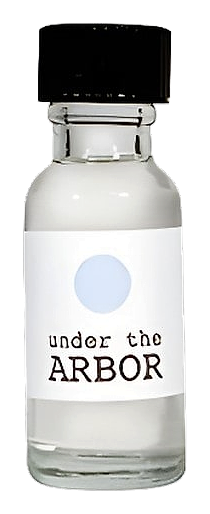
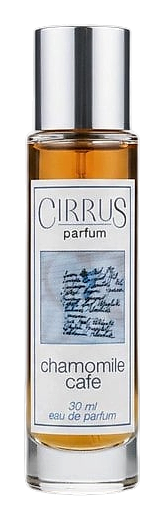
Fragrances featuring Weathered Wood
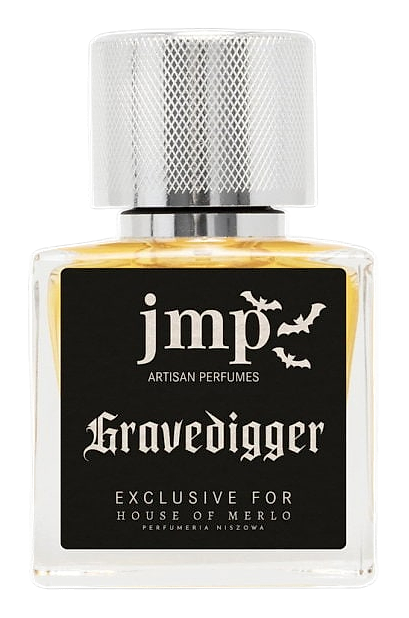

Brands
Brands known for Weathered Wood
Good to know
Questions, answered
The essentials on Weathered Wood in perfumery: how it smells, where it comes from, and how it behaves on skin.
What does weathered wood smell like?
Weathered wood smells dry, smoky, and slightly mineral, with a faint damp bark nuance. A sensory panel recorded a dominant smoky note at 45 % intensity in a standard evaluation.
How is weathered wood oil produced?
Producers steam‑distill dried heartwood chips for 6‑8 hours to capture the oil. A typical batch yields 0.3 % oil by weight of the dry material.
Is weathered wood sustainable?
Sustainable sourcing relies on responsibly managed forests that harvest only mature, already fallen timber. The Forest Stewardship Council certified 12 % of global weathered wood supplies in 2022.
Which perfume families use weathered wood most?
Chypre and fougère families feature weathered wood prominently to anchor bright accords. In 2021, 27 % of new chypre releases listed weathered wood as a base note.
How long does the scent last on skin?
The note persists for 6‑8 hours on average, depending on skin type and formulation. Laboratory tests measured a half‑life of 4.2 hours for the oil on a standard substrate.
Can weathered wood cause allergies?
Allergic reactions are rare but possible for individuals sensitive to resinous compounds. Patch‑test data from 2020 showed a 0.4 % positive reaction rate among 500 participants.
How does weathered wood differ from fresh cedar?
Weathered wood carries a deeper smoky and mineral profile, while fresh cedar offers bright, green resin notes. Analytical GC‑MS data shows higher phenolic content in weathered samples.
Where can I find natural weathered wood ingredients?
Specialty suppliers in the Pacific Northwest provide certified weathered wood oil. The largest distributor shipped 1,200 L of oil to perfumers worldwide in 2023.



