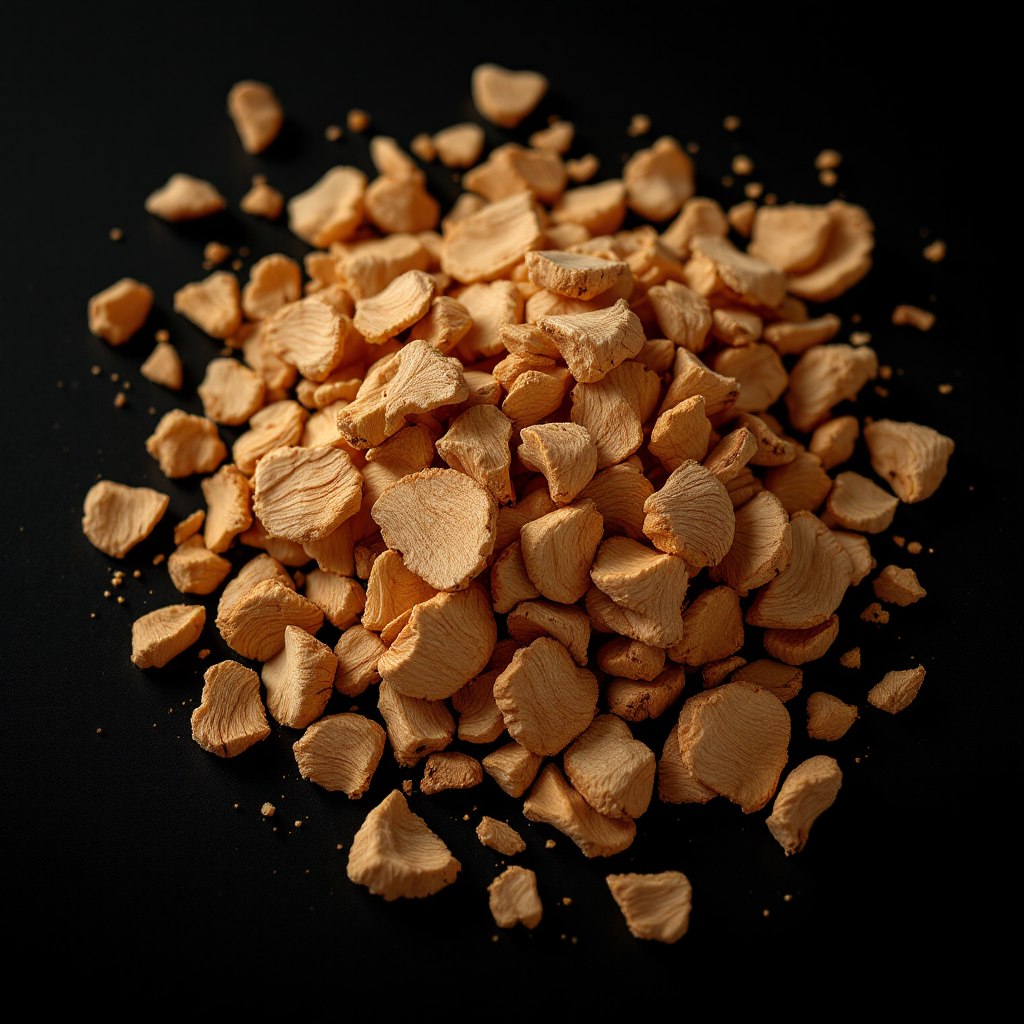
Velvet Woods
Velvet Woods captures the sensation of sunlight warming ancient forests. A modern perfumery accord built around Iso E Super, it delivers the tactile quality of smooth bark against skin—quiet, enveloping, impossibly soft.
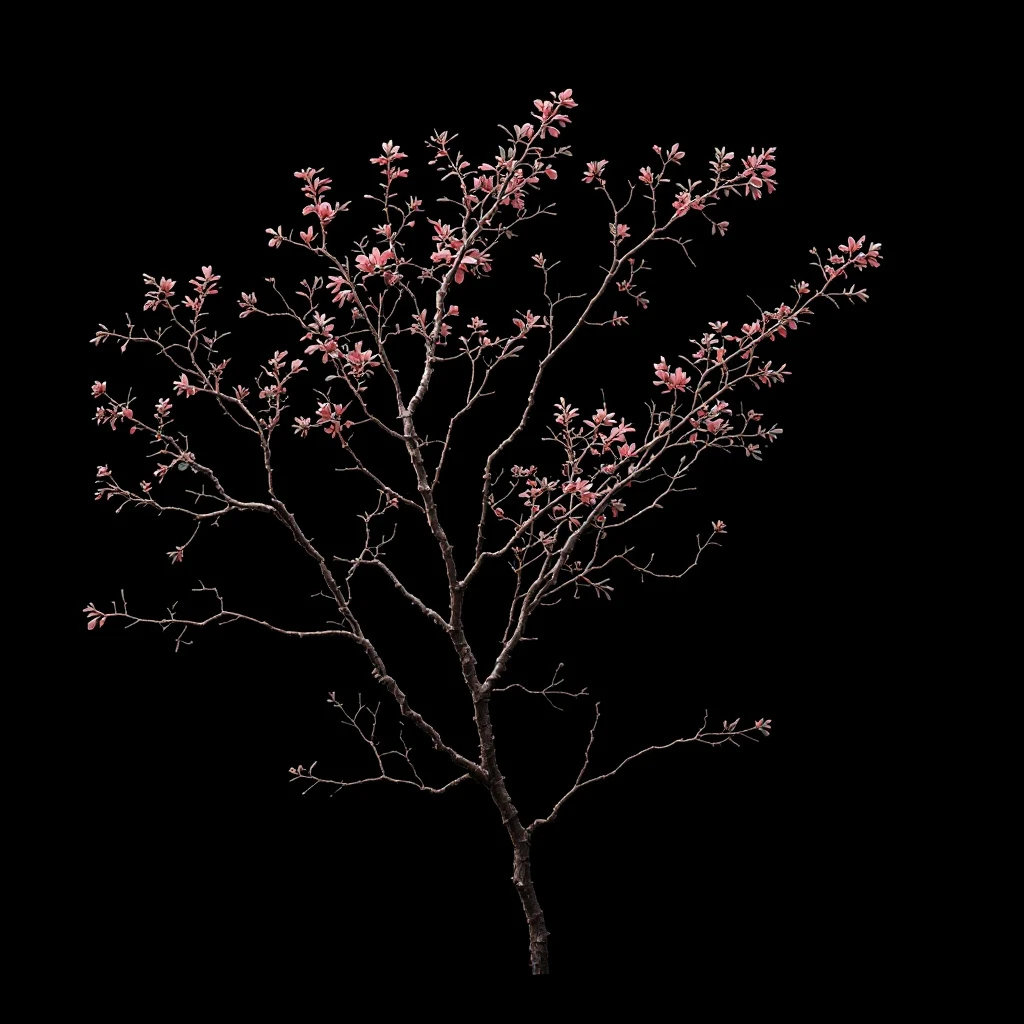
Character
How it smells
The softest wood you will ever encounter.
Iso E Super, velvet woods' signature molecule, was discovered accidentally in 1973 when a chemist was testing an entirely different compound.









Origin
Global
The concept of Velvet Woods emerged from one of perfumery's most celebrated accidents. In 1973, a chemist at a major aroma-chemical supplier was synthesizing a compound for an unrelated application when the resulting molecule displayed an unexpected woody-amber scent profile that bore little resemblance to the intended target. The molecule, later named Iso E Super, would fundamentally reshape how perfumers approach wood notes.
Before this discovery, perfumers relied on traditional woody materials: sandalwood from Mysore, cedarwood from Atlas, vetiver from Haiti. These ingredients carried rich histories but also limitations. Natural woods vary by harvest, geography, and season. Sandalwood especially faced growing scarcity and regulation concerns as global supplies dwindled.
Iso E Super offered something revolutionary: a molecule that smelled like nothing natural yet evoked the sensation of warm wood more effectively than most natural materials. French perfumers were among the first to explore its potential, incorporating it into compositions during the 1980s luxury fragrance boom. The molecule proved especially valuable for chypre and fougere families, where it provided the woody foundation without competing with citrus or lavender top notes.
The Velvet Woods accord as a named concept developed gradually, describing fragrances that prioritize Iso E Super as the central woody element rather than a supporting ingredient. By the 2000s, countless perfumes featured this signature, establishing it as a recognized category. Today, Velvet Woods represents the intersection of accident and intention that characterizes modern perfumery's evolution from natural art to molecular science.
Wears it best
Fragrances featuring Velvet Woods


Brands
Brands known for Velvet Woods
Good to know
Questions, answered
The essentials on Velvet Woods in perfumery: how it smells, where it comes from, and how it behaves on skin.
What is Velvet Woods in perfumery?
Velvet Woods is a modern perfumery accord built primarily around Iso E Super, a synthetic molecule discovered in 1973. It creates a soft, warm wood effect resembling polished driftwood or aged cedar. The accord is valued for its exceptional longevity and skin-substantivity.
Is Velvet Woods a natural ingredient?
No, Velvet Woods is a synthetic accord. Its signature molecule, Iso E Super, is produced through chemical synthesis in laboratories. While it may be paired with natural woody materials in some fragrances, the core accord relies on engineered aromatic compounds.
How was Iso E Super discovered?
Iso E Super was discovered accidentally in 1973. A chemist synthesizing a compound for an unrelated industrial application found the resulting molecule displayed an unexpectedly pleasant woody-amber scent profile that bore no resemblance to the intended target, leading to its adoption in perfumery.
What does Velvet Woods smell like?
Velvet Woods evokes warm, polished wood without the sharpness of fresh-cut timber. Descriptors include dry cedar, smooth bark, amber, and a subtle cashmeran-like softness. On skin, it develops slowly over hours, creating a woods-in-fog atmosphere.
What fragrances feature the Velvet Woods accord?
While specific formulations are proprietary, many modern woody fragrances incorporate significant Velvet Woods-style accords. The combination of Iso E Super with companion molecules creates what perfumers call a 'modern wood' signature found in numerous contemporary releases.
Why do perfumers use synthetic wood molecules?
Synthetic wood molecules offer consistency, sustainability, and cost stability that natural woods cannot. Sandalwood and certain cedar species face regulatory restrictions and supply volatility. Synthetic alternatives like Iso E Super allow perfumers to achieve complex wood effects reliably and ethically.
How long does Velvet Woods last on skin?
Iso E Super, the anchor of the Velvet Woods accord, is known for exceptional substantivity. It can remain detectable on skin for 8 to 12 hours or longer, making it one of the most long-lasting materials available to perfumers. The molecule clings tenaciously and develops continuously.
Can Velvet Woods be combined with natural wood notes?
Absolutely. Many perfumers layer the Velvet Woods accord with natural materials like sandalwood, cedarwood, or guaiac wood. The synthetic molecules amplify and extend natural woody notes, creating depth and longevity that natural materials alone cannot achieve. This combination approach yields complex, multi-dimensional wood signatures.