Red rose absolute
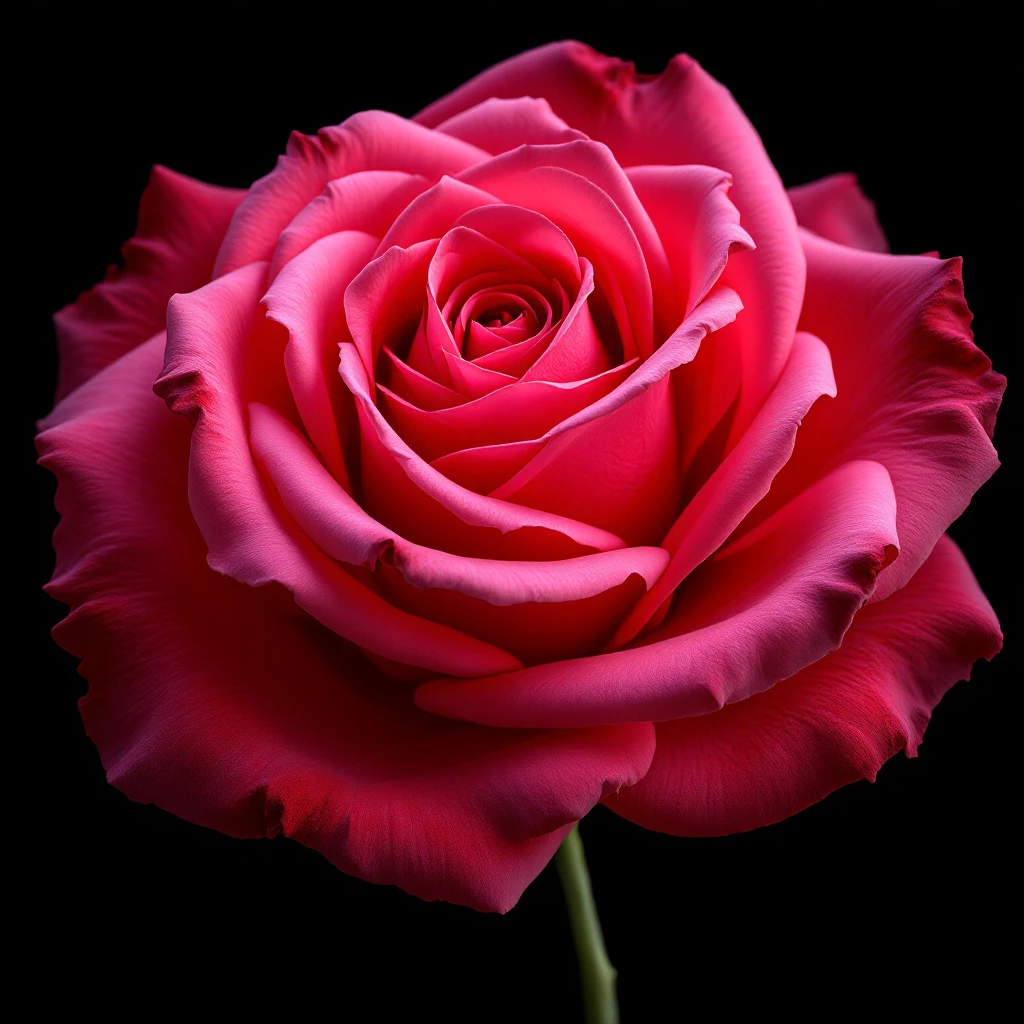
Red rose absolute captures the full, opulent heart of the damask rose. Unlike rose otto from steam distillation, solvent extraction preserves a richer, more honeyed concentrate. The result is a deep, romantic material prized above almost any other natural ingredient in fine perfumery.
Character
How it smells
The most romantic material in perfumery.
It takes roughly one ton of handpicked damask rose petals to yield just one kilogram of red rose absolute.




Origin
Bulgaria
The rose occupies one of the oldest documented places in human fragrance history. Ancient Persians, Egyptians, Greeks, and Romans all celebrated rose petals for their beauty and scent. Rose oil production as we understand it likely originated in ancient Iran, where early solvent extraction techniques were first developed.
The cultivation and distillation of damask rose spread eastward through Persia into India and westward into the Ottoman Empire. By the 19th century, Bulgaria had become the undisputed centre of rose cultivation, particularly in the Kazanlak Valley, where the unique microclimate and altitude create ideal conditions for Rosa damascena. The legendary Rose Valley of Bulgaria became synonymous with rose otto production, but rose absolute found its own distinct path through the French and Grasse tradition of perfumery, where its richer, deeper profile became essential to Chypre, Oriental, and Floral fragrance families.
Today, Turkey, Bulgaria, Morocco, Egypt, and China all contribute significant volumes, but rose absolute from any origin remains among the costliest natural materials in perfumery, a direct inheritance of its ancient heritage and the extraordinary labour its production demands.
Wears it best
Fragrances featuring Red rose absolute
Brands
Brands known for Red rose absolute
Good to know
Questions, answered
The essentials on Red rose absolute in perfumery: how it smells, where it comes from, and how it behaves on skin.
What makes red rose absolute different from rose otto?
Red rose absolute is produced via solvent extraction, which pulls a broader range of aromatic molecules including waxy and coloring constituents. Rose otto comes from steam distillation. The absolute is richer, sweeter, and more honeyed; rose otto is lighter and more watery.
Which countries produce the most rose absolute?
Bulgaria, Turkey, and Morocco are the leading producers of damask rose cultivated for perfumery use. Egypt and China also contribute meaningful volumes to the global supply of rose-derived materials.
How much rose is needed to produce one kilogram of absolute?
Approximately one ton of freshly picked damask rose petals yields a single kilogram of red rose absolute, making it one of the most labour-intensive natural ingredients in perfumery.
What does red rose absolute smell like?
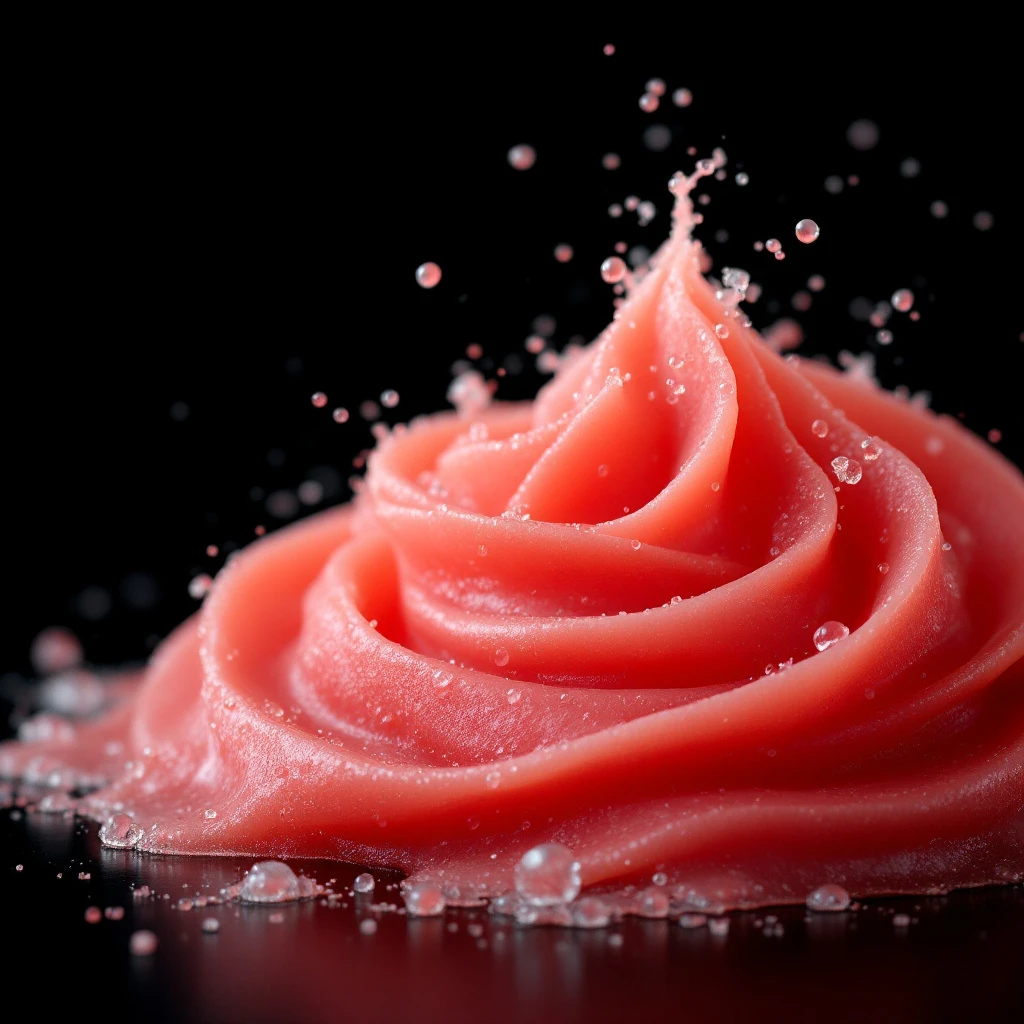
Red rose absolute presents as deeply floral, warm, and honeyed with a sweet, slightly spiced complexity. The colour is typically reddish-amber and the texture is viscous, reflecting the full botanical richness of the damask rose.
Why is red rose absolute so expensive?
The combination of hand-harvesting requirements, a short blooming season, the weight of petals needed per gram of output, and the precision of solvent extraction drives the cost. Rosa damascena yields are unpredictable from year to year, adding further price pressure.
When is damask rose harvested?
Rosa damascena blooms briefly, typically during May and June. Petals must be harvested early in the morning, often by hand, to capture peak aromatic content before heat dissipates the volatile compounds.
What fragrance families use red rose absolute?
Red rose absolute appears across Floral, Oriental, Chypre, and Fougère families. It anchors rose heart notes, adds depth to amber bases, and provides a natural sweetness that balances sharp citrus or earthy vetiver.
Is rose absolute used in food or cosmetics?
Rose absolute is primarily designated for perfumery use. Food-grade rose extracts and essential oils follow separate regulatory standards. Cosmetic applications exist but are regulated differently in each market.