Strawberry Puree
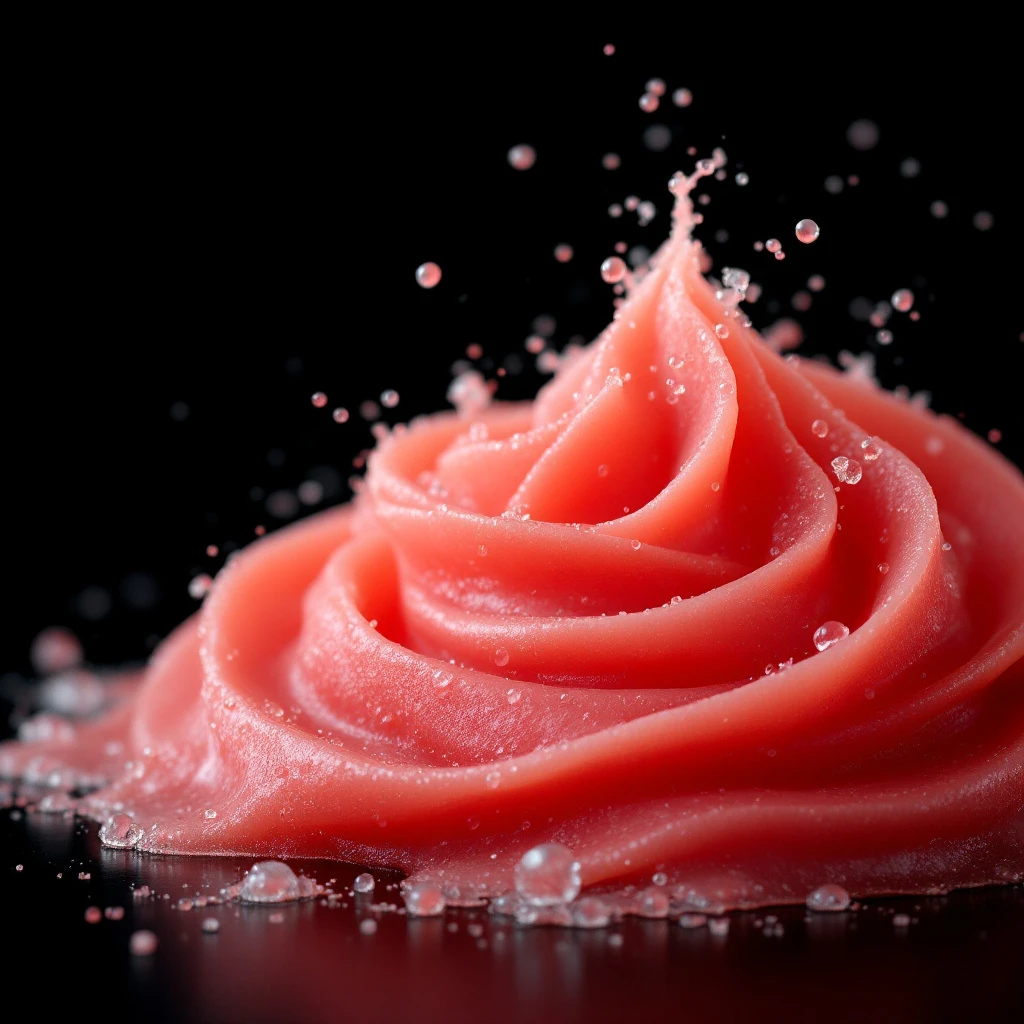
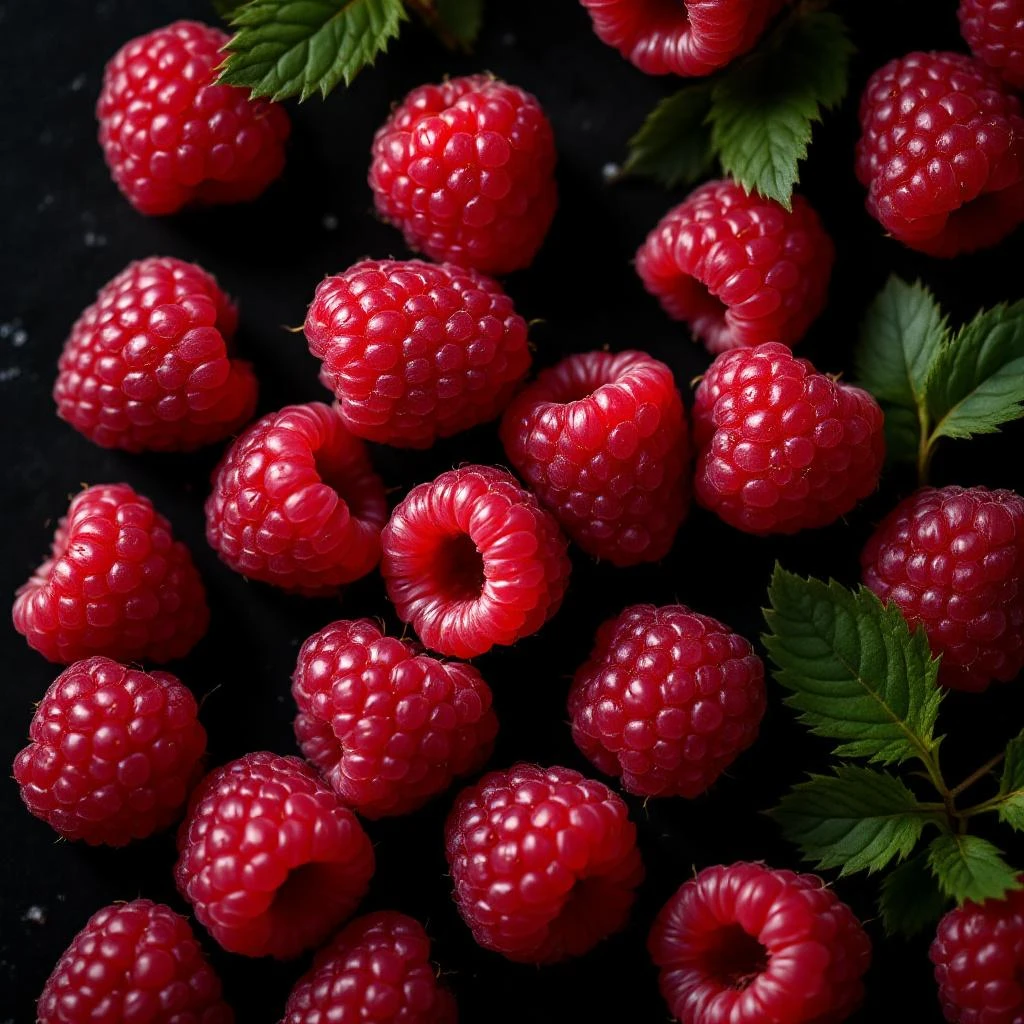
Unlike most fruit notes in perfumery, strawberry puree brings a tactile, almost visceral quality to fragrance. This concentrated fruit base captures the berry's bright sweetness and green undertones, lending a natural, just-harvested character that synthetic reconstructions rarely achieve.
Character
How it smells
The berry that defies tradition
Strawberry is roughly 92% water, yet perfumers extract its aromatic character through careful processing of the remaining compounds.


Origin
Spain
Ancient Egyptian perfumers established the foundational techniques for extracting fruit scents, though fresh strawberry would have posed challenges given its high water content and rapid degradation. The fruit's aromatic complexity comes from compounds like furaneol, which creates its characteristic sweet-tart signature. The 19th century advent of synthetic chemistry enabled perfumers to recreate strawberry's signature scent in stable, affordable forms, paving the way for fruity fragrances that had previously been impractical.
Spain's Huelva region became renowned for strawberries with particularly rich, ripe aromas shaped by its warm climate and sandy coastal soils. Modern sustainability efforts have shifted how perfumers source strawberry, with upcycled extracts from food industry waste streams now providing authentic strawberry character without the environmental footprint of dedicated cultivation.
Wears it best
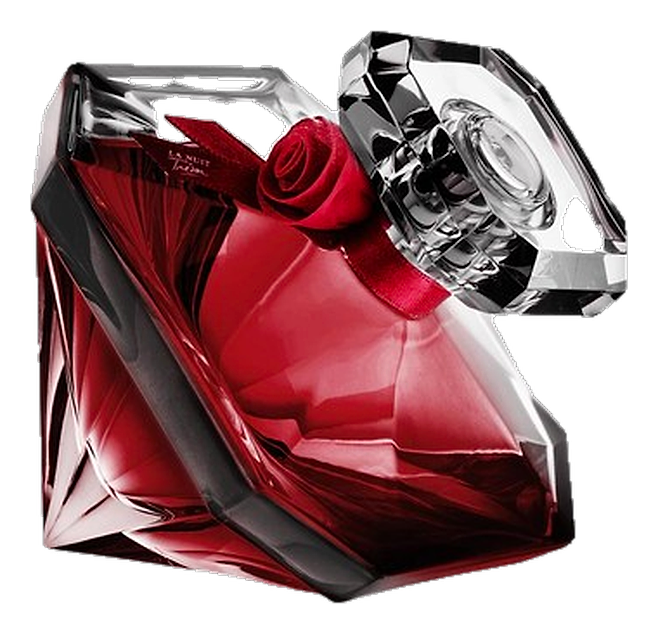
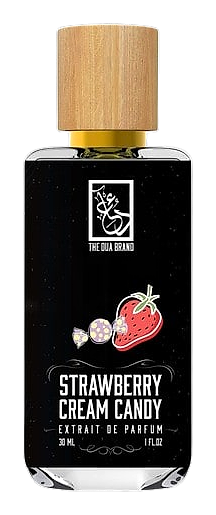
Fragrances featuring Strawberry Puree
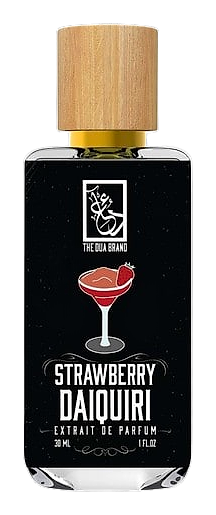
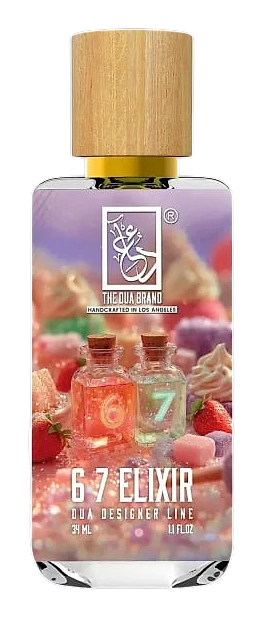
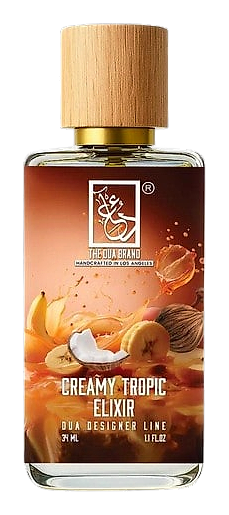

Brands
Brands known for Strawberry Puree
Good to know
Questions, answered
The essentials on Strawberry Puree in perfumery: how it smells, where it comes from, and how it behaves on skin.
Is strawberry puree a natural or synthetic ingredient?
It can be either. Modern perfumery uses natural extracts from upcycled strawberry waste, naturally derived enfleurage, and synthesized compounds that replicate strawberry's aromatic profile.
What makes strawberry puree difficult to work with in perfumery?
Fresh strawberry is roughly 92% water and degrades quickly. Extracting its aromatic compounds requires either costly solvent extraction or specialized upcycling processes to capture usable fragrance material.
What aroma compounds define strawberry's scent?
Furaneol creates the characteristic sweet-tart note, while mesifurane adds caramelized depth. Together these compounds produce strawberry's recognizable identity across both natural and synthetic formats.
Where does premium strawberry for perfumery originate?
Spain's Huelva region produces strawberries with particularly concentrated aromatic compounds, influenced by warm temperatures and sandy soils that stress the fruit into developing richer scent profiles.
How is strawberry used in modern fragrance formulation?
Strawberry puree provides bright, juicy top notes in fruity and gourmand fragrances. It pairs well with vanilla, jasmine, and marine accords, lending a natural, recently-harvested quality to compositions.
What sustainability approaches exist for strawberry in perfumery?
Givaudan and other houses have developed upcycling processes that recover aromatic compounds from strawberry seeds and pulp discarded during food manufacturing, reducing waste while maintaining authentic fruit character.
How does strawberry puree differ from synthetic strawberry base?
Natural strawberry extract captures subtle green, slightly tart nuances that synthetics often miss. However, synthetic bases offer consistency, shelf stability, and cost efficiency that natural materials cannot match.
What fragrance families commonly feature strawberry?
Strawberry appears across fruity florals, gourmand compositions, and playful gender-neutral fragrances. It works particularly well in spring and summer launches where bright, accessible freshness aligns with seasonal positioning.