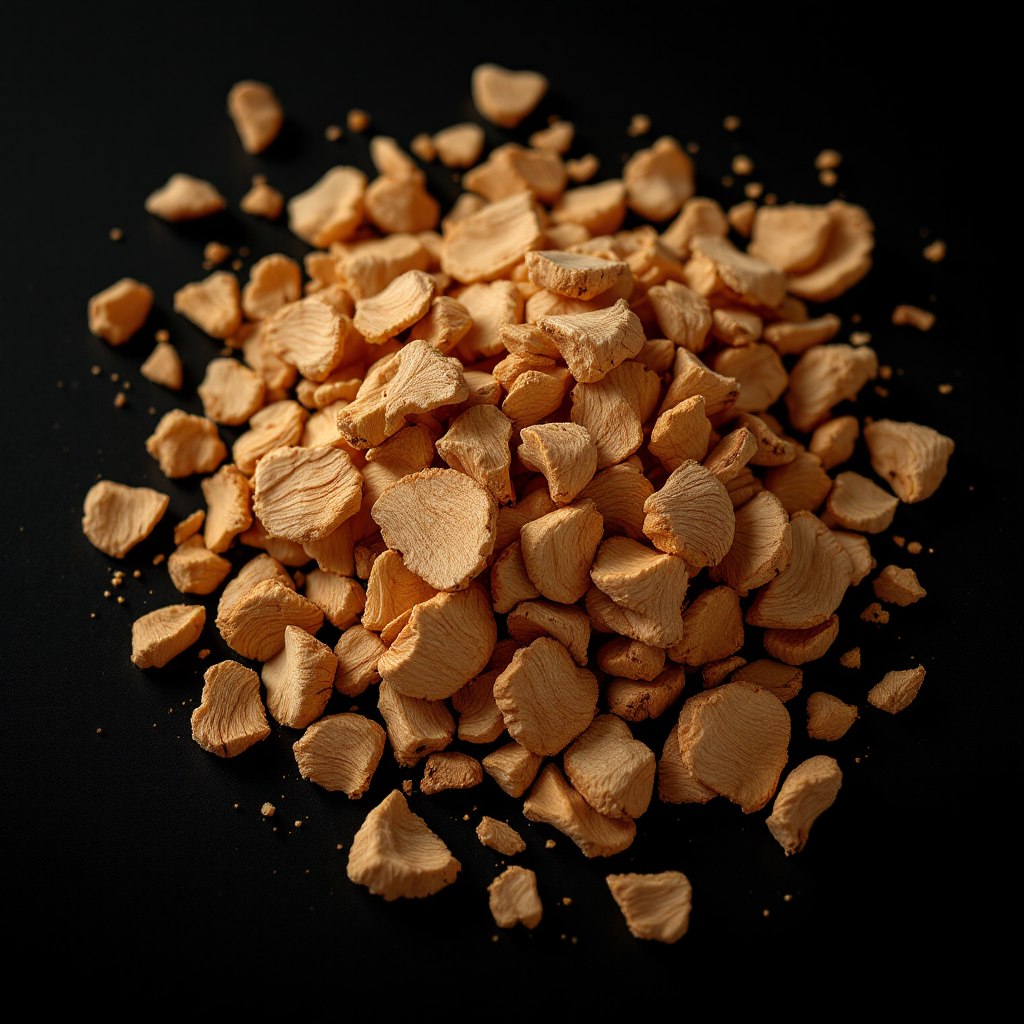
Tulip Tree
Tulip tree (Liriodendron tulipifera) offers a rare green-honey scent from one of North America's oldest flowering trees. Aromatic notes come from crushed leaves and twigs, prized in niche perfumery for their honeyed, herbaceous depth.

Character
How it smells
Ancient magnolia relative with a honeyed green whisper
The tulip tree evolved nearly 100 million years ago, making it a living contemporary of the dinosaurs and one of Earth's oldest flowering plants.






Origin
United States
The tulip tree, sometimes misnamed tulip poplar despite being no relation to true poplars, holds a singular place in botanical history as a magnolia relative that evolved roughly 100 million years ago. Indigenous communities of eastern North America recognized the tree's aromatic properties long before European settlers arrived, using the bark and leaves in traditional preparations.
Early American settlers adopted these practices and noted the pleasant scent released when leaves were crushed. The tree's lumber value eventually overshadowed its aromatic potential, with vast old-growth forests harvested throughout the 18th and 19th centuries for shipbuilding and construction.
Perfumery's commercial interest in tulip tree emerged more recently, as niche perfumers sought unusual green notes beyond conventional aromatics. Today, sustainable wildcrafting operations in the Appalachian region supply small quantities for artisan fragrance work, keeping this prehistoric botanical connected to contemporary scent creation.
Wears it best
Fragrances featuring Tulip Tree
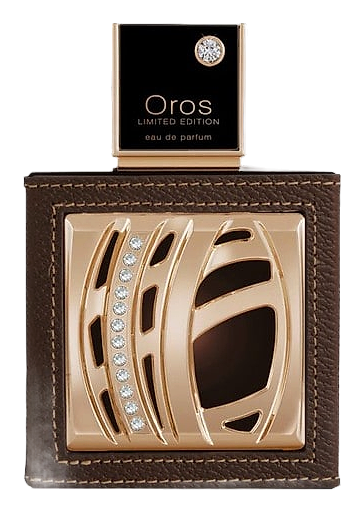
Brands
Brands known for Tulip Tree
Good to know
Questions, answered
The essentials on Tulip Tree in perfumery: how it smells, where it comes from, and how it behaves on skin.
What does tulip tree smell like in perfume?
Tulip tree produces a green, slightly honeyed aroma with herbaceous and woody nuances. The scent recalls crushed foliage and carries a natural sweetness without being floral, making it distinctive among green fragrance ingredients.
Is tulip tree related to tulips or poplars?
No. Despite its common name 'tulip poplar,' Liriodendron tulipifera belongs to the Magnolia family (Magnoliaceae). It evolved roughly 100 million years ago and shares no botanical relation to true tulips or poplars.
How is tulip tree fragrance oil produced?
Producers harvest leaves and young twigs by hand, then apply steam distillation to release volatile aromatic compounds. Some operations use solvent extraction to capture a broader range of scent molecules from the woody material.
Why is tulip tree rare in commercial perfumery?
Low oil yield per unit of plant material keeps production volumes small. Most supply comes from sustainable wildcrafting in the Appalachian region, limiting availability for mass-market fragrance houses.
Where does tulip tree naturally grow?
Liriodendron tulipifera is native to eastern North America, with its range centered in the Appalachian Mountains. It thrives in temperate forests from southern New England through Georgia and west to the Mississippi River.
Can tulip tree be confused with magnolia in perfume?
Yes, their botanical kinship produces overlapping aromatic profiles. Tulip tree tends to read greener and more herbaceous, while magnolia often leans lemony and creamy, though both share a shared evolutionary aromatic chemistry.
What fragrance families feature tulip tree?
Tulip tree appears most often in green and woody compositions, where its honeyed herbaceous quality adds natural depth. Niche perfumers occasionally position it in aromatic fougère structures for an unconventional green accent.
Is tulip tree fragrance sustainable?
Small-scale wildcrafting operations harvest only branches and leaves, leaving trees intact. This selective method supports forest health, though limited growing range restricts overall supply compared to cultivated aromatic crops.