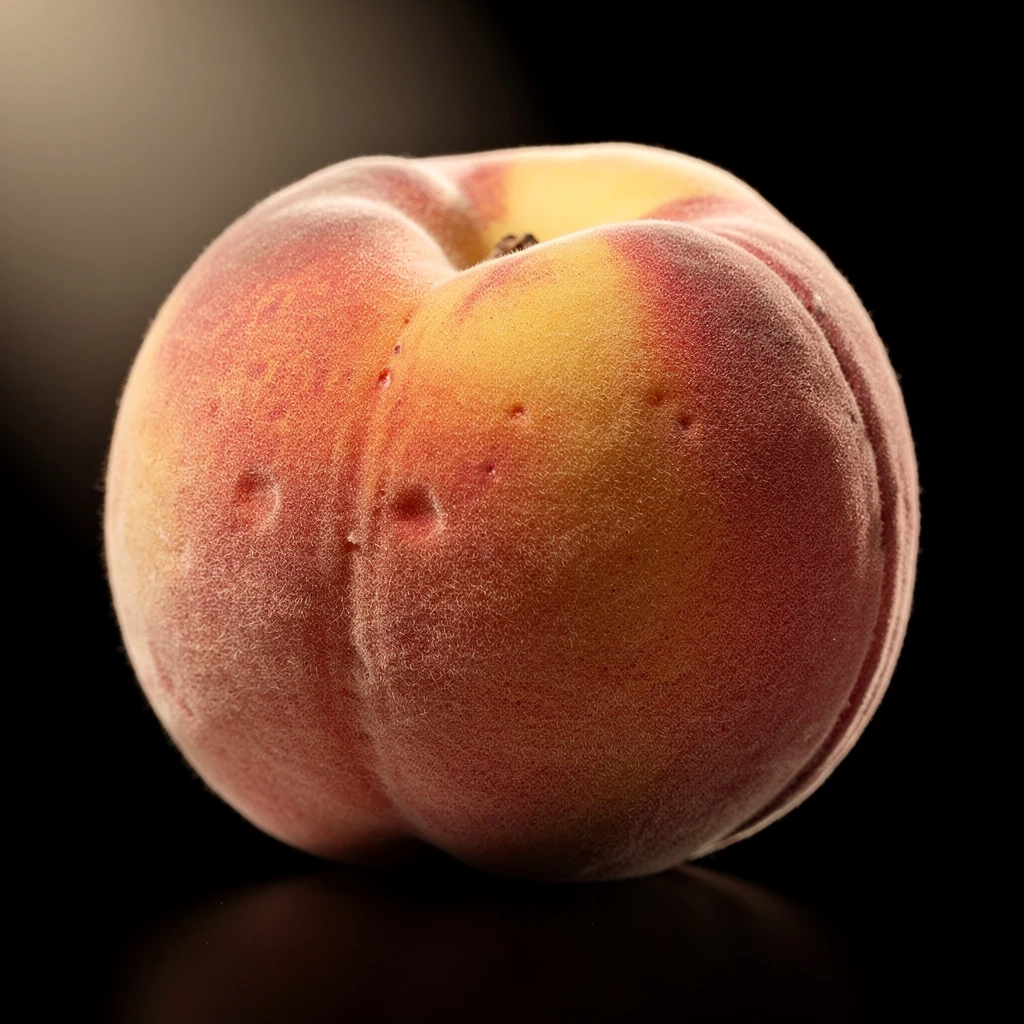
Stone Fruits
Stone fruits deliver that moment of biting into a perfectly ripe peach, the sweet juiciness of apricot, or the velvety softness of plum. These notes bring warmth, comfort, and an almost edible quality to fragrances.
Character
How it smells
The soft sweetness of sun-ripened flesh
The characteristic stone fruit scent comes from lactones, naturally occurring compounds that give peaches their signature velvet aroma.



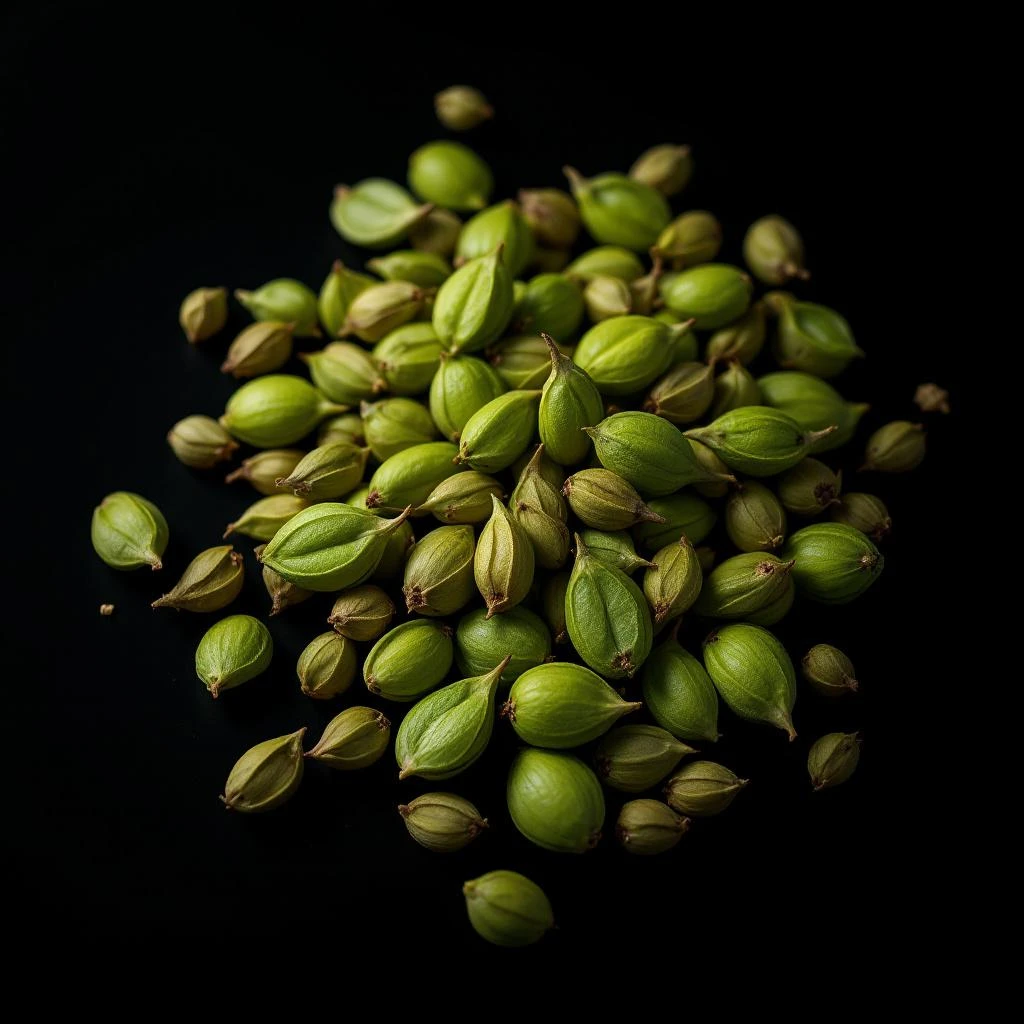

Origin
China
Stone fruits rank among the oldest cultivated fruits, with peaches dating back 4,000 years to ancient China where they symbolized immortality. Apricots trace to Chinese archives from 2000 BCE, while plums accompanied humanity from prehistoric times.
Yet perfumers only began capturing these scents in the late 19th century. The breakthrough came when chemists isolated lactones from natural sources, revealing the molecular secrets behind fruit sweetness.
By the 1970s and 1980s, fruity-floral fragrances exploded in popularity, with peach and apricot notes becoming signatures of an entire era. Today, stone fruit notes remain essential in modern perfumery, valued for their ability to add warmth, sensuality, and an almost tactile quality that makes fragrances feel closer to the skin.
Wears it best
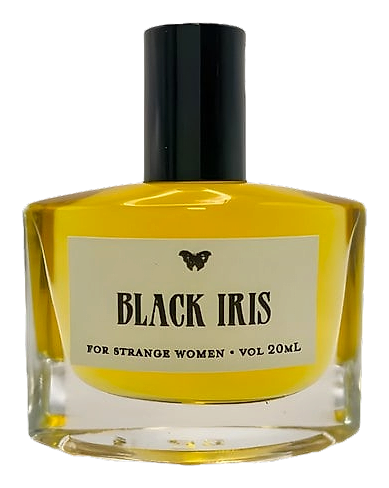
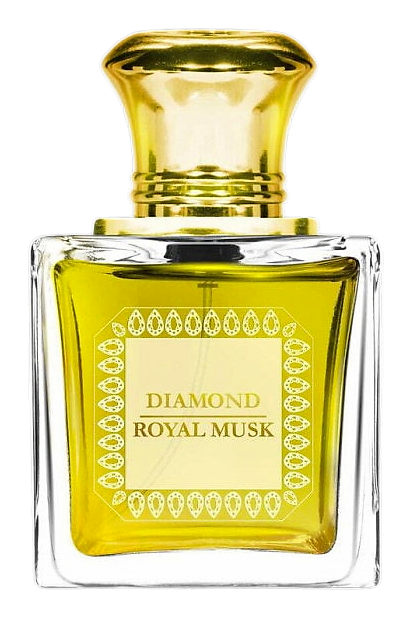
Fragrances featuring Stone Fruits

Brands
Brands known for Stone Fruits
Good to know
Questions, answered
The essentials on Stone Fruits in perfumery: how it smells, where it comes from, and how it behaves on skin.
What are stone fruit notes in perfumery?
Stone fruit notes are fragrance ingredients that recreate the scent of fruits like peach, apricot, plum, and nectarine. They add sweet, soft, and slightly tart dimensions to perfumes.
Are stone fruit notes natural or synthetic?
Most stone fruit notes are synthetic, created from lactones that replicate natural fruit scents. Natural stone fruit absolutes exist but cost several hundred dollars per kilogram.
What compound creates the peach scent?
Gamma-decalactone creates the signature peach scent. This lactone compound occurs naturally in ripe peaches and was first isolated in the early 20th century.
Which famous fragrances feature stone fruit notes?
Many designer and niche fragrances feature stone fruit notes, particularly peach. These notes work especially well in women's fragrances and fruity-floral compositions.
How long do stone fruit notes last on skin?
Stone fruit notes are typically heart-to-drydown ingredients, lasting 2-4 hours on skin. They tend to project more softly than citrus or floral notes.
What scent families pair well with stone fruit?
Stone fruit notes pair naturally with florals like rose and jasmine, warm woods, musks, and vanillas. They also complement other fruits in modern fruity accords.
When did stone fruit notes become popular in perfumery?
Stone fruit notes gained popularity in the 1970s and 1980s with the rise of fruity-floral fragrances, becoming mainstream after synthetic lactones became commercially available.
Do stone fruit notes smell different from each other?
Each stone fruit has a distinct character: peach is velvety and sweet, apricot adds tartness, plum brings depth and darkness, while nectarine leans crisper and greener.