Green Leather
A bold character note that fuses the raw warmth of tanned leather with crisp, verdant freshness. This modern perfumery creation captures the scent of fresh leather under open sky, where traditional leather accord meets living plant matter.

Character
How it smells
Leather meets the forest floor.
Green Leather note captures the smell of leather drying in morning air, before it develops its full barnyard depth.
Pairs beautifully with
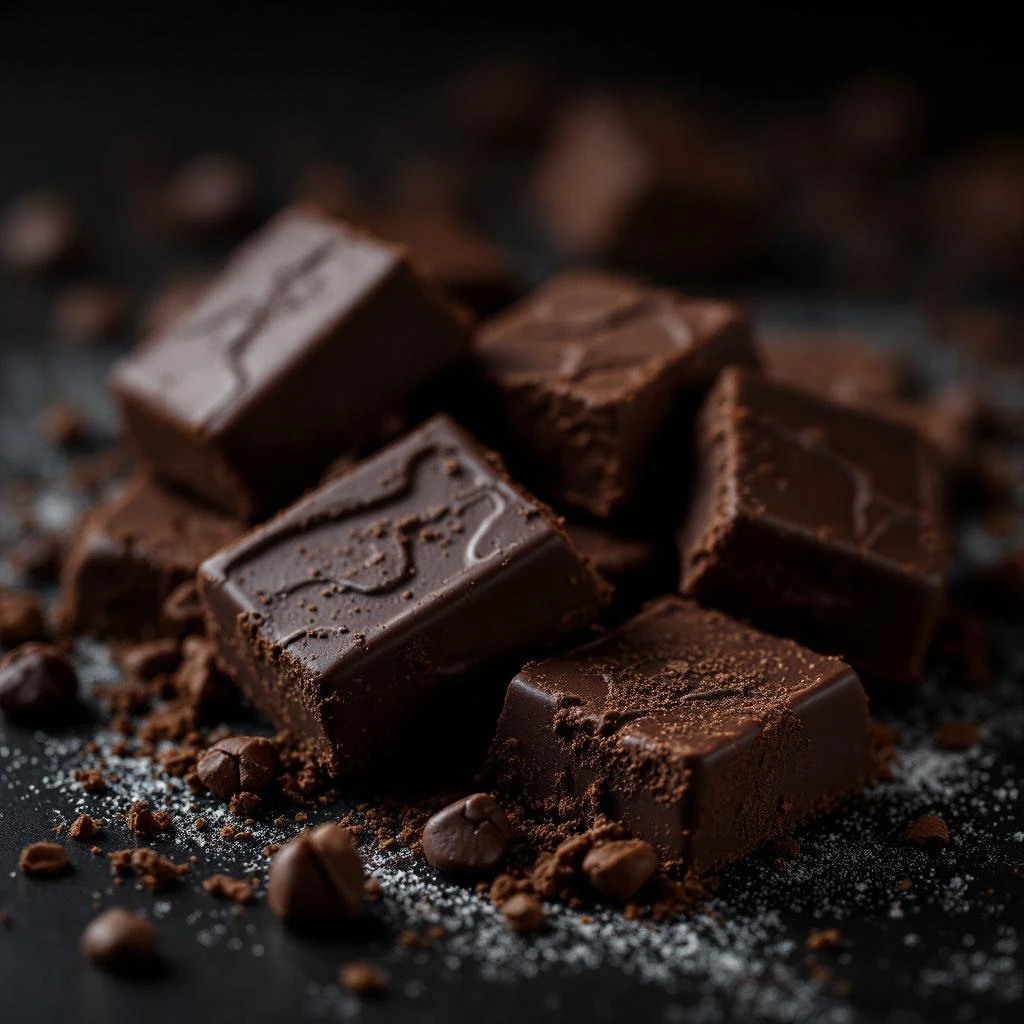
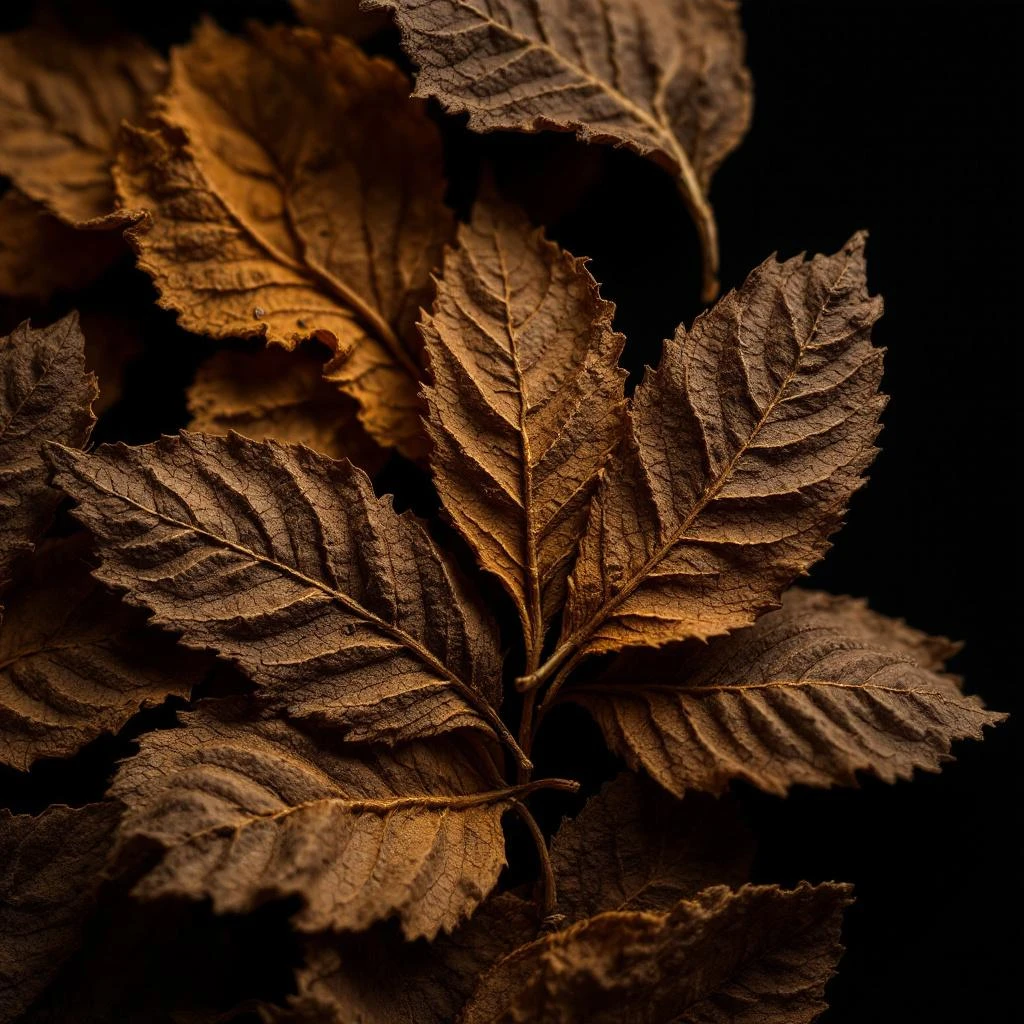

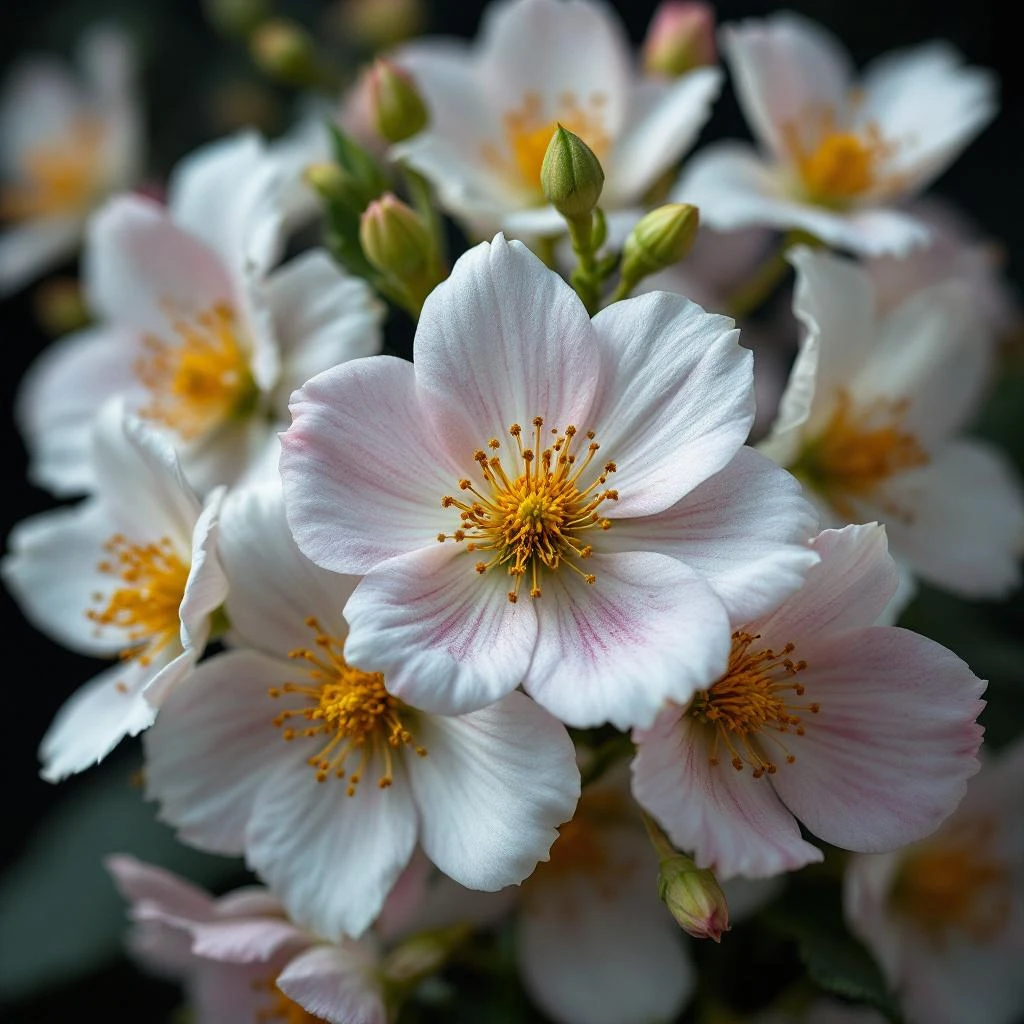
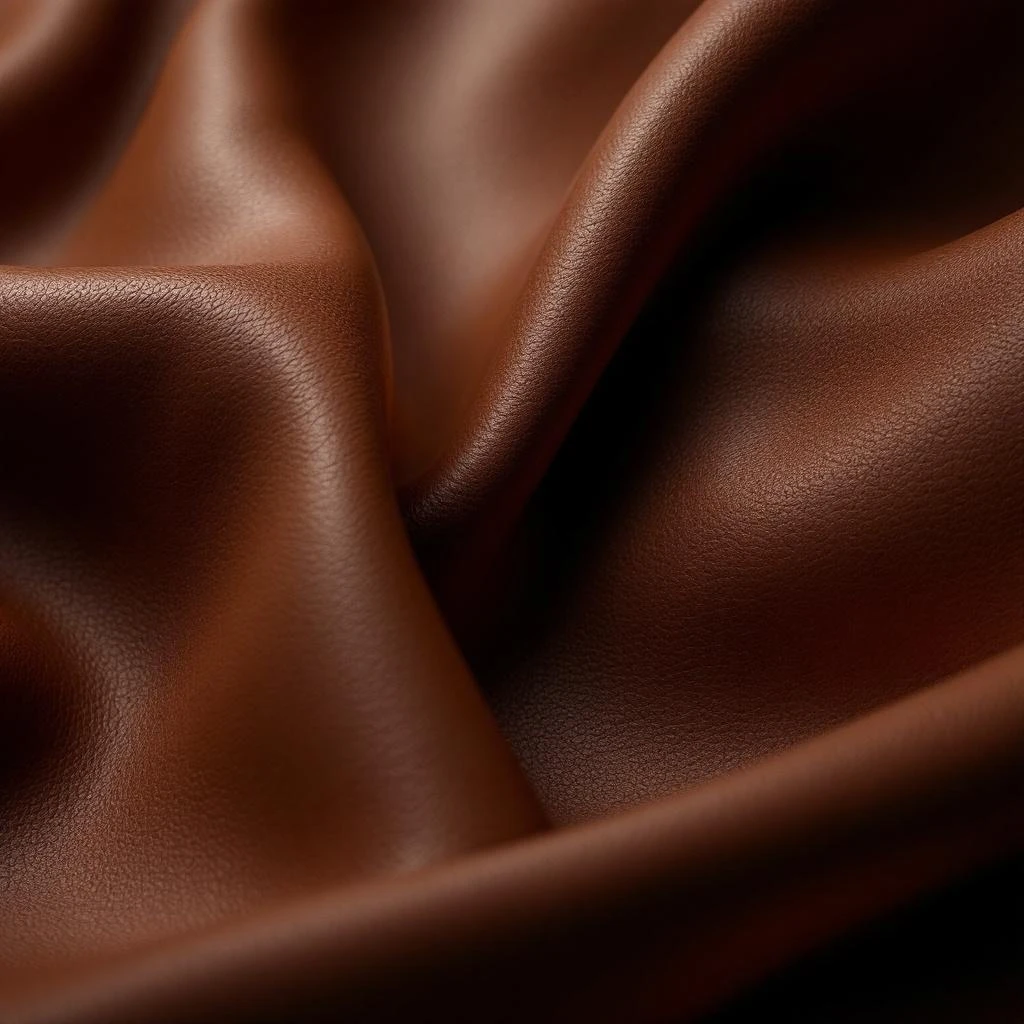
Origin
France
The marriage of leather and green notes traces to 17th-century Europe, when perfumers first masked the harsh odors of tanned leather goods. Tanners used birch bark and oak bark in their processes, and glove perfumers in Grasse began scenting leather gloves with aromatic oils. As synthetic chemistry advanced in the late 19th century, perfumers gained new tools to evoke leather without the animal products.
The Green Leather character emerged mid-20th century, when masculine fragrances sought sophistication beyond single-note compositions. This accord became a cornerstone of chypre and fougère structures, grounding herbal freshness in tactile leather warmth.
Wears it best
Fragrances featuring Green Leather

Brands
Brands known for Green Leather
Good to know
Questions, answered
The essentials on Green Leather in perfumery: how it smells, where it comes from, and how it behaves on skin.
What does Green Leather smell like?
Green Leather combines warm, tactile leather with sharp green accents. Expect notes of fresh-cut wood, violet leaf, and a subtle tarry edge reminiscent of birch bark. The green aspect provides lift and freshness that prevents the leather from becoming heavy or animalic.
Is Green Leather a natural ingredient?
No. Green Leather is a constructed accord made by blending multiple aromatic materials, both natural extracts and synthetic molecules. Perfumers build this character by combining leather-typed materials with green, fresh components to achieve the specific effect.
Which fragrances feature Green Leather prominently?
Many masculine fragrances from the 1970s onward use Green Leather as a character note. The chypre and fougère families commonly feature this accord. Its versatility also makes appearances in unisex and feminine fragrances seeking an unexpected edge.
How is the leather part of Green Leather created?
Leather notes in the accord typically come from birch tar, which provides smoky, leathery character. Other sources include ciste absolute, labdanum, and modern synthetics like Veratraldehyde. These materials create the dry, tanned hide effect without requiring actual animal products.
What gives Green Leather its fresh, green quality?
Green facets come from materials like galbanum resin, violet leaf absolute, and oakmoss. These contribute crisp, vegetable, and slightly bitter notes that evoke fresh herbs, crushed leaves, and the scent of plants growing near leather goods.
When did Green Leather become a standard perfumery accord?
Mid-20th century. As synthetic chemistry developed and consumer preferences shifted toward complex compositions, perfumers began systematically combining leather and green notes. This became especially common in masculine fragrance development during the 1960s and 1970s.
Can Green Leather be used year-round?
Yes, though it performs best in cooler seasons. The leather component provides warmth for autumn and winter, while the green elements add freshness suitable for spring. Summer use may feel heavy unless balanced with citrus or aquatic notes.
Is Green Leather suitable for sensitive skin?
The accord contains various materials that may trigger sensitivities in some individuals. Birch tar and certain synthetic leather molecules require careful dilution. Those with fragrance sensitivities should test before wearing and consider consulting ingredient lists for specific components.