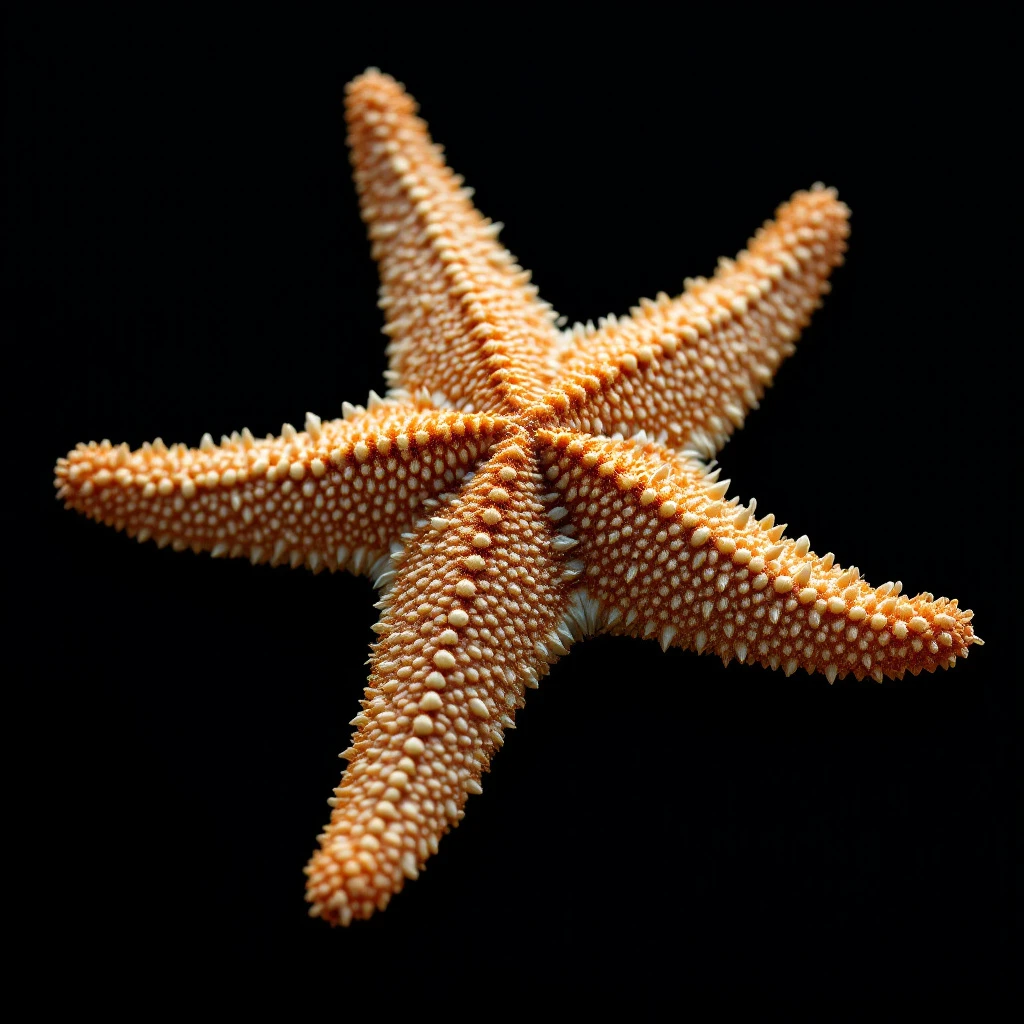
Starfish
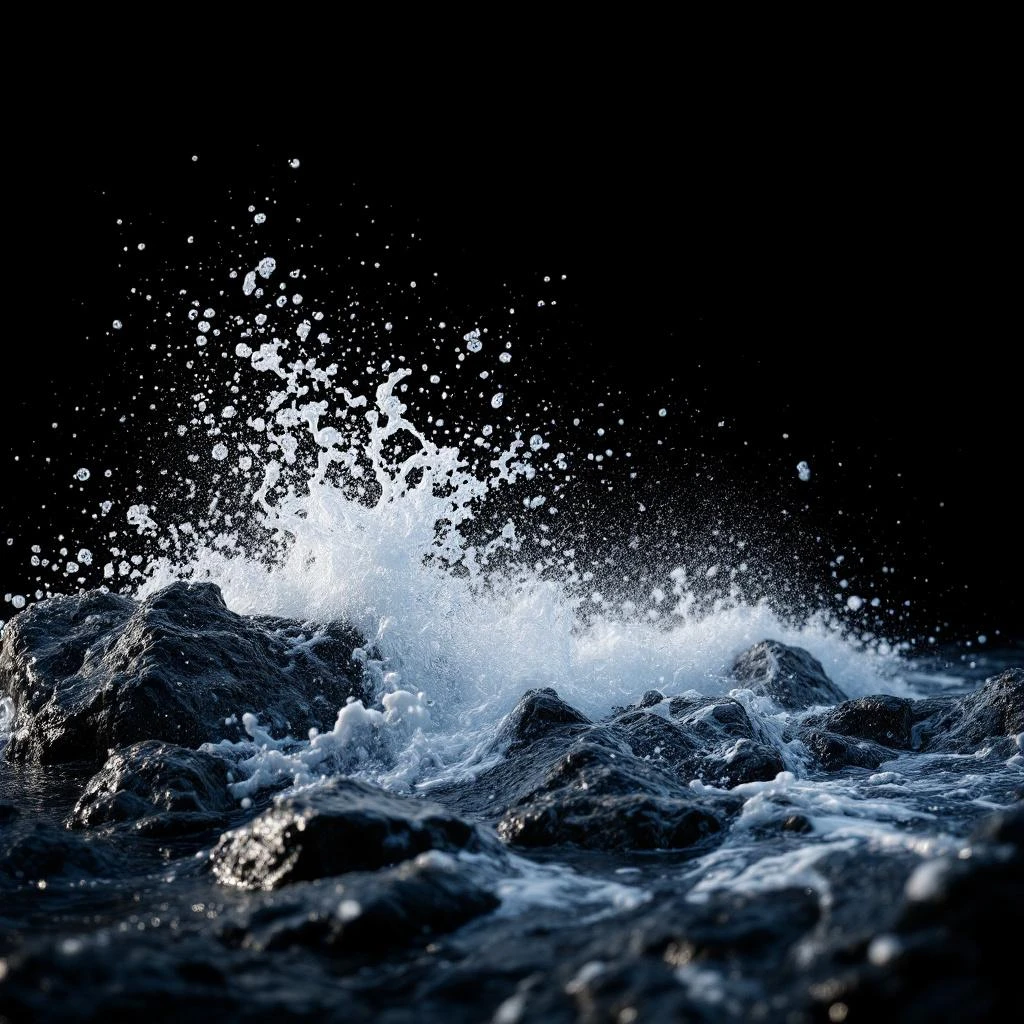
Starfish is not an extracted perfumery ingredient but a conceptual marine note evoking the briny, iodine-rich scent of the intertidal zone where ocean meets rock.
Character
How it smells
The tidal whisper of a conceptual marine note
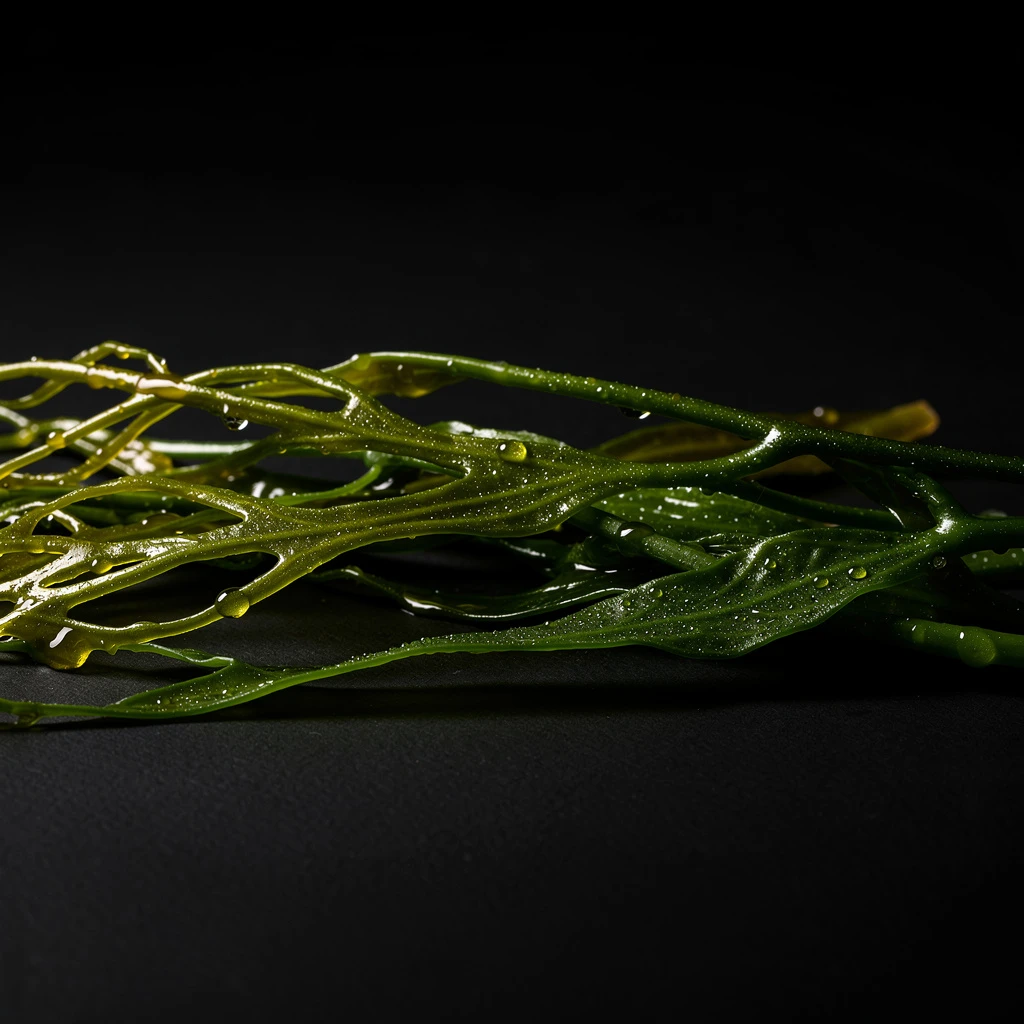
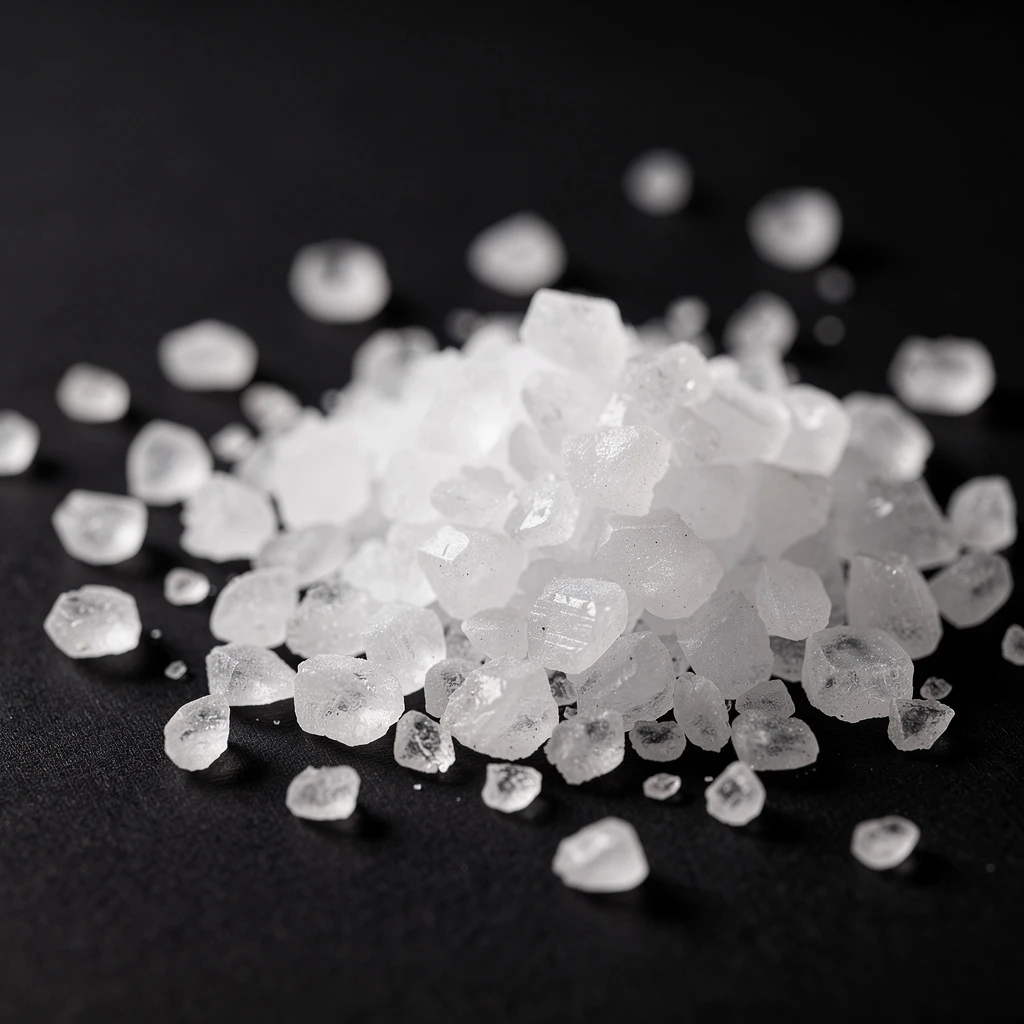
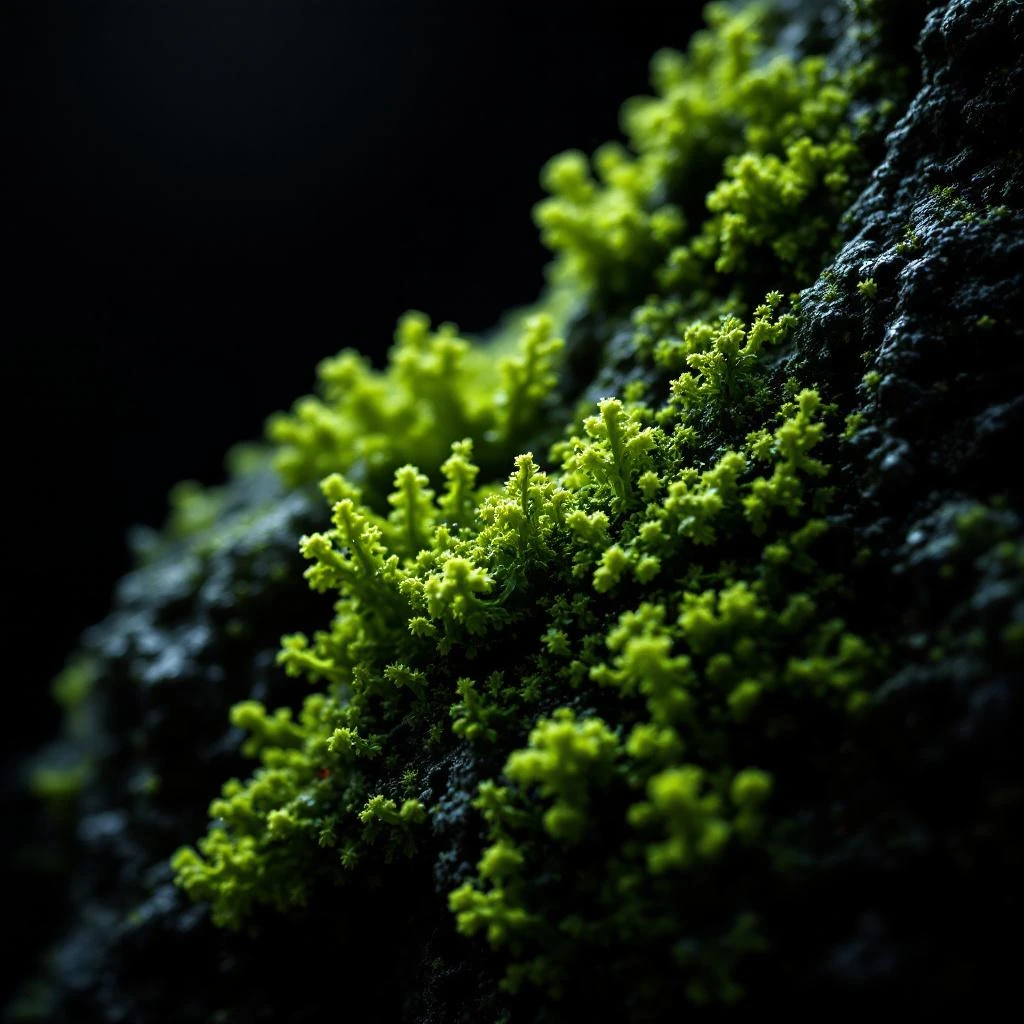
No actual starfish are harvested for perfume; the note is built synthetically from seaweed, salt, and ambergris-style molecules to evoke sea life.





Origin
France
Marine accords have flickered through perfume history since the early 1990s, when perfumer Jean Guichard introduced l'Eau d'Issey and the perfumer Patrick Goutkin developed Eau de Chrome, both built around Calone, a molecule developed at Pfizer in the 1960s and 1960s-70s that smelled of melon rind and open ocean. Before that, perfumers who wanted sea referenced ambergris, the waxy digestive secretion of the sperm whale, prized since the Renaissance for its saline, animalic depth.
The specific idea of starfish as a named note, however, emerged only recently as niche perfumers chased ever more literal interpretations of nature. Unlike rose or oud, starfish carries no centuries-old trade route, no temple offering, no imperial court record.
It belongs to a newer tradition where the perfumer invents the ingredient by naming an impression, then builds the chemistry to match. The note exists because creative directors wanted the poetry of tide pools in a bottle.
Wears it best
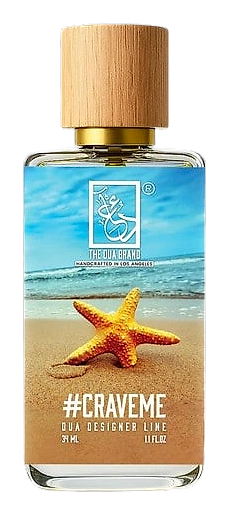
Fragrances featuring Starfish
Brands
Brands known for Starfish
Good to know
Questions, answered
The essentials on Starfish in perfumery: how it smells, where it comes from, and how it behaves on skin.
Is starfish a real perfume ingredient?
No actual starfish are used in perfumery. The note is a conceptual accord built from synthetic oceanic molecules like Calone, seaweed extracts, and trace animalic bases that together evoke the intertidal zone.
What does starfish smell like in perfume?
Starfish notes typically read as briny, iodine-rich, and mineral-cool, layered with faint seaweed sweetness and a subtle animalic warmth reminiscent of damp tide pools at low water.
Which molecules create the starfish effect?
Perfumers most often rely on Calone for the cold oceanic lift, supplemented by seaweed absolute, salt accords, and small doses of ambergris replacers for depth and salinity.
When did starfish appear in perfumery?
The specific starfish note emerged in the 2010s within niche fragrance, building on earlier marine accords like l'Eau d'Issey from 1992, which popularized Calone-based ocean scents.
Are marine perfumes cruelty-free?
Most starfish-style fragrances are entirely synthetic or plant-supported, involving no animals. They avoid the ethical concerns of older marine notes historically tied to ambergris, a whale-derived material.
Is starfish similar to seaweed in perfume?
Seaweed contributes vegetal saltiness and green iodine notes to a starfish accord, but starfish adds cooler, mineral, and slightly animalic facets that pure seaweed lacks.
Do any mainstream perfumes feature a starfish note?
Starfish appears primarily in niche and indie lines rather than mainstream designer launches, where broader marine accords built on Calone remain far more common.
Why do perfumers create conceptual ingredients like starfish?
Conceptual notes let perfumers translate sensory impressions, a memory, a place, a texture, into wearable scent without requiring a literal botanical or animal source.