Smoked Thyme
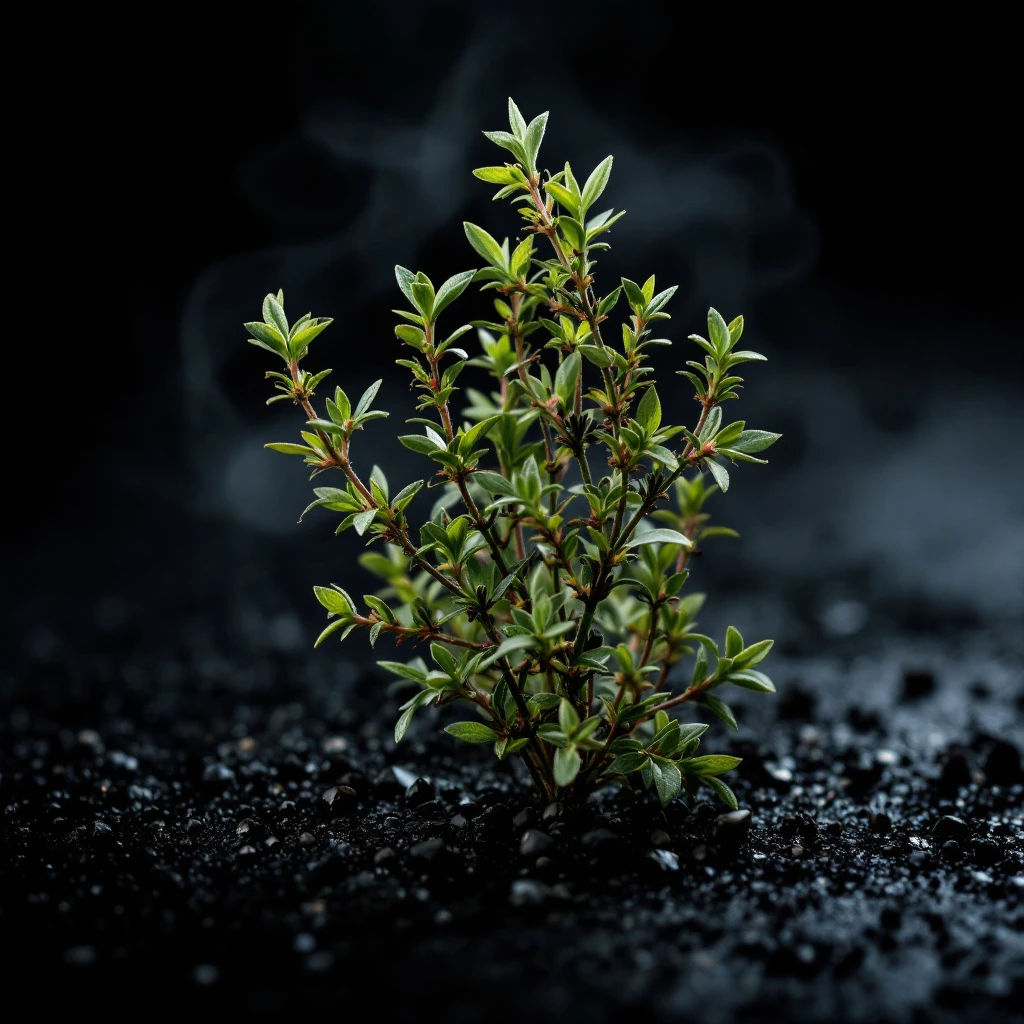
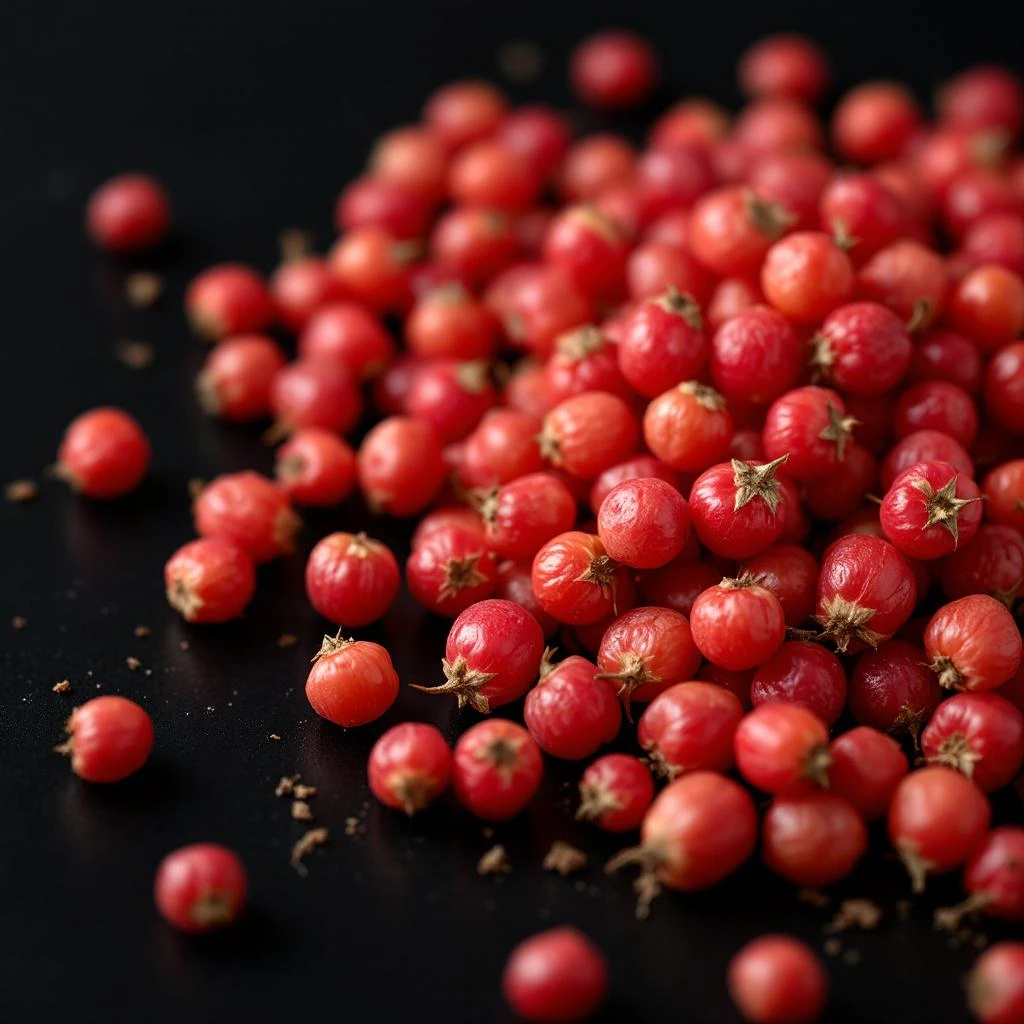
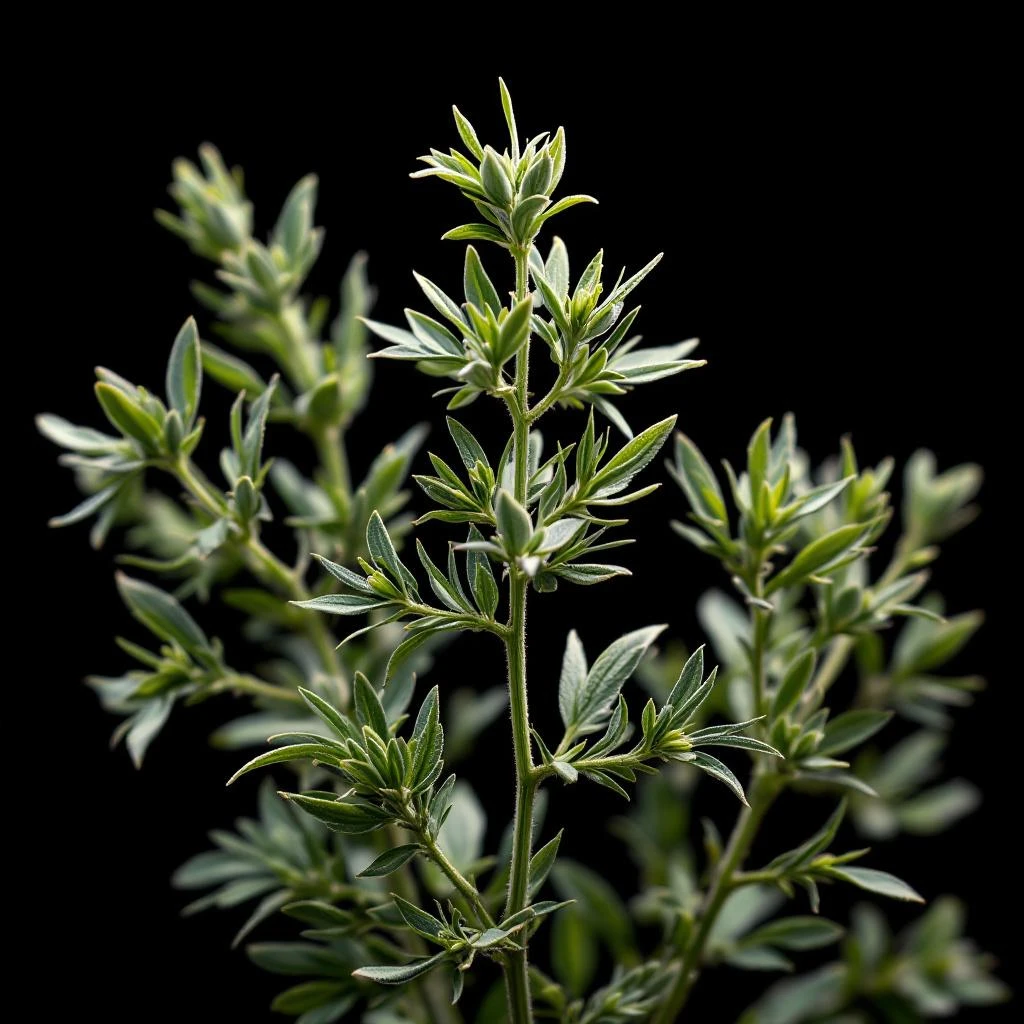
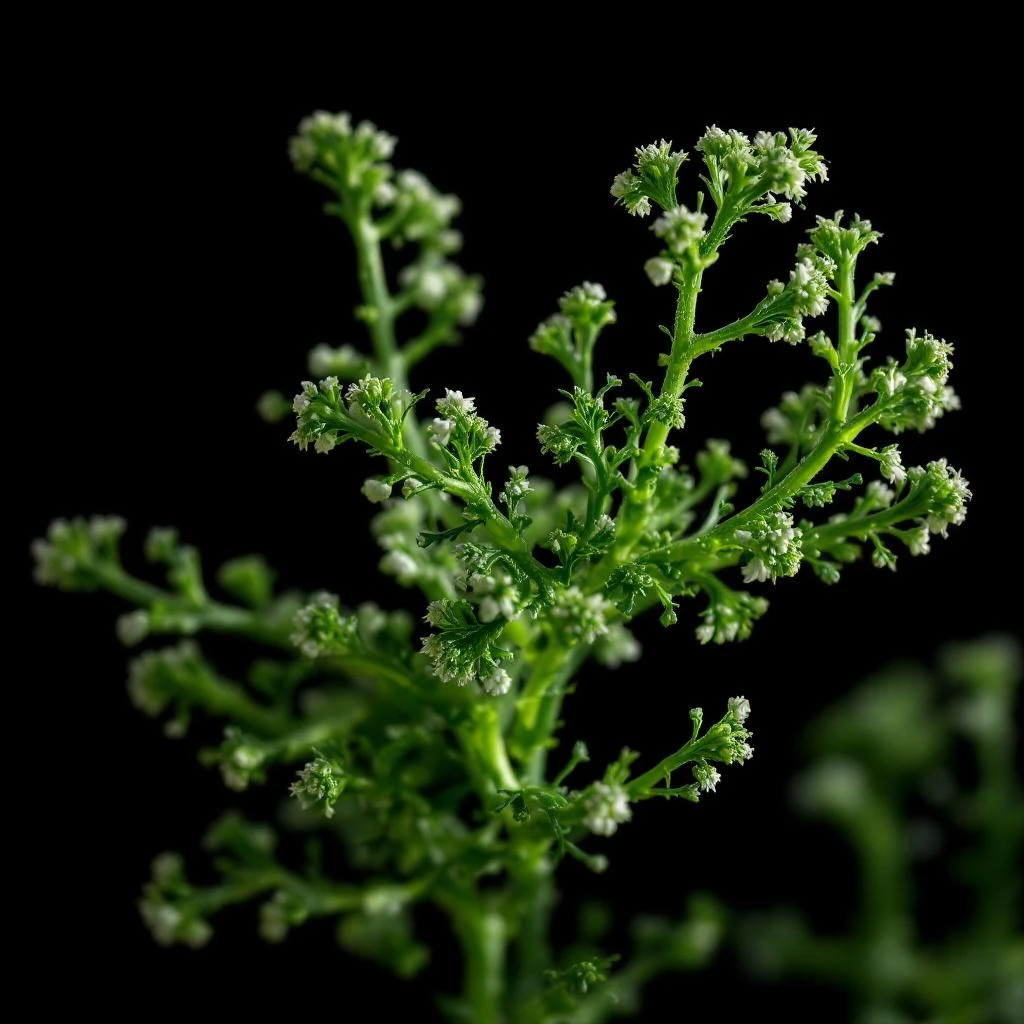
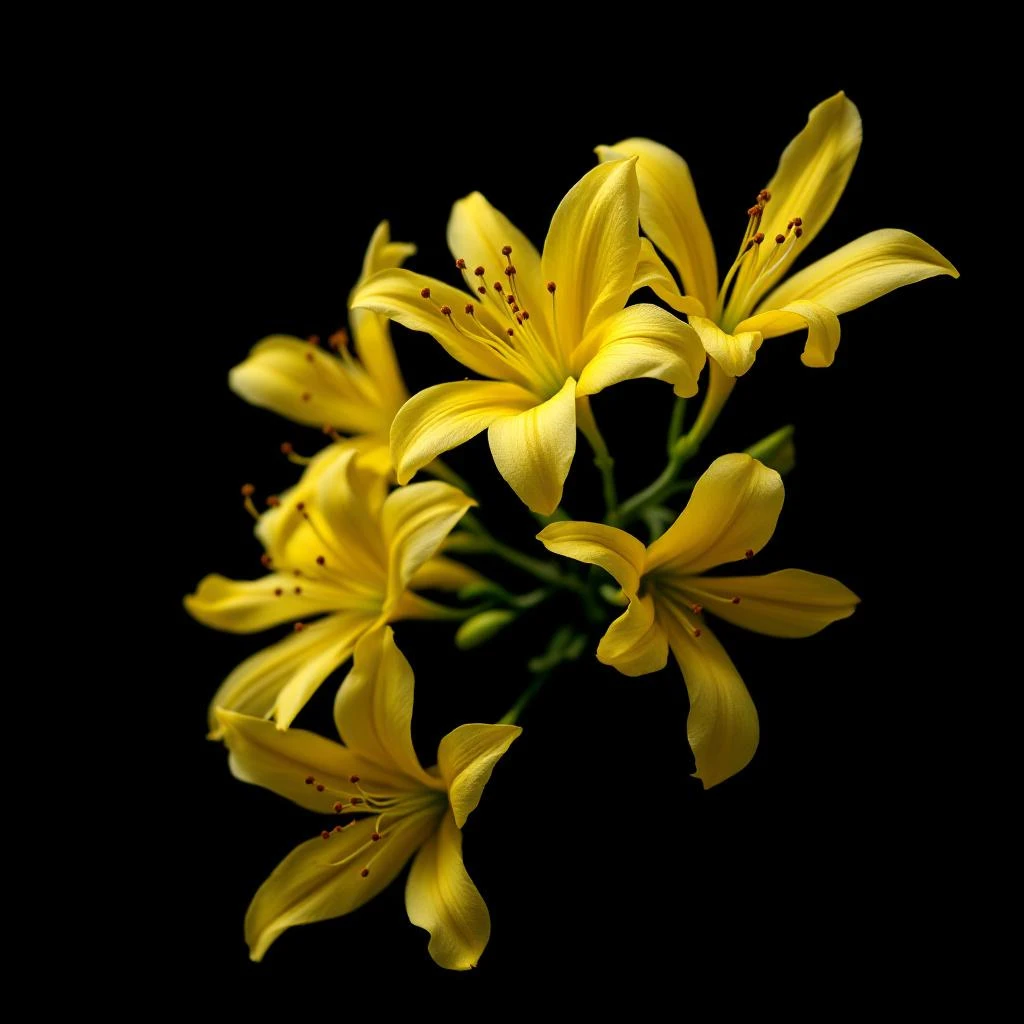
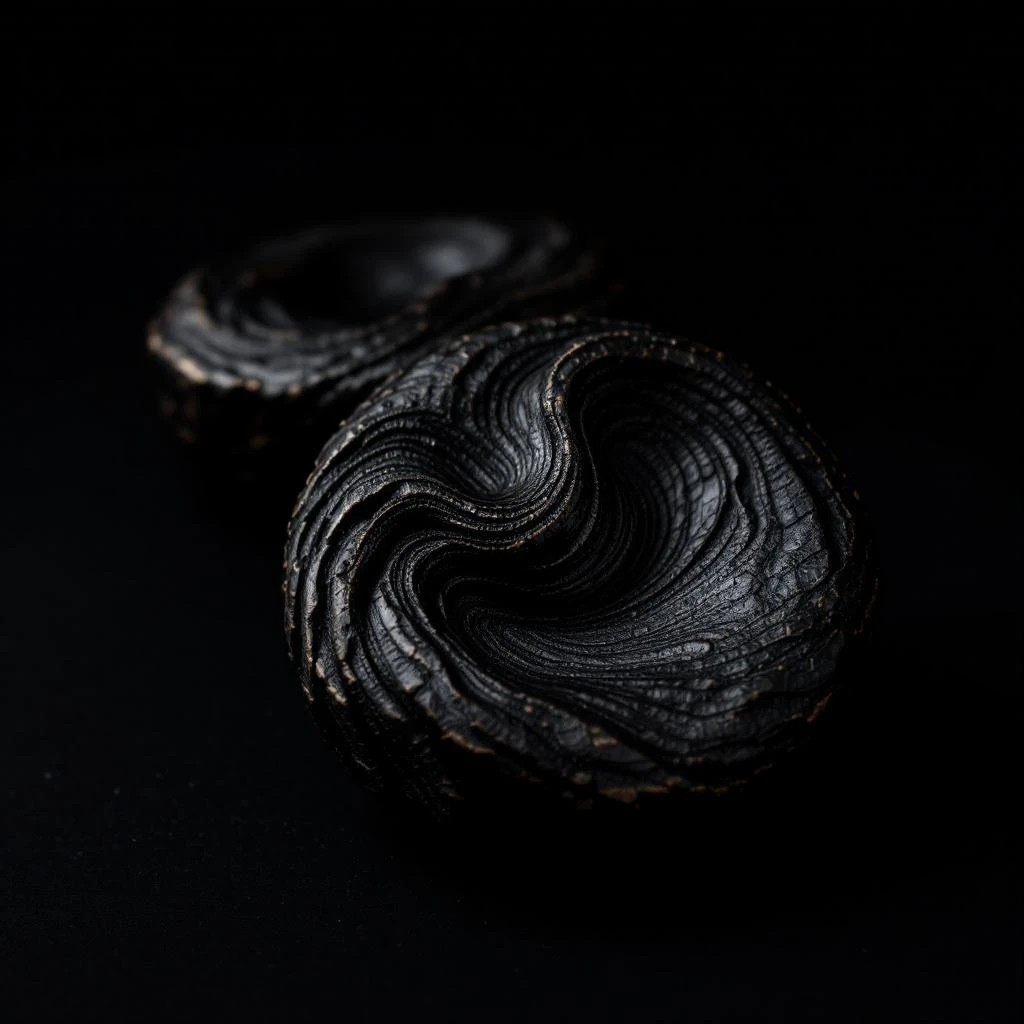
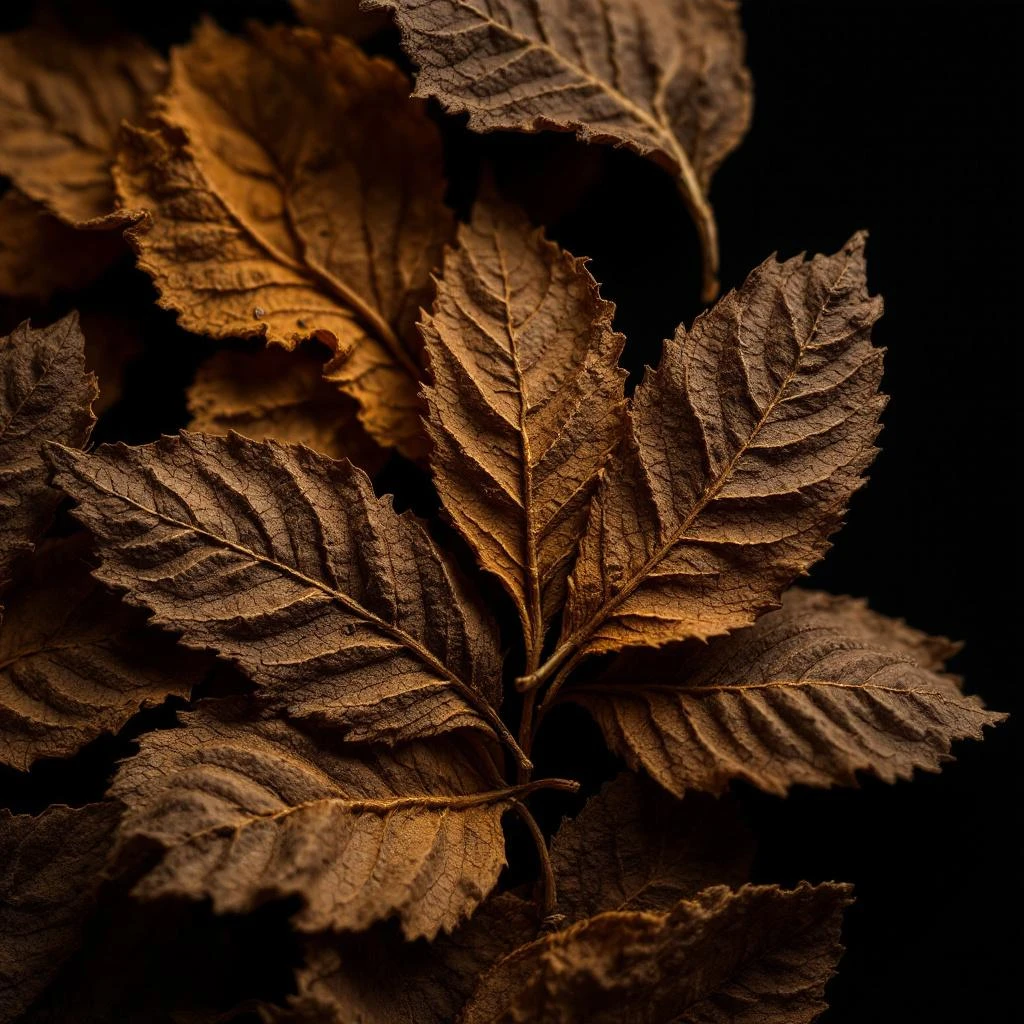
Smoked thyme carries the herbal backbone of Mediterranean Thymus vulgaris wrapped in a dry, wood-fire accent. The result reads savory and green at first, then deepens into resinous warmth with hints of charred grass and damp earth.
Character
How it smells
Herbal greens darkened by woodsmoke
Smoked thyme is not a separate plant species; perfumers achieve the effect by infusing thyme oil over smoldering oak chips or blending it with birch tar distillate.

Origin
Spain
Thyme has scented human spaces for at least four thousand years. Archaeological work on Egyptian perfume residues from the second millennium BCE identified thyme among the botanicals pressed into balms alongside lavender, rosemary, and pine resin.
The ancient Greeks burned thyme in temples and added it to bathwater, while Pliny the Elder documented its use in fragrant oils and medicinal preparations in the first century CE. Across the Mediterranean, wild thyme anchored folk formulations for incense, embalming, and seasoning.
The smoked variant emerged later, shaped by regional preservation techniques where herbs were dried over hearth fires. European perfumers in the late nineteenth century began isolating these smoky impressions, eventually translating them into modern fragrance accords.
Wears it best
Fragrances featuring Smoked Thyme
Brands
Brands known for Smoked Thyme
Good to know
Questions, answered
The essentials on Smoked Thyme in perfumery: how it smells, where it comes from, and how it behaves on skin.
What does smoked thyme smell like in perfume?
Smoked thyme opens with green herbal sharpness layered over dry, charred wood. The thyme oils contribute thymol and carvacrol, giving the note a savory, slightly medicinal warmth that settles into a resinous drydown.
How is smoked thyme different from regular thyme?
Standard thyme essential oil delivers a bright, medicinal herbal character. Smoked thyme adds phenolic compounds from hardwood smoke, producing a darker, earthier profile that reads closer to lapsang tea than fresh garden herb.
Is smoked thyme a natural or synthetic ingredient?
Most smoked thyme notes are produced naturally by steam-distilling thyme and exposing the oil to smoldering oak or beech. Some compositions use birch tar or cade oil as a natural smoke source for consistency.
What fragrance families feature smoked thyme?
Smoked thyme appears most often in woody aromatic and fougère compositions, where its herbal smoke bridges green top notes with resinous bases like labdanum, vetiver, and oud.
When did thyme first appear in perfumery?
Thyme appears in Egyptian perfumery from the second millennium BCE, where it was pressed into balms alongside lavender and pine resin. Its modern smoked interpretation developed in European perfumery during the late 1800s.
Which compounds give smoked thyme its distinctive scent?
The core herbal character comes from thymol and carvacrol, two phenols dominant in Thymus vulgaris oil. The smoke dimension derives from guaiacol and syringol, aromatic compounds released during low-temperature wood combustion.
Is smoked thyme safe for sensitive skin?
Thyme oil contains high thymol concentrations that can irritate sensitive skin at elevated doses. Most finished fragrances dilute smoked thyme below 1 percent, keeping it within safe dermal limits for most users.
What notes pair well with smoked thyme?
Smoked thyme blends naturally with bergamot and rosemary in top notes, settles well against frankincense and labdanum in the heart, and grounds beautifully on vetiver, patchouli, or smoked birch in the base.