Sheep's Wool
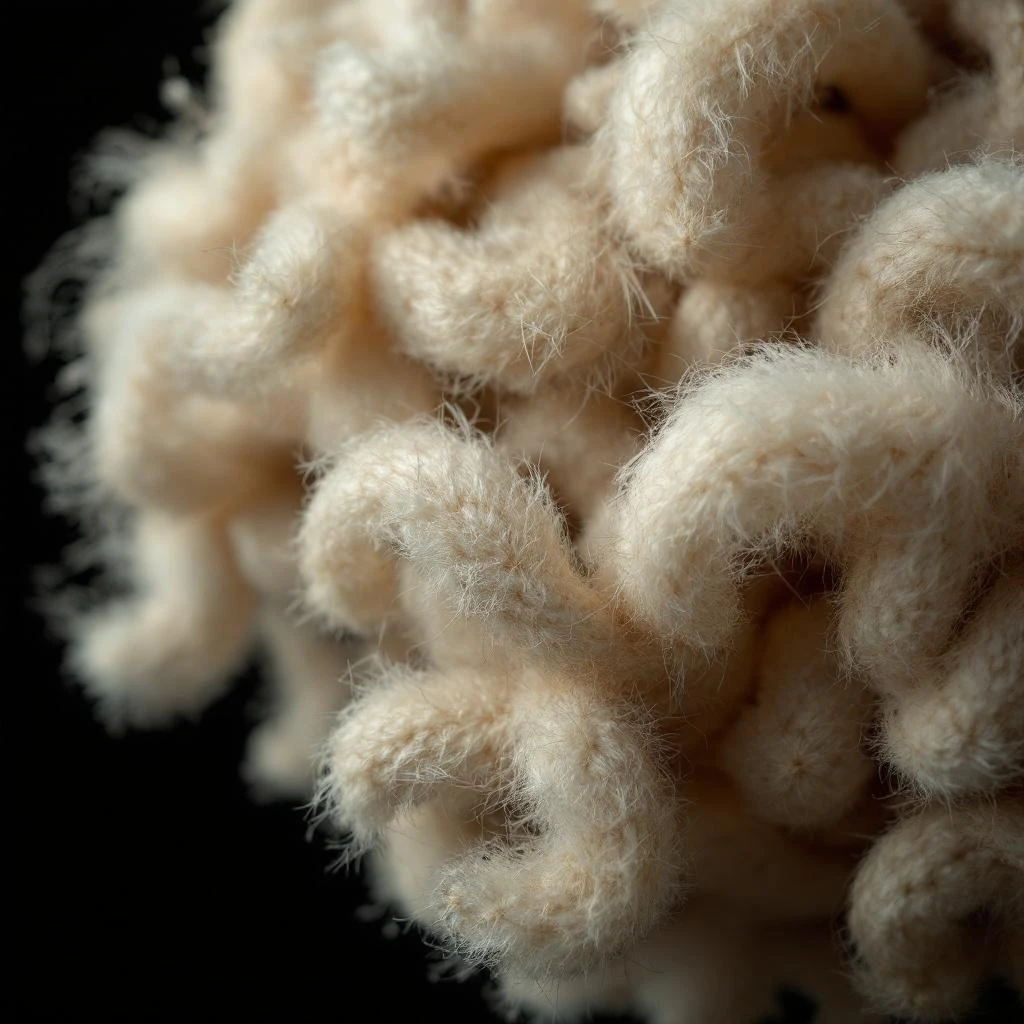
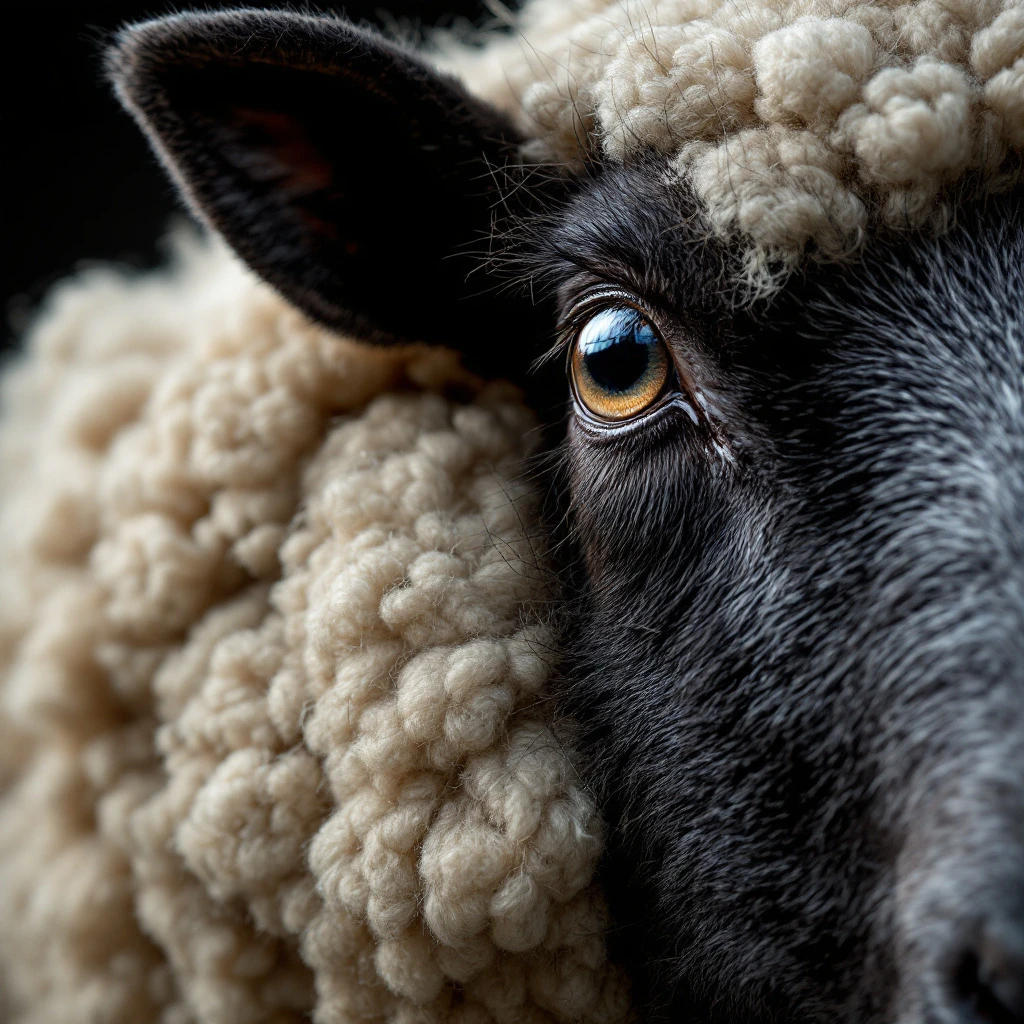
Sheep's wool absolute captures the raw, warm scent of lanolin and unwashed fleece. This unusual animal-derived note brings an earthy, farmyard authenticity to niche compositions that crave something untamed and real.
Character
How it smells
Lanolin, fleece, and raw pastoral warmth
Wool absolute retains traces of the pastoral environment where the sheep lived, meaning its scent profile shifts subtly depending on the region, diet, and season of the animals.





Origin
United Kingdom
Animal-derived ingredients have shaped perfumery since antiquity, when civilizations valued musks, civet, and castoreum for their fixative qualities and sensory depth. Sheep's wool entered the perfumer's palette much later, as industrial processing of wool became widespread in the 19th and 20th centuries. Lanolin itself was isolated and studied during this period, and observant perfumers recognized that unwashed fleece carried a distinctive aromatic character worth preserving.
The development of solvent extraction techniques in the early 20th century made it possible to capture this scent in concentrated form, producing wool absolute as a niche material for avant-garde compositions. Historically, wool absolute appeared in experimental fragrances and artisanal creations rather than commercial launches, valued by perfumers seeking unconventional base notes. Its farmyard, almost barn-like character earned it a reputation as a challenging ingredient, but one capable of grounding bright florals and spices in something visceral and earthy.
Today, wool absolute appears occasionally in independent perfumery, where creators prize its rawness and connection to pastoral landscapes.
Wears it best
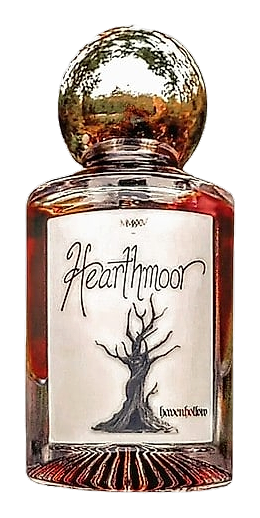
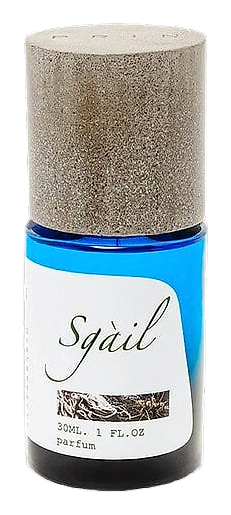
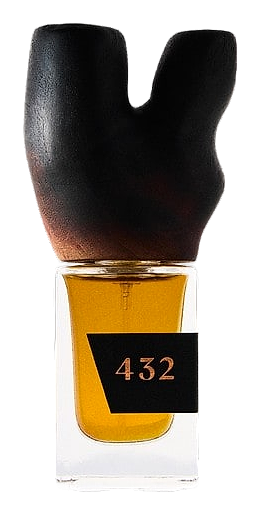
Fragrances featuring Sheep's Wool
Brands
Brands known for Sheep's Wool
Good to know
Questions, answered
The essentials on Sheep's Wool in perfumery: how it smells, where it comes from, and how it behaves on skin.
What does sheep's wool smell like in perfume?
Sheep's wool absolute smells warm, waxy, and distinctly animalic, with lanolin richness, hay-like notes, and a subtle farmyard character. It reads as raw and earthy rather than clean, making it an unconventional base note in niche compositions.
Is sheep's wool absolute cruelty-free?
Sheep's wool is a byproduct of the wool industry, so no animals are killed specifically for this ingredient. However, ethical concerns remain regarding wool farming practices, which vary significantly by producer and region.
How is sheep's wool absolute extracted?
Producers use solvent extraction on raw, unscoured wool to capture lanolin and aromatic compounds. The resulting concrete undergoes alcohol washing to isolate the pure absolute, yielding a dark, dense material with a potent scent.
Why do perfumers use sheep's wool absolute?
Perfumers value it for its fixative properties and ability to add warmth, depth, and an earthy realism to compositions. It anchors lighter notes and introduces a pastoral, animalic quality rarely found in plant-based ingredients.
When was sheep's wool first used in perfumery?
Wool absolute emerged in the 20th century as solvent extraction technology advanced. It gained attention among experimental perfumers seeking animalic notes beyond traditional musk and civet.
Is sheep's wool common in commercial fragrances?
Sheep's wool absolute remains rare in mainstream perfumery due to its challenging odor profile and specialized sourcing. It appears primarily in independent and artisanal fragrance houses.
Where does sheep's wool absolute come from?
Most production occurs in countries with established wool industries, including the UK, France, and Australia. The scent profile varies based on the sheep's diet, breed, and grazing environment.
What notes pair well with sheep's wool?
Sheep's wool pairs effectively with hay, tobacco, leather, oakmoss, and resins like labdanum. These combinations emphasize its pastoral warmth while balancing its raw, animalic edge.