Salicylate
Salicylates are aromatic ester compounds that bring radiant warmth and luminous expansion to fine fragrances. Found in gardenia, ylang, and tropical floral accords, these versatile ingredients form the sunlit heart of countless modern perfumes, creating that unmistakable glowing effect.

Character
How it smells
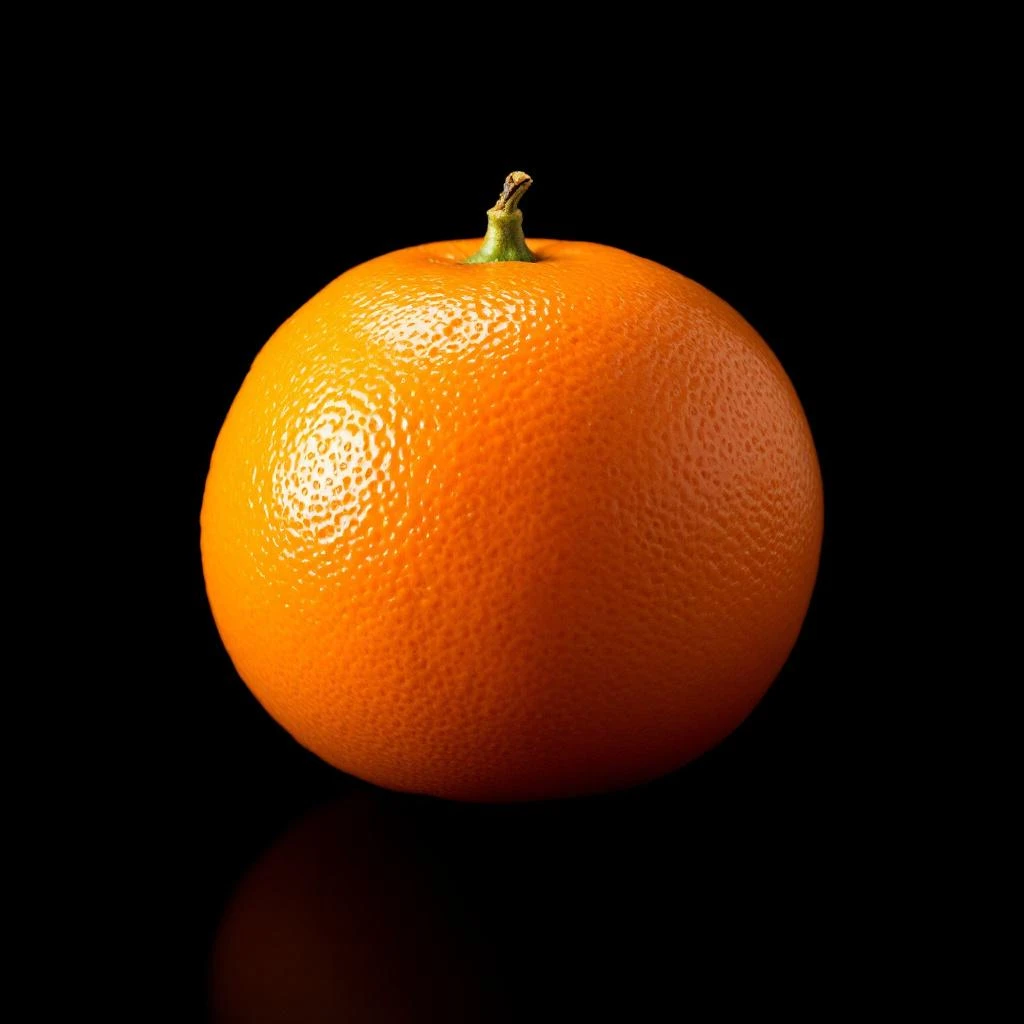
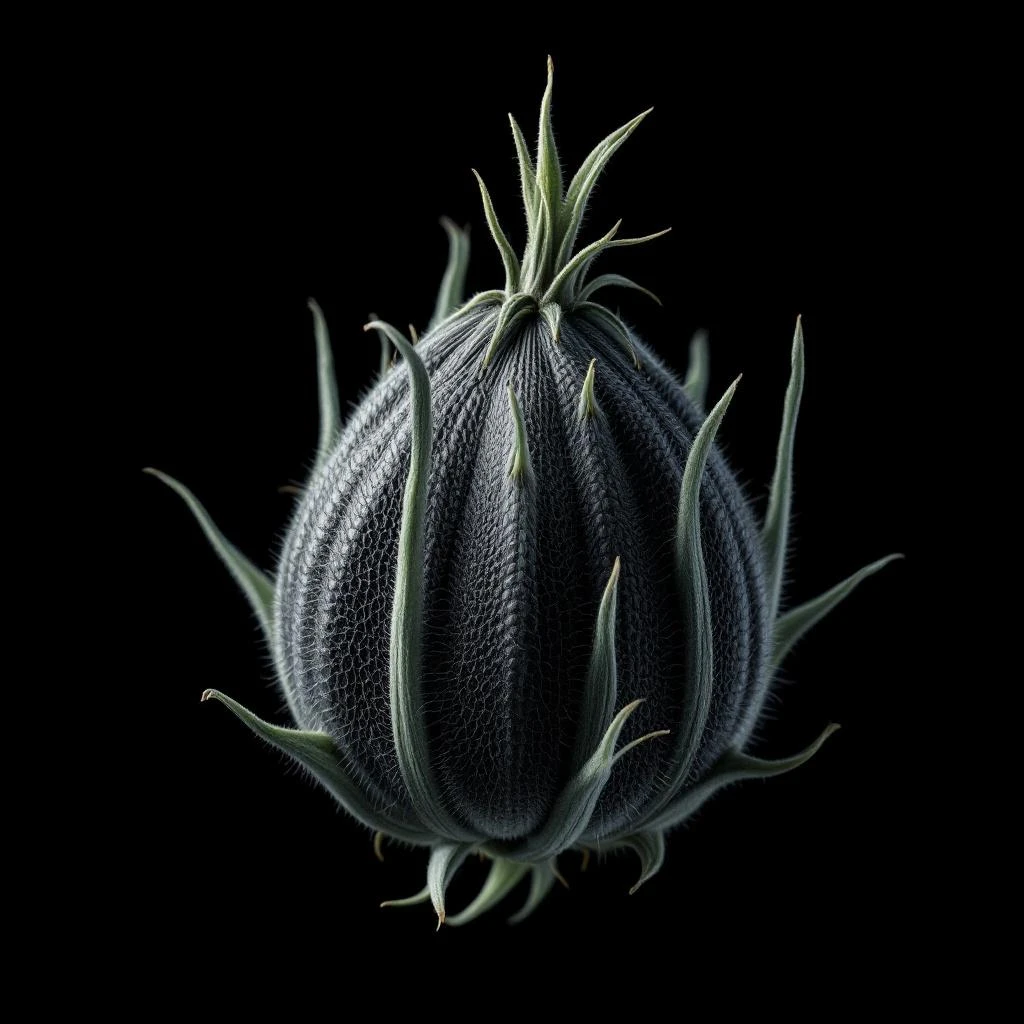
The sunshine molecules of perfumery
Legendary perfumer Guy Robert could not detect benzyl salicylate by smell alone, yet instantly recognized its presence in any blend by how the scent expanded and breathed.







Origin
France
The salicylate story intertwines natural medicine with modern perfumery. In 1843, French chemist Auguste André Thomas Cahours isolated methyl salicylate from Gaultheria procumbens, the wintergreen plant. Indigenous peoples of North America had long used wintergreen and sweet birch as mountain tea and medicinal remedies.
Perfumers discovered benzyl salicylate around 1899, quickly recognizing its extraordinary ability to enhance floral compositions. Master perfumer Luca Turin observed that salicylates transform even the most banal floral mixture into a real perfume with majestic weight and sweep. Bernand Chant noted its remarkable diffusion properties, describing how it produces a warm, sunny, exhilarating effect.
Today salicylates remain among the most utilized aroma chemicals in fine fragrance and functional products worldwide.
Wears it best
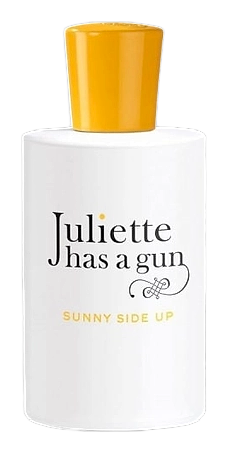
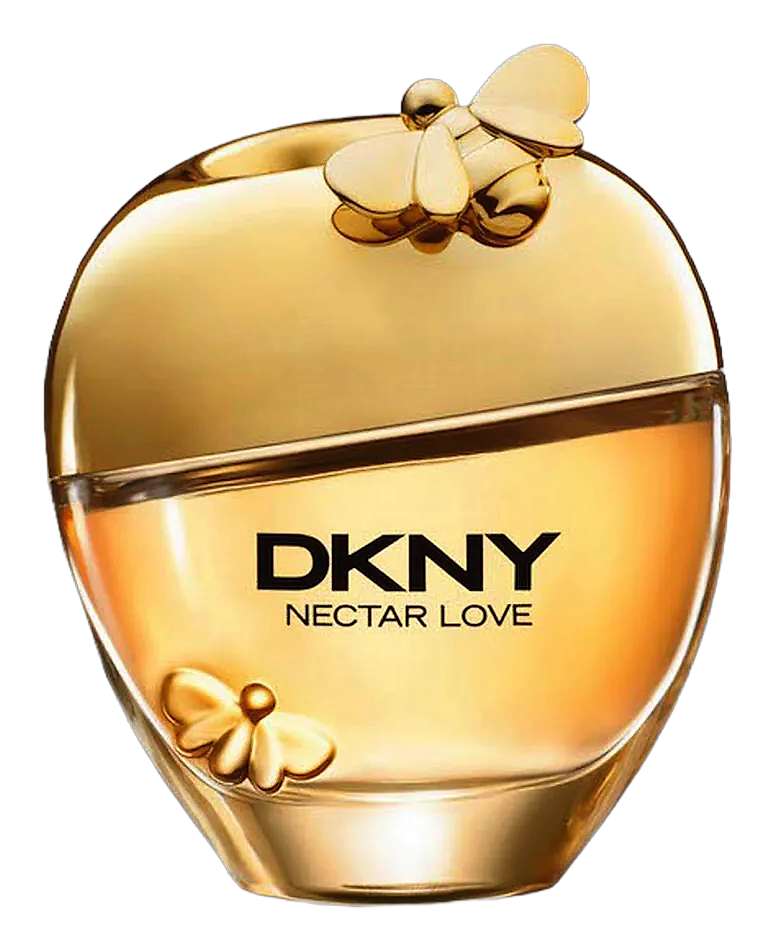
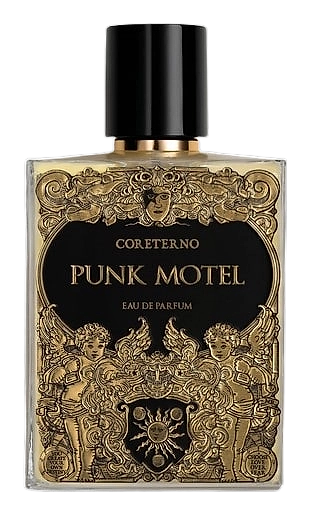
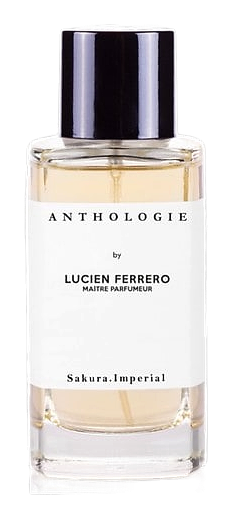
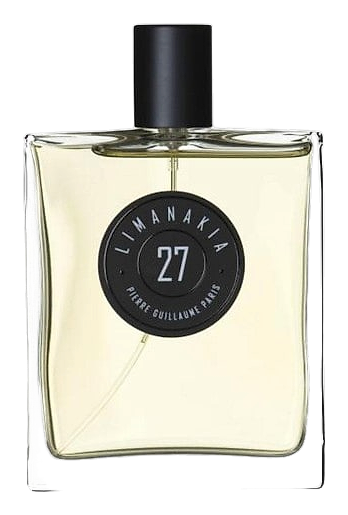
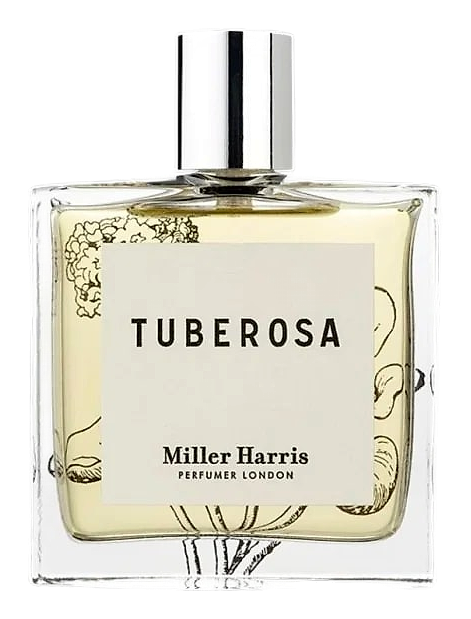
Fragrances featuring Salicylate
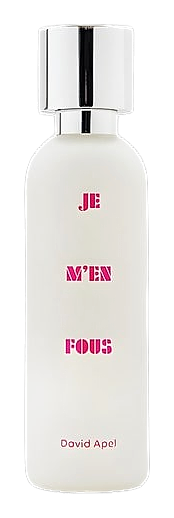
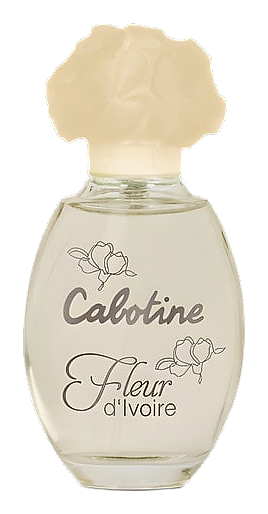
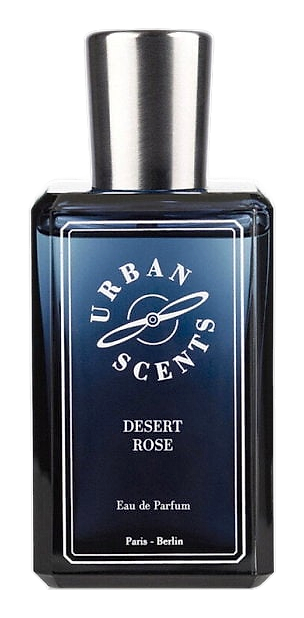
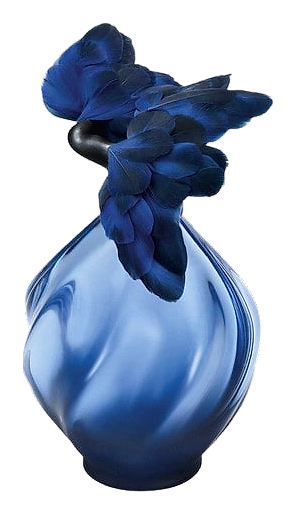
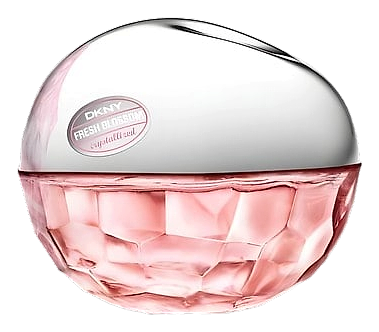
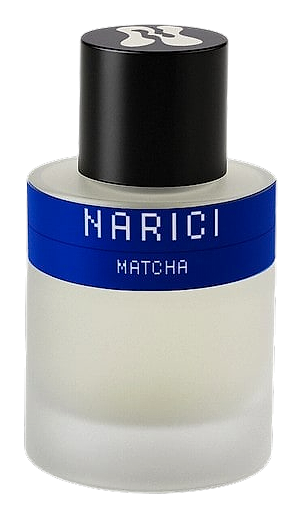
Brands
Brands known for Salicylate
Good to know
Questions, answered
The essentials on Salicylate in perfumery: how it smells, where it comes from, and how it behaves on skin.
What does salicylate smell like?
Benzyl salicylate has a mild balsamic, sweetly floral character reminiscent of creamy jasmine or ylang. Methyl salicylate carries a sweet, fruity note similar to wintergreen or root beer. Together, salicylates create a warm, radiant impression rather than a sharp floral smell.
Is salicylate natural or synthetic?
Most commercial salicylates are synthetic, produced through esterification reactions in laboratories. Methyl salicylate does occur naturally in wintergreen and sweet birch, but synthetic production dominates the fragrance industry, offering superior consistency and purity.
Why do perfumers use salicylates?
Salicylates act as diffusion enhancers that help fragrances open up and expand on the skin. They serve as ideal base materials for heavy florals like gardenia, jasmine, and ylang, adding warmth, weight, and a characteristic sunny quality to compositions.
Which fragrance families use salicylates most?
Tropical and white floral fragrances rely heavily on salicylates. Gardenia, tiaré, frangipani, and ylang-based perfumes typically showcase these compounds. They also appear in certain chypre and oriental compositions where warmth and diffusion matter.
Can some people not smell salicylates?
Yes. Anosmia to benzyl salicylate is documented among both consumers and professional perfumers. Guy Robert, one of the great modern noses, could not detect it by smell yet recognized its presence instantly by how it shaped a fragrance.
Are salicylates safe to use in perfume?
Salicylates are approved for use in fine fragrances by IFRA and regulatory bodies worldwide when used within established concentration limits. Methyl salicylate requires specific handling guidelines due to its potency.
What plants contain natural salicylates?
Wintergreen (Gaultheria procumbens), sweet birch (Betula lenta), meadowsweet (Spiraea species), and certain Polygala species produce methyl salicylate naturally. Plants release it as part of their defense signaling system against pathogens and herbivores.
Why do salicylates create a warming or solar effect?
Salicylates affect how fragrance molecules disperse and interact with skin chemistry. Their ability to bridge top notes to base materials creates an open, bright quality thatperfumers describe as sunny or warming, making compositions feel expansive rather than dense.