
The Story
Why it exists.
The beginning
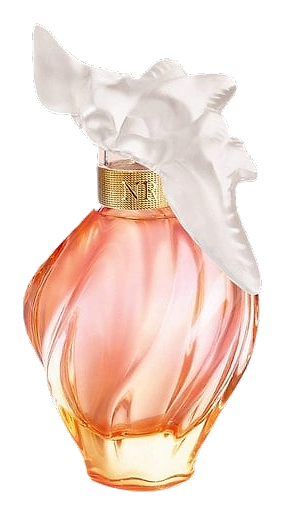
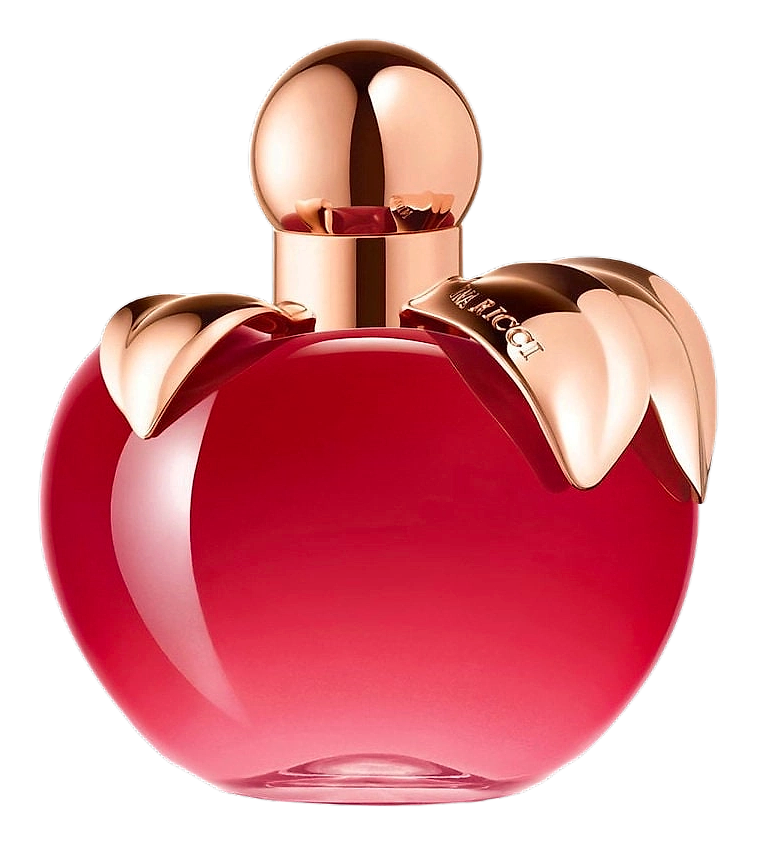
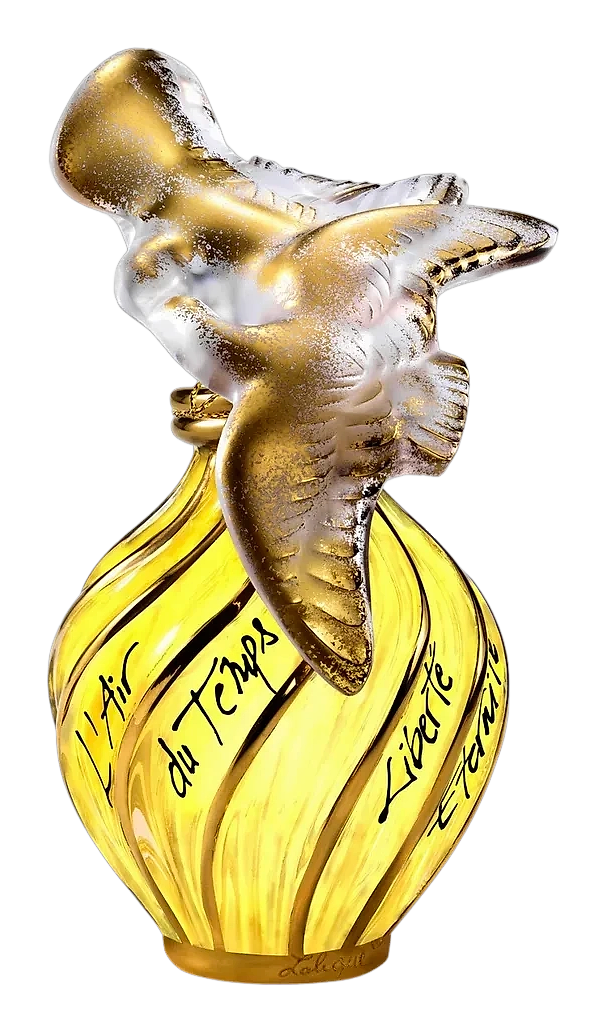
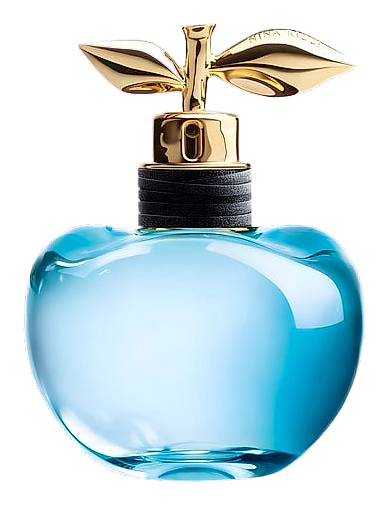
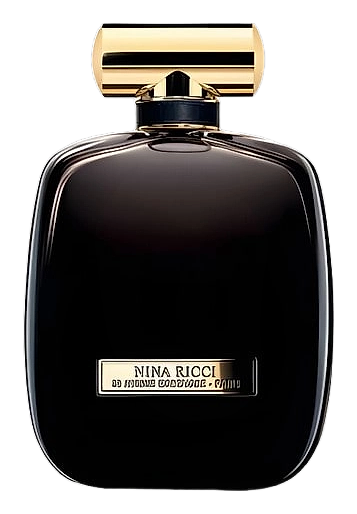
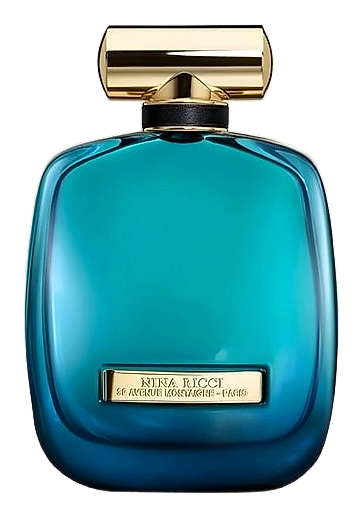
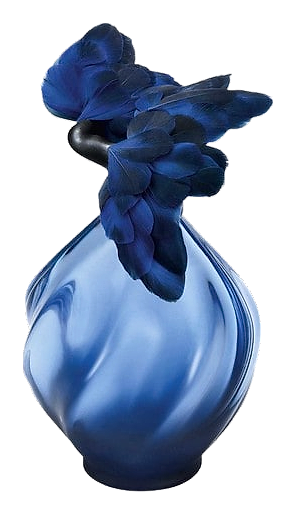
In 2016, Nina Ricci revisited its most celebrated fragrance with a trilogy. Aube, Zénith, Crépuscule, dawn, noon, dusk. Calice Becker, the nose behind the original L'Air du Temps, returned to capture the hour between day and night. Le Crépuscule translates that liminal moment into scent: not the drama of sunset, but the privacy afterward. The deep blue bottle with its intense feathers doesn't suggest a sky. It suggests the weight of blue curtains drawn against it, the last view before the room goes dark.
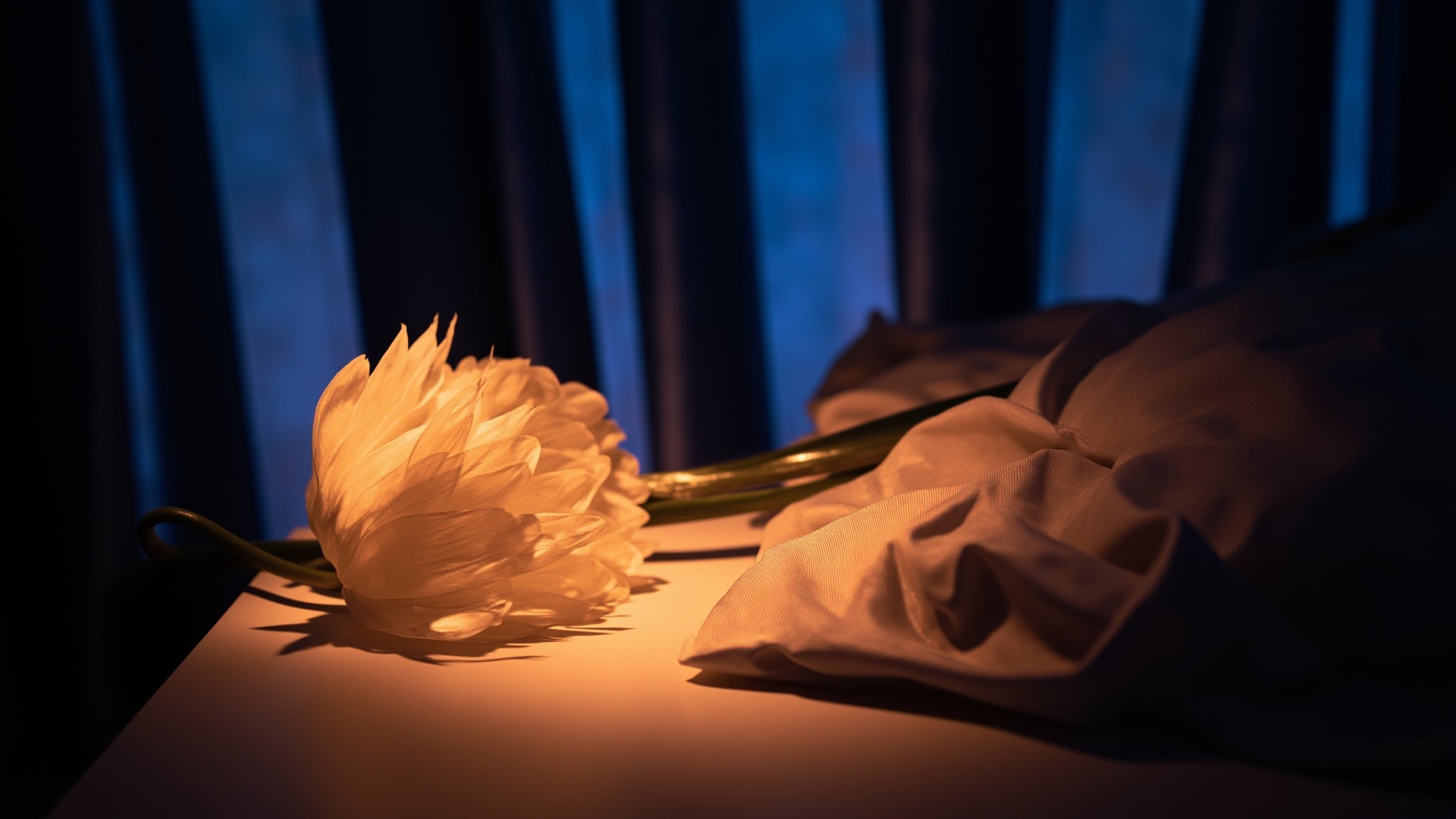
Queen of the Night, the night-blooming cereus, gives Le Crépuscule its strange power. The flower opens once, after dark, and dies before dawn. It's not shy about bloom-and-fade; it commits. That quality threads through the composition: the carnation and salicylate arrive with confident warmth, ylang-ylang follows with something almost dizzying, and then vanilla settles everything into a long, amber quiet. The fragrance doesn't beg for attention. It simply holds it.
The evolution
Salicylate opens with a clean, almost aspirin-bright edge that softens almost immediately as carnation's warm spice arrives, clove without the smoke, honey without the sweetness. The transition to the heart takes fifteen minutes, and this is where it earns its name. Night-blooming cereus and ylang-ylang create a white floral richness that feels nocturnal, not garden-variety. Close your eyes and you almost miss the light switch flipping. On dry skin, the ylang-ylang can read slightly green, slightly animal, that edge that keeps it from reading like a room spray. The drydown is where vanilla takes full command. Warm, enveloping, the kind of base that lingers on fabric into the next day. On skin, expect five to six hours of quiet presence before it fades to skin-close memory.
Cultural impact
Le Crépuscule found its audience among those who loved the original L'Air du Temps but wanted something more contemporary, richer, warmer, with better longevity. Wearers describe it as the modern evolution of a classic, with the vanilla backbone giving it a different kind of presence than its predecessor. It's the fragrance for someone who remembers what came before and chose this chapter instead.
The House
Nina RicciNina Ricci is a Parisian fashion house founded in 1932 by Italian-born designer Maria "Nina" Ricci and her son Robert Ricci. The house began as a couture salon on Rue Haussmann, quickly establishing a reputation for refined, feminine gowns with romantic sensibility. Robert established an in-house perfume division in 1941, though the first fragrance would not arrive until 1946. That inaugural scent, Coeur Joie, marked the beginning of a partnership with Lalique that would define the house's olfactory identity. The house introduced its most celebrated fragrance, L'Air du Temps, in 1948, a scent that remains in production decades later. Puig acquired Nina Ricci in 1998, bringing the house under the same ownership that manages Carolina Herrera and Jean Paul Gaultier. Today, the fragrance collection spans from timeless classics to contemporary offerings like the Nina line, maintaining the house's commitment to feminine elegance.
The Creator
Calice BeckerBecker's olfactive signature is marked by exceptional versatility combined with a distinctive feminine sensibility. She moves effortlessly between the sun-drenched radiance of Dior J'Adore and the contemplative tea notes of By Kilian Imperial Tea.