Rosella
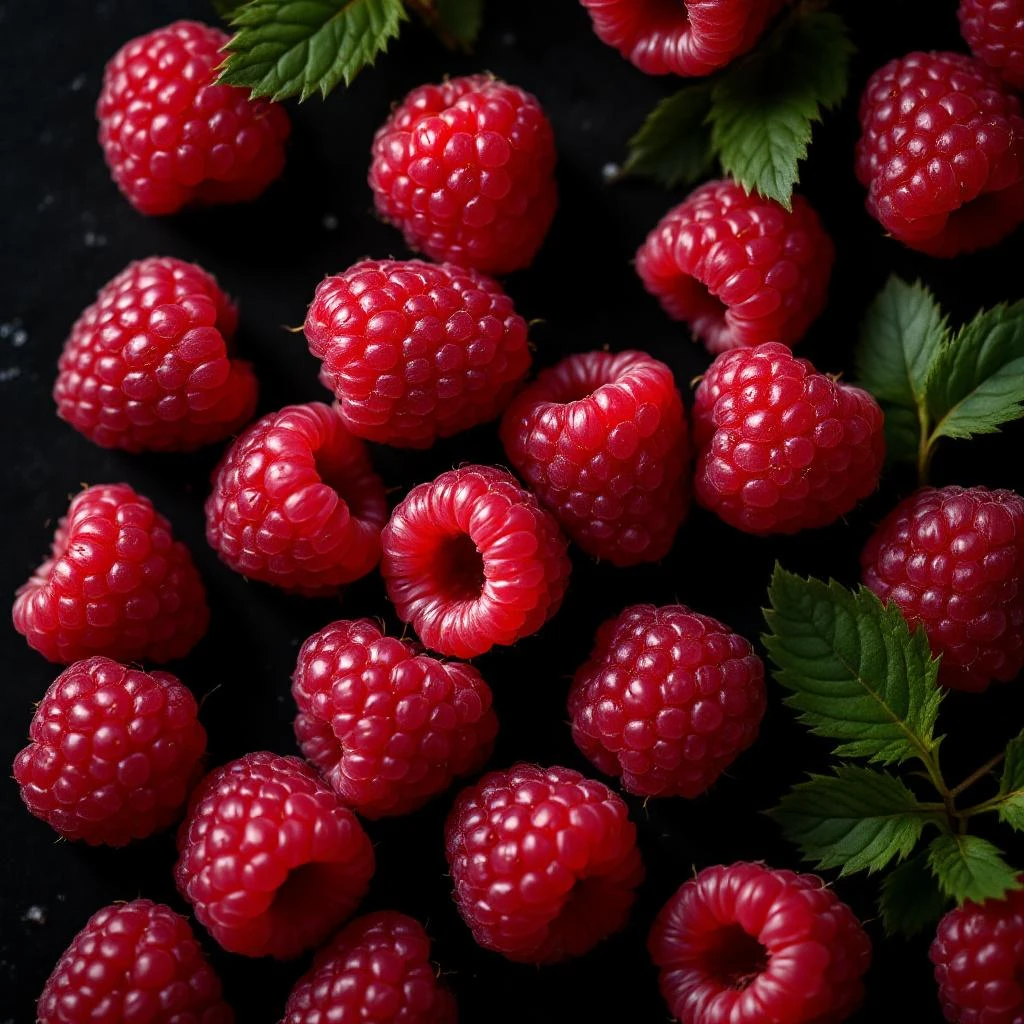
Rosella brings the softly tart, hibiscus-like character of an edible flower into perfumery, adding watery brightness and a restrained rosy accent.
Character
How it smells
Tart floral brightness with a hibiscus-like edge.
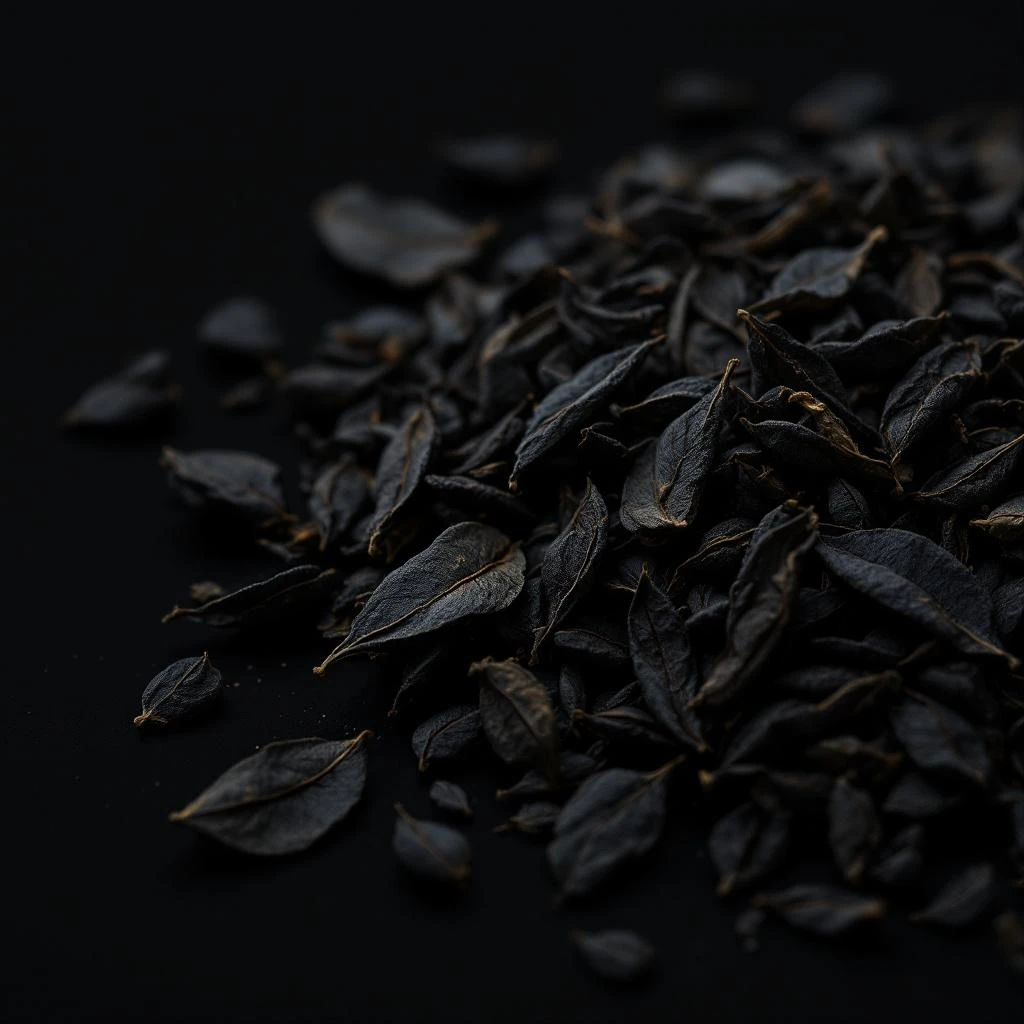
Rosella is commonly made from the dried calyces of Hibiscus sabdariffa, the same plant used to prepare hibiscus tea.
Origin
Sudan
Rosella belongs to a long history of fragrant and aromatic plants valued for their color, taste, and scented preparations. The deep red calyces of Hibiscus sabdariffa have been used in foods and drinks across Africa and Asia, and their association with hibiscus tea makes the plant familiar in many culinary traditions. Its move into perfumery follows the broader story of natural perfumery: ancient materials were often incorporated by maceration, while later advances in distillation and solvent extraction allowed perfumers to isolate and standardize more delicate plant characteristics.
Rosella is not rose, despite the shared name, and its fragrance role reflects the modern interest in plant materials that contribute tartness and edible-floral nuance rather than dense floral richness. Extraction traditions and ingredient applications have developed alongside global trade in aromatic botanicals, with each production method revealing a different expression of the flower.
Wears it best
Fragrances featuring Rosella
Brands
Brands known for Rosella
Good to know
Questions, answered
The essentials on Rosella in perfumery: how it smells, where it comes from, and how it behaves on skin.
What is rosella in perfumery?
Rosella is a tart, floral fragrance ingredient associated with Hibiscus sabdariffa. It is usually made from the plant’s dried red calyces and contributes a bright, slightly fruity note rather than a conventional rose-like perfume.
Is rosella the same as rose?
No. Rosella is not a rose material; it comes from Hibiscus sabdariffa. Its profile is commonly described as tart, hibiscus-like, and softly floral, while rose comes from the petals of rose plants.
How is rosella fragrance extracted?
Rosella is usually produced by water or alcohol extraction from dried calyces. Because the ingredient is mainly valued for its tart plant character, perfumers do not typically identify rosella as a steam-distilled essential oil.
What part of the rosella plant is used?
The dried calyces are the main part used. These red, fleshy structures surround the flower bud and give rosella both its characteristic color and its tart, hibiscus-like character.
What does rosella smell like in perfume?
Rosella usually reads as tart, slightly fruity, and floral, with an edible hibiscus quality. Depending on the extraction and formula, it can add a soft rosy impression without reproducing the dense, powdery character of rose.
Where does rosella originate?
Rosella is associated with Sudan and the wider region in which Hibiscus sabdariffa has long been cultivated and used. Its precise fragrance profile can also vary with the plant’s source and processing method.
Does rosella come from essential oil?
Usually, no. Rosella fragrance materials are more often made as water-based or alcohol-based extracts from dried calyces. It should not automatically be listed as a steam-distilled essential oil.
How is rosella used in a fragrance formula?
Perfumers use rosella to add brightness, tartness, and a soft edible-floral accent. It can support rose, hibiscus, citrus, tea, or fruit compositions, although its extract and the formula’s intended balance determine the final impression.