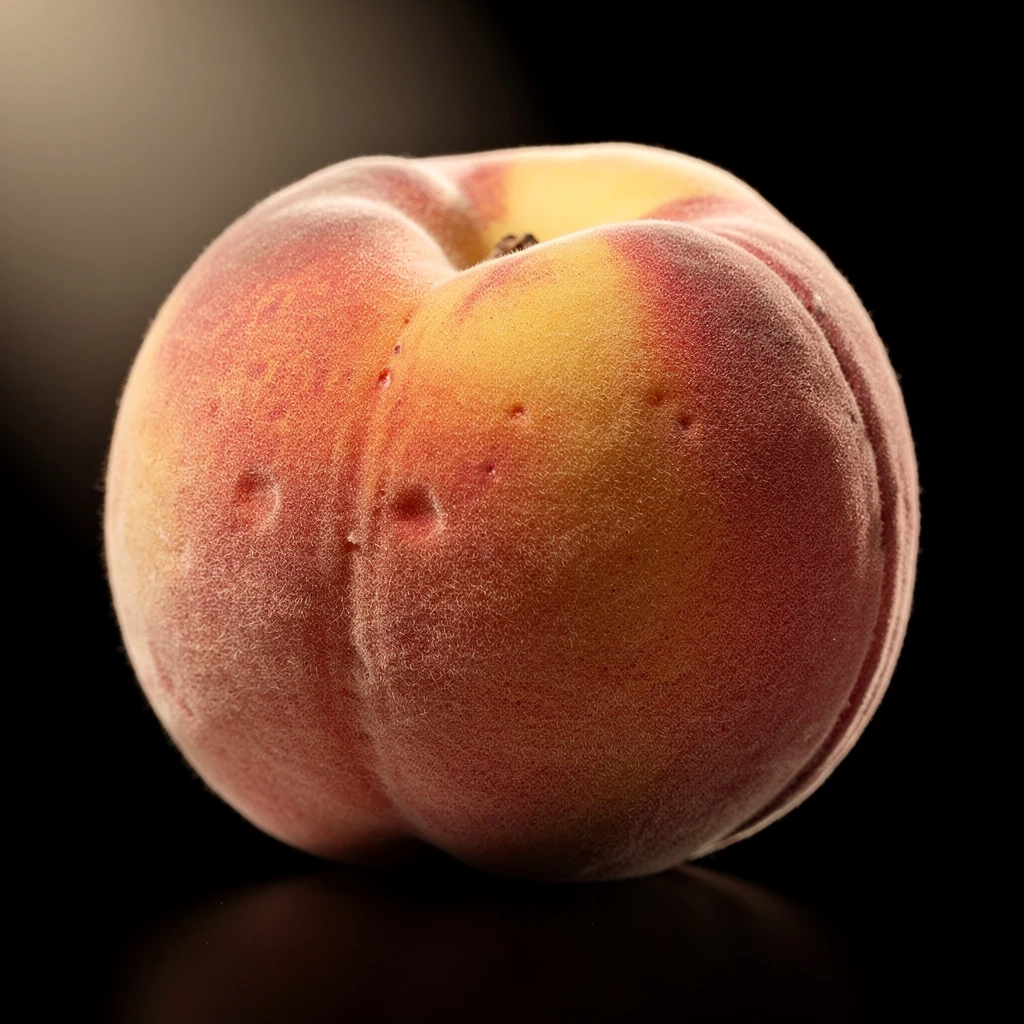
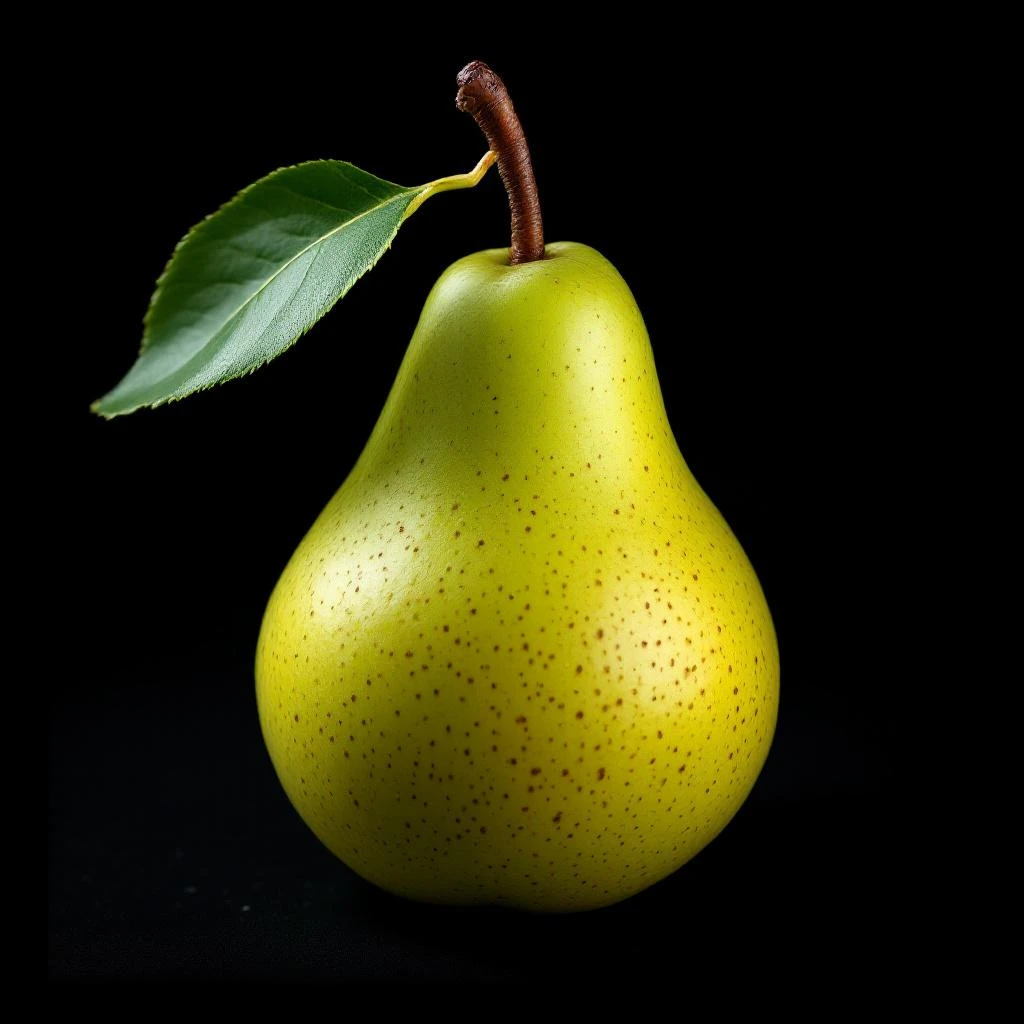
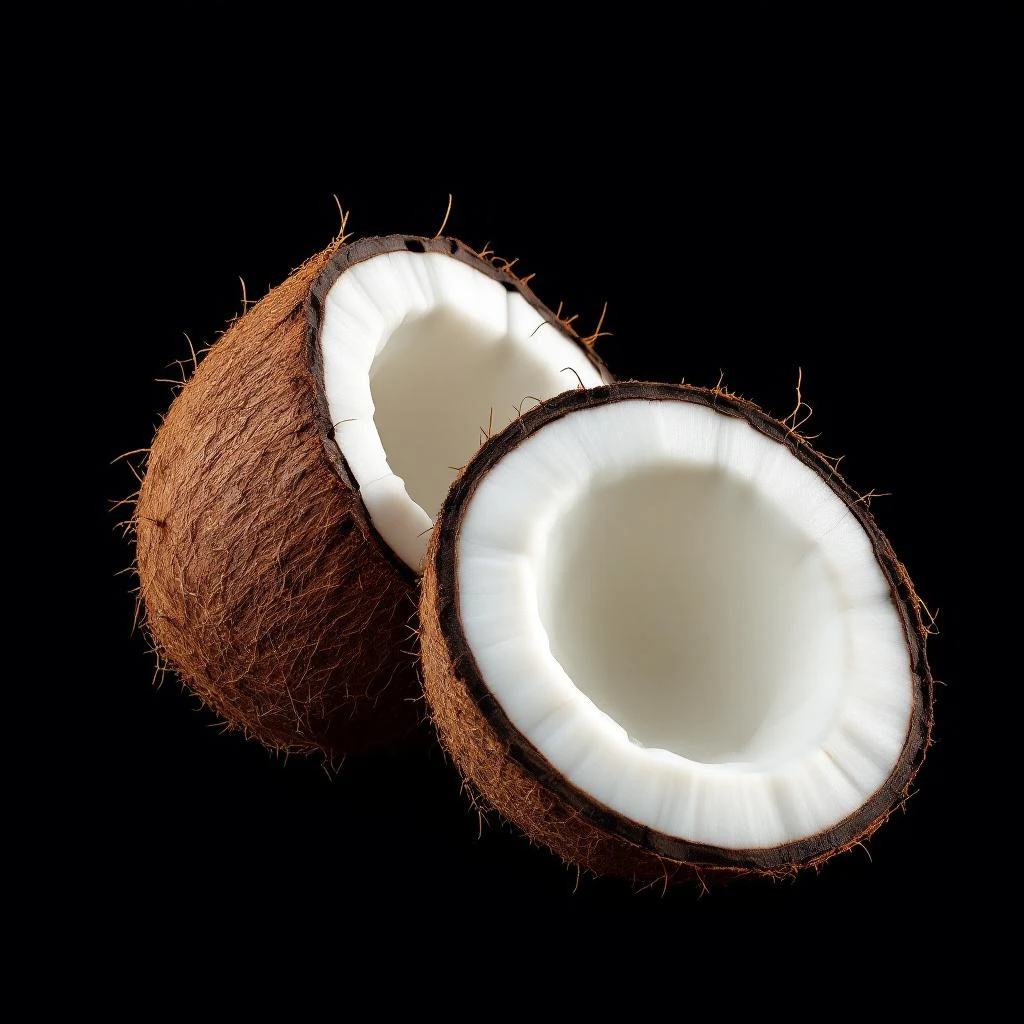
Nuts
Nuts in perfumery deliver warmth, creaminess, and an addictive depth that makes fragrances linger. From tonka's sweet hay aroma to the roasted richness of praline accords, these edible elements bridge the gap between scent and taste in unexpected ways.
Character
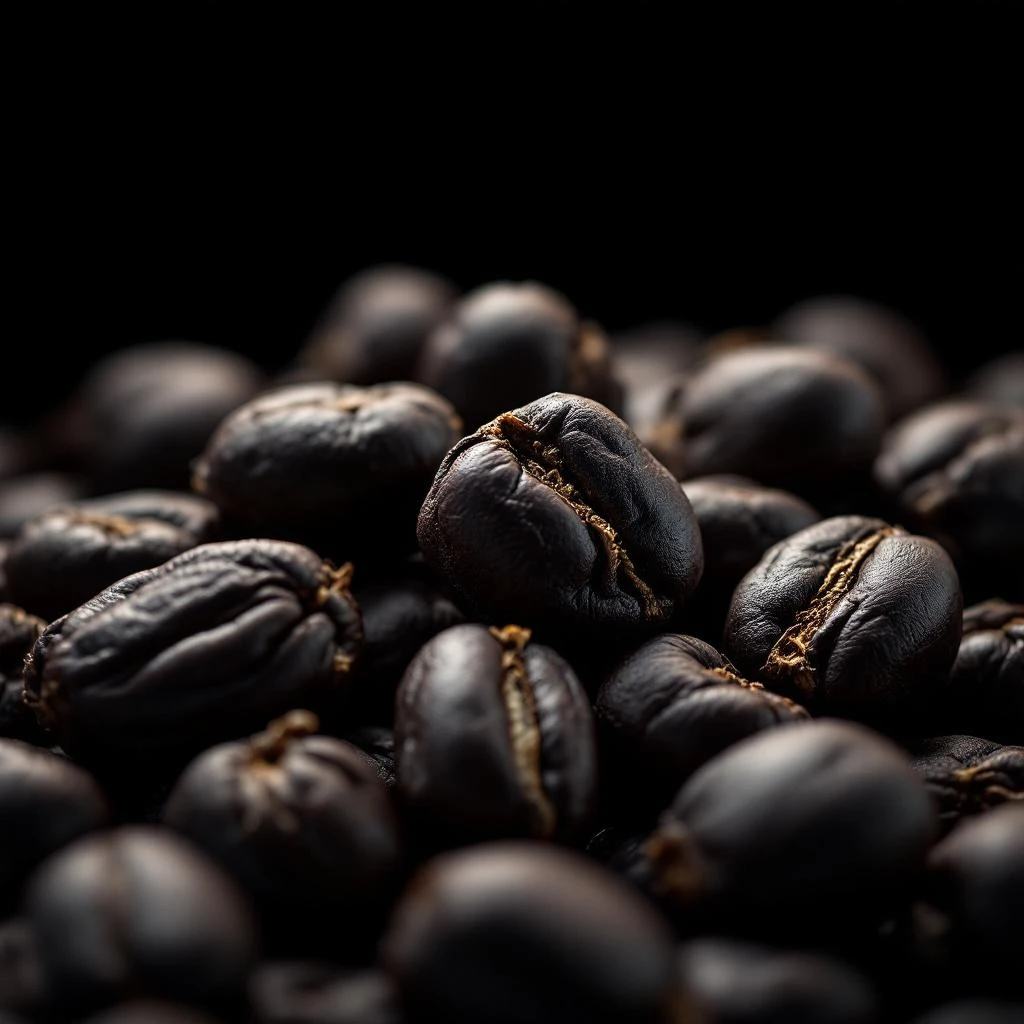
How it smells
The edible warmth that makes fragrances addictive.
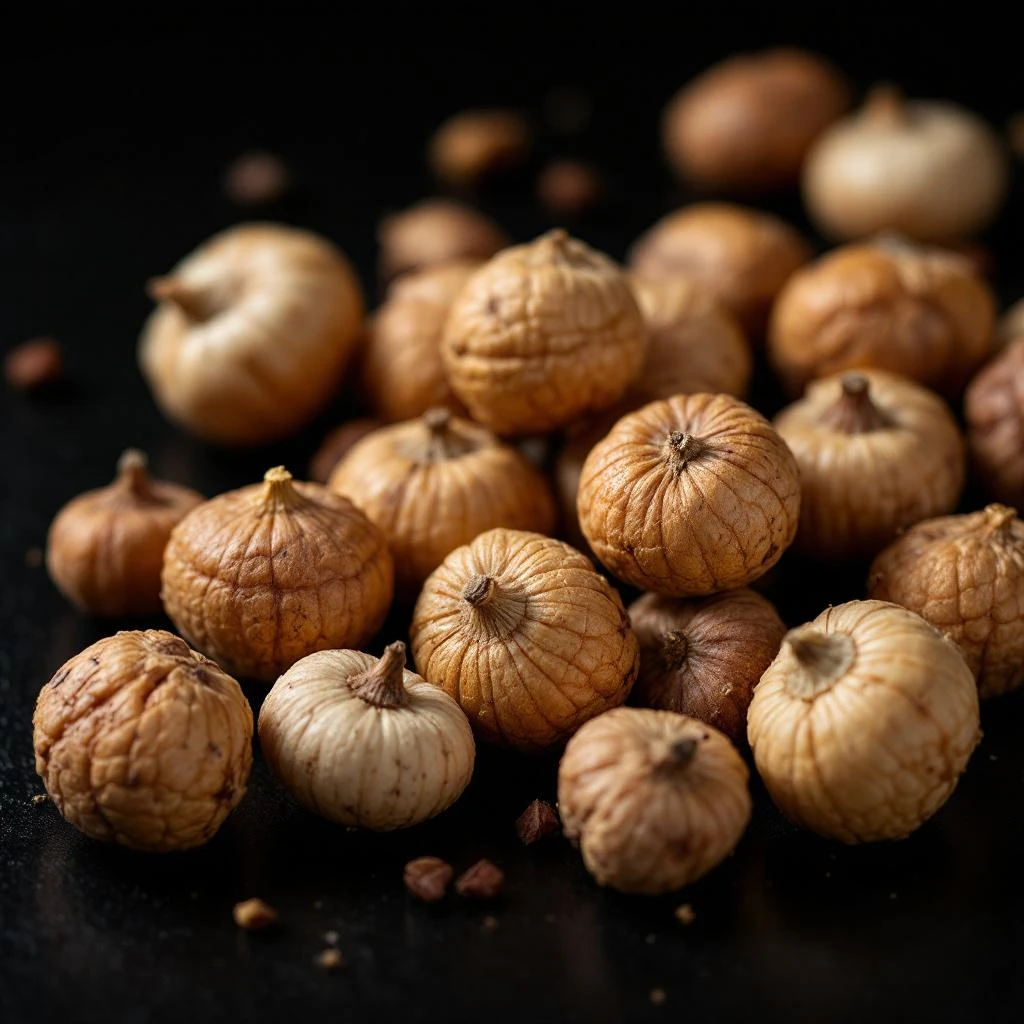
Tonka beans contain naturally occurring coumarin, which gives them their distinctive sweet scent reminiscent of freshly mown hay.







Origin
Venezuela
Ancient Egyptian perfumers pioneered the use of nut-based extracts, macerating various seeds and kernels to create aromatic ointments for religious ceremonies. Hieroglyphics from tombs dating to 3000 BC document these early extraction techniques, where practitioners would soak nut kernels in fats and expose them to sunlight to draw out fragrant compounds.
The Greeks and Romans later refined these methods, incorporating nut oils into their perfumed unguents. By the 19th century, with the advent of organic chemistry, perfumers gained the ability to isolate specific compounds like coumarin from tonka beans, revolutionizing how nut notes could be constructed and replicated in fragrance formulations.
Wears it best
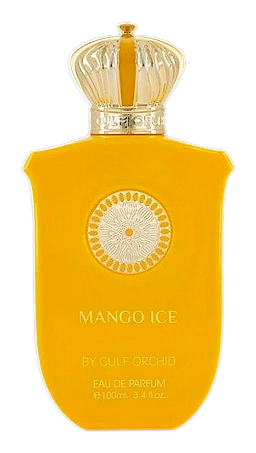
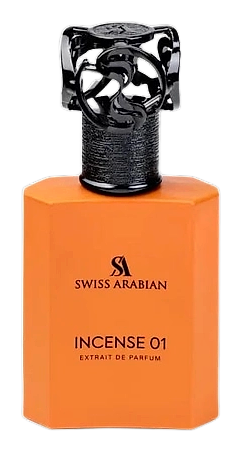
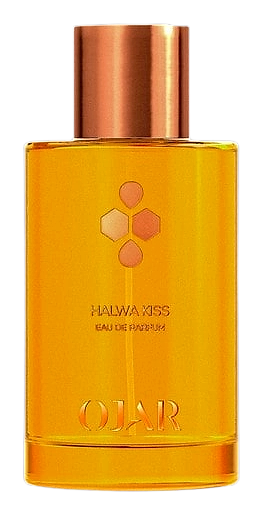
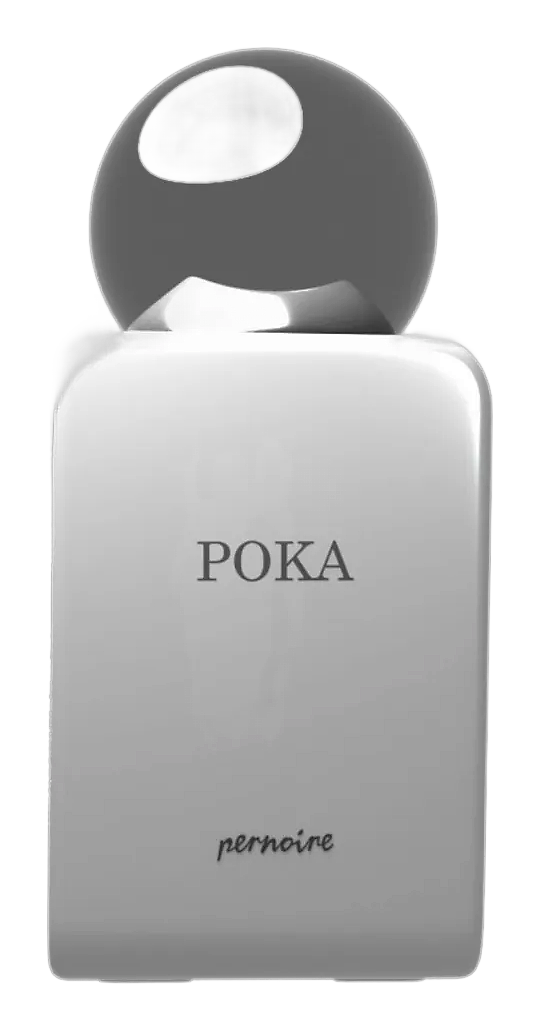
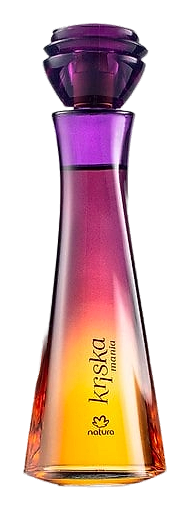
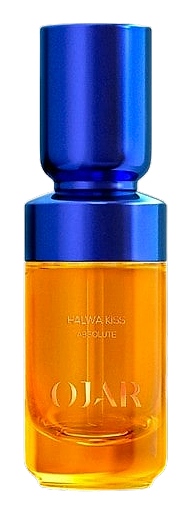
Fragrances featuring Nuts

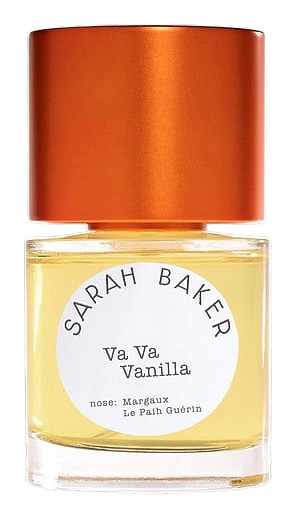
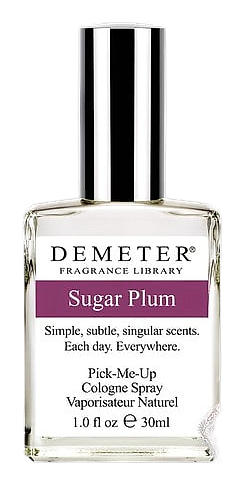
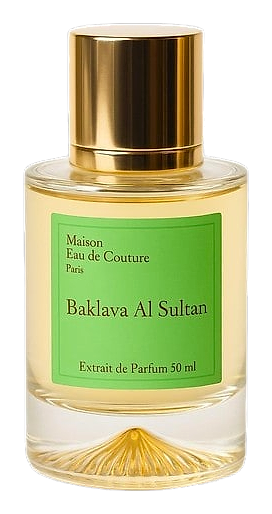
Brands
Brands known for Nuts
Good to know
Questions, answered
The essentials on Nuts in perfumery: how it smells, where it comes from, and how it behaves on skin.
What nuts are commonly used in perfumery?
Tonka beans, bitter almonds, and praline accords rank among the most common nut ingredients. Tonka provides sweet coumarin notes, while bitter almond delivers marzipan-like warmth. Praline is typically a constructed accord rather than a single extracted ingredient.
Does 'nut' in fragrance mean edible?
Not necessarily. Many nut ingredients like tonka beans smell food-like and gourmand, but they function as aromatic raw materials. The term often describes the sensory quality—warm, roasted, slightly bitter—rather than literal edibility.
Are synthetic nut ingredients used in perfumery?
Yes, synthetic versions of compounds like benzaldehyde (almond) and coumarin supplement natural extracts. Modern fragrance chemistry allows perfumers to recreate nut characteristics consistently while reducing costs and ensuring supply stability.
What fragrance families use nut notes most often?
Gourmand fragrances rely heavily on nut ingredients, particularly praline and marzipan accords. Oriental fragrances frequently incorporate tonka, while chypre compositions may feature bitter almond to add depth and complexity.
How does tonka bean smell?
Tonka beans produce a sweet, warm aroma often described as smelling like fresh hay mixed with vanilla and tobacco. The scent has a characteristic coumarin quality that reads as slightly sweet and hay-like with subtle spice undertones.
Are nut ingredients natural or synthetic?
Both exist in perfumery. Natural nut extracts include tonka bean absolute and bitter almond oil. Synthetic alternatives like benzaldehyde and various coumarin derivatives allow for consistent olfactory profiles at scale.
Do nut notes fade quickly in fragrances?
Nut ingredients typically appear in the heart to dry down phases of a fragrance. Tonka and coumarin materials often persist well, while lighter praline accords may require fixatives to maintain their presence throughout wear.
Which perfumers specialize in nut-forward compositions?
Guerlain's Shalimar and its orientals established many conventions for nut use in fine fragrance. Contemporary houses like Byredo and Le Labo also incorporate nut notes thoughtfully, though specialized nut perfumers remain rare as a distinct category.