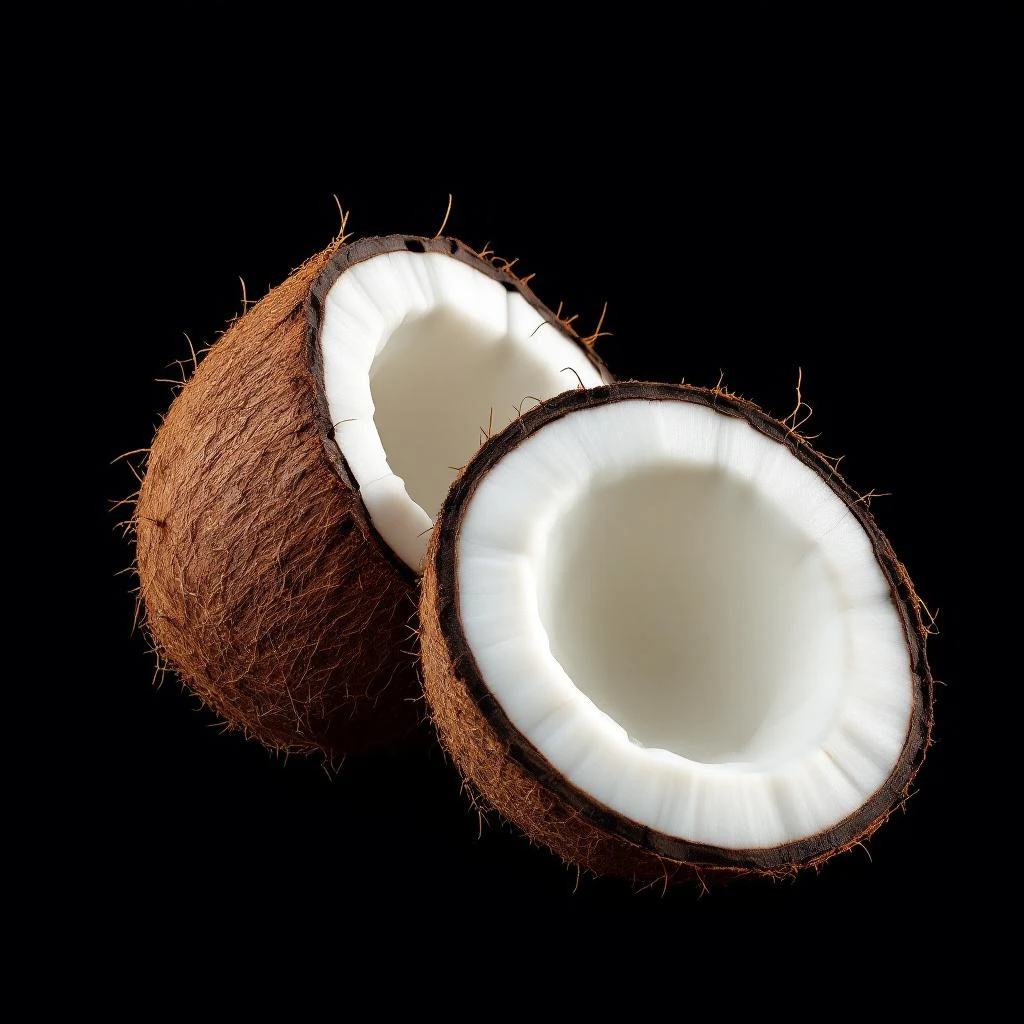
Roasted Peach
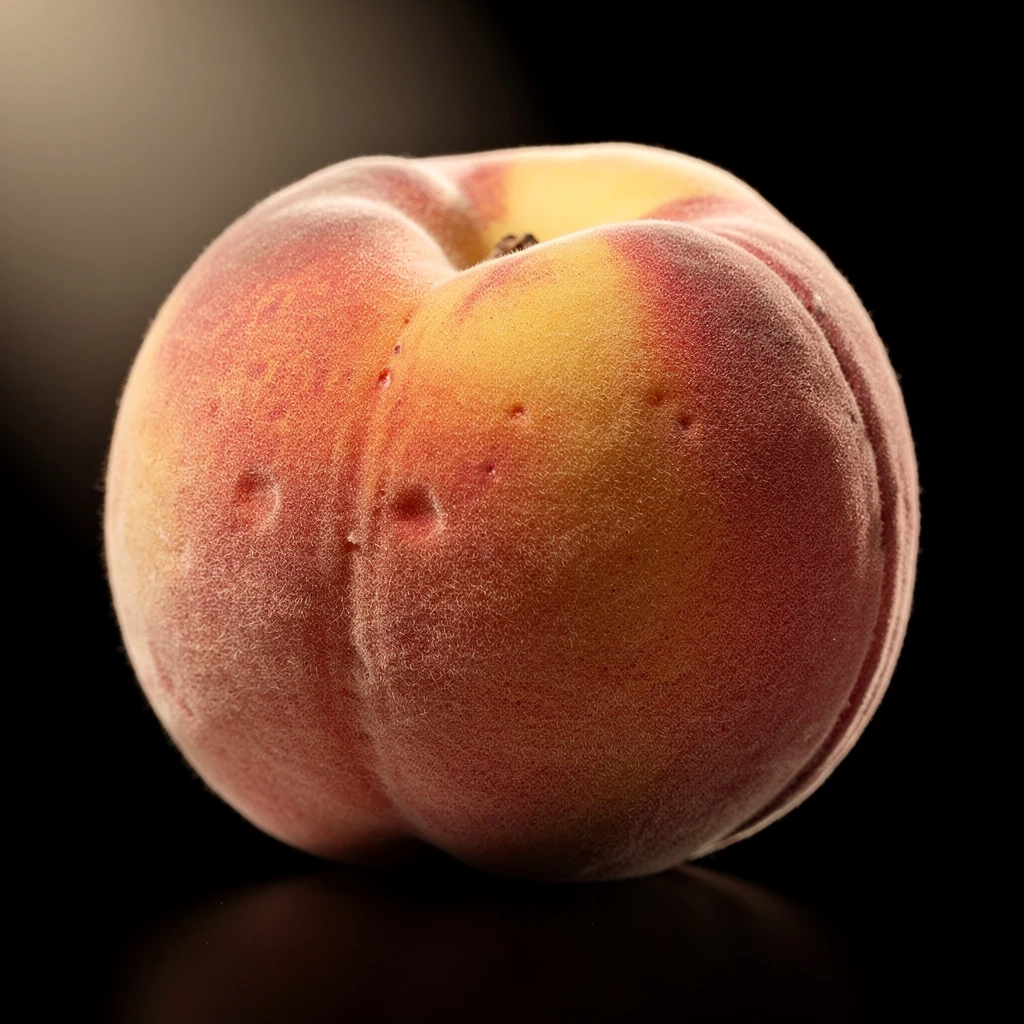
A warm, caramelized depth where sun-ripened fruit meets toasted sugar. Roasted peach brings a jammy, almost burnt-honey richness that grounds brighter peach top notes with edible comfort.
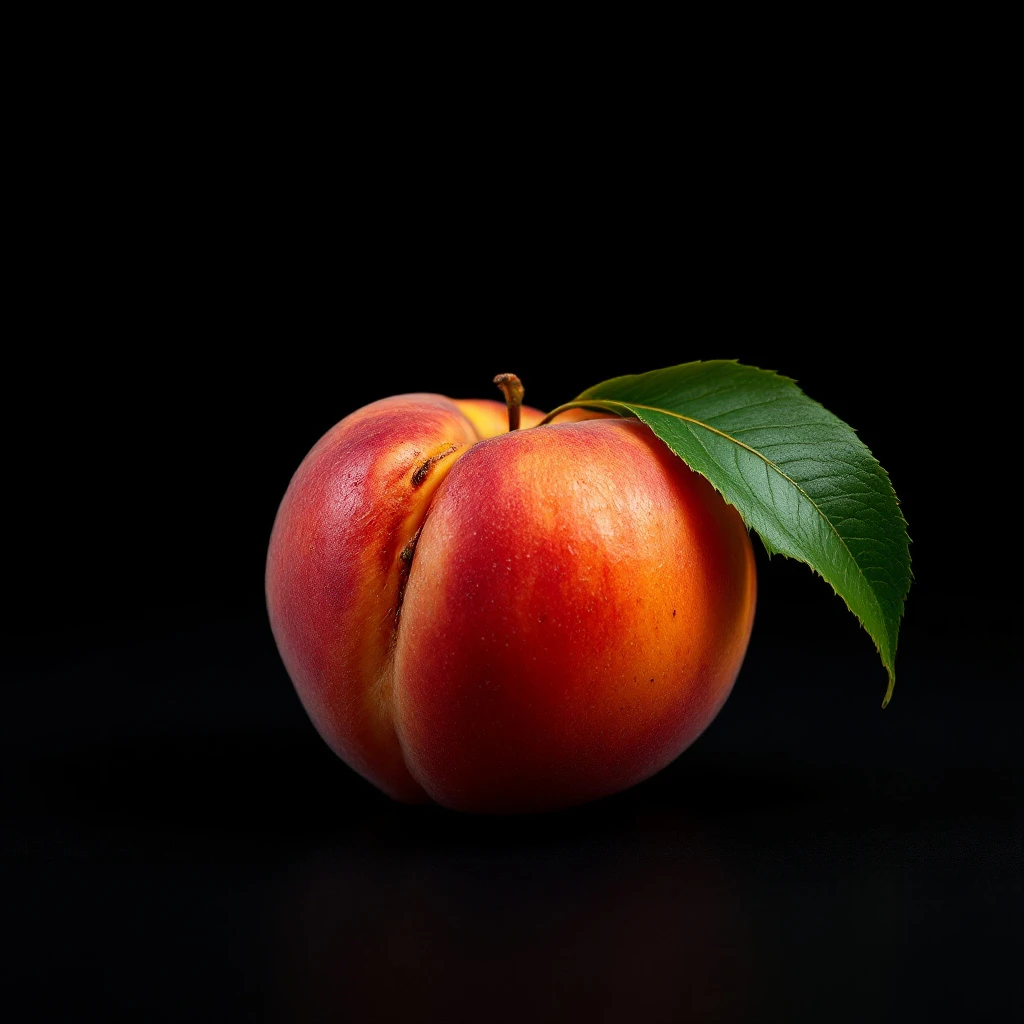
Character
How it smells
Caramelized sun, captured in glass.
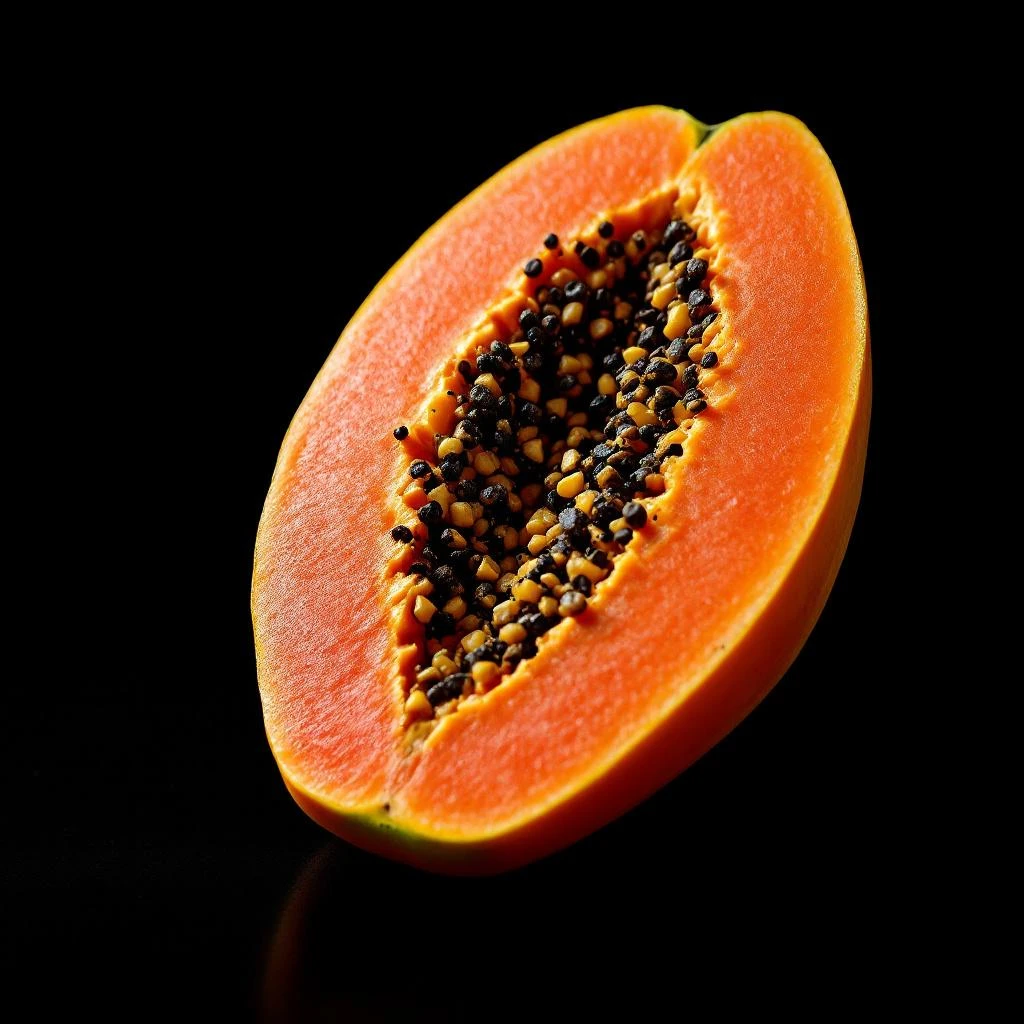
Peach kernels, not the fruit flesh, were the original perfumery material, used by early Arab perfumers in scented ointments centuries before synthetic peach aroma existed.


Origin
China
Peach entered perfumery long before it became a synthetic note. Early Arab perfumers used the flesh of peach kernels in scented ointments, and the fruit itself spread westward from its native China along the Silk Road, reaching Europe by classical antiquity. For most of perfumery history, peach appeared only as a rare background nuance in floral compositions, too subtle and too costly to extract at scale.
That changed in the late 19th century when chemists identified gamma-undecalactone, the molecule responsible for the fruit's distinctive creamy sweetness. Commercial production followed in the early 20th century, and peach became a workable note in mainstream fragrance. The roasted variant is a more recent innovation, emerging alongside gourmand perfumery in the 1990s and 2000s as formulators began layering peach lactones with caramel and toasted accords.
Today, roasted peach reads as a deliberate culinary note, signaling warmth, indulgence, and nostalgia in compositions that blur the line between dessert and scent.
Wears it best
Fragrances featuring Roasted Peach
Brands
Brands known for Roasted Peach
Good to know
Questions, answered
The essentials on Roasted Peach in perfumery: how it smells, where it comes from, and how it behaves on skin.
What does roasted peach smell like in perfume?
Roasted peach smells like caramelized, jammy fruit with toasted sugar and burnt-honey depth. It is warmer and more gourmand than fresh peach, with creamy lactone richness from gamma-undecalactone layered against caramelized facets.
Is roasted peach a natural or synthetic note?
Almost always synthetic or reconstructed. The natural compounds exist in fruit at concentrations too low for cost-effective extraction, so perfumers build the note from gamma-unidecalactone and caramel molecules.
What is the key molecule behind roasted peach aroma?
Gamma-undecalactone, also called C14 aldehyde or peach aldehyde, is the primary molecule. It provides the creamy, fruity lactonic backbone that defines peach character in perfumery.
When was peach first used in perfume?
Early Arab perfumers used peach kernels in scented ointments centuries ago. The modern synthetic peach note dates to the late 19th century, when gamma-undecalactone was first identified and commercialized.
Where do peach trees originate?
Peach trees are native to China, where they have been cultivated for over 4,000 years. The fruit spread west along the Silk Road and reached Europe well before the modern era.
How do perfumers create the roasted effect in peach notes?
Formulators layer peach lactones with furaneol, maltol, and trace pyrazines to mimic caramelization. These molecules add toasted, burnt-sugar, and nutty facets over the fruit base.
What fragrances feature roasted peach?
Roasted peach appears in modern gourmand compositions from the 2000s onward, often paired with vanilla, caramel, tonka bean, or toasted almond for layered, edible profiles.
Does roasted peach last long on skin?
Roasted peach is typically a heart note lasting 3 to 5 hours. The caramelized facets fade faster than the lactonic base, which often merges with woody or musky drydown elements.