Soursop
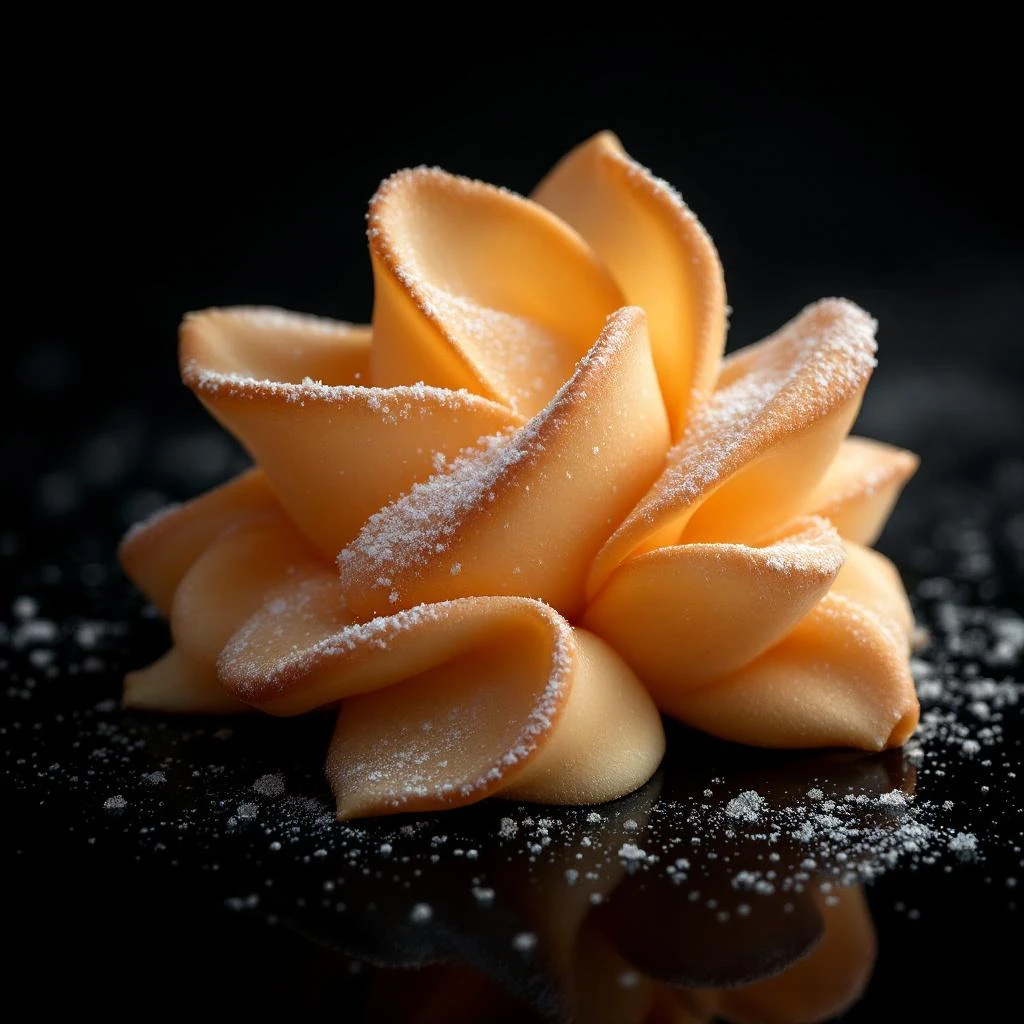
Soursop brings a surprisingly complex tropical presence to fragrance. The fruit's creamy white flesh carries an aromatic profile that blends sweet custard with tart citrus and subtle green undertones, creating a scent that feels both exotic and approachable.
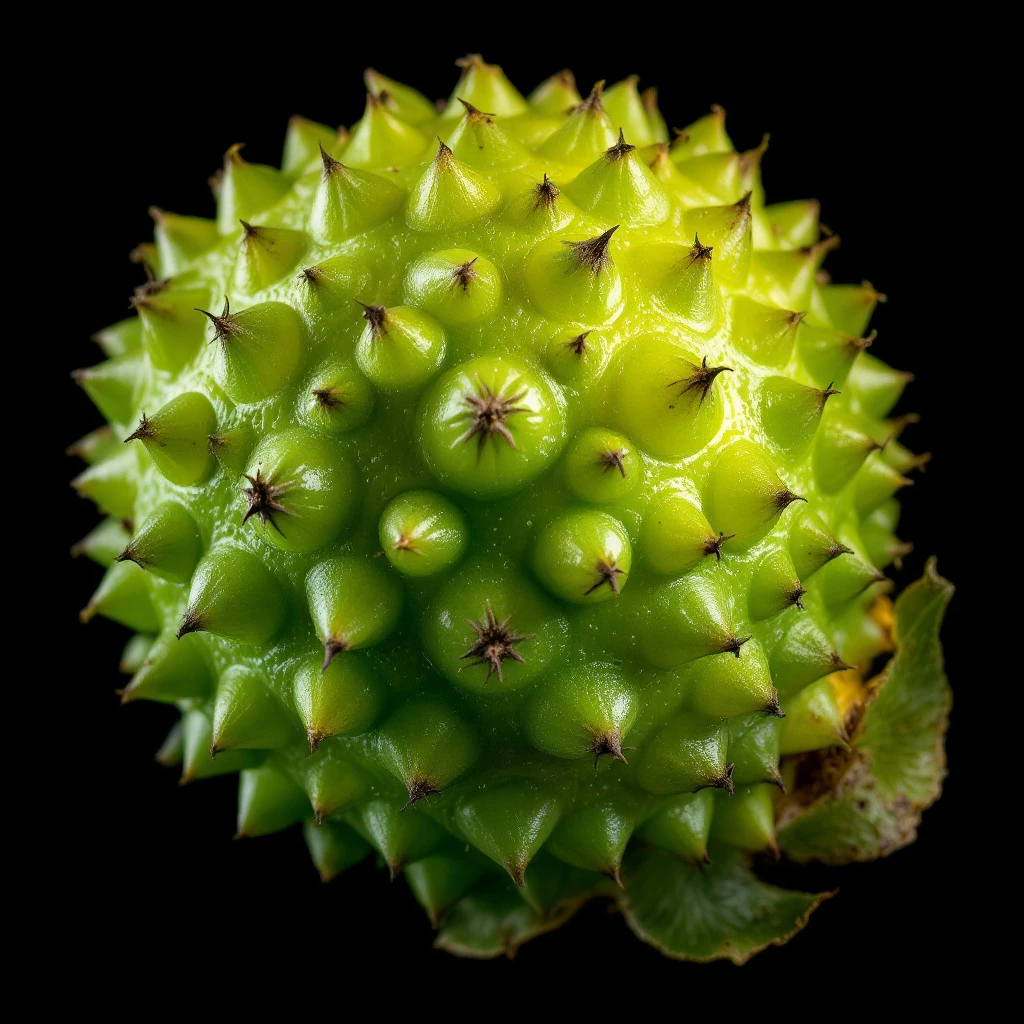
Character
How it smells
Tropical cream with a tart citrus bite
Despite its name, soursop's flesh is actually creamy and sweet. Only the unripe fruit carries any sourness.






Origin
Caribbean / Central America
Soursop originated in the tropical Americas, where indigenous peoples cultivated it long before European contact. The fruit spread globally during the Columbian Exchange, establishing itself in tropical regions across Asia and Africa. In its native Caribbean and Central American range, soursop held significance in traditional medicine systems, where preparations from leaves, fruit, and bark served various purposes.
The fruit's aromatic complexity fascinated early botanical observers, who noted its unusual scent combining sweetness with sharper citrus-like qualities. While soursop never became a traditional perfumery ingredient like jasmine or sandalwood, its distinctive fragrance profile drew attention from modern fragrance chemists in the late 20th century, leading to synthetic reproductions that brought its tropical creaminess into contemporary perfumery.
Wears it best
Fragrances featuring Soursop
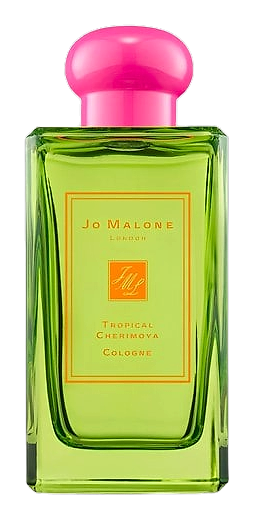
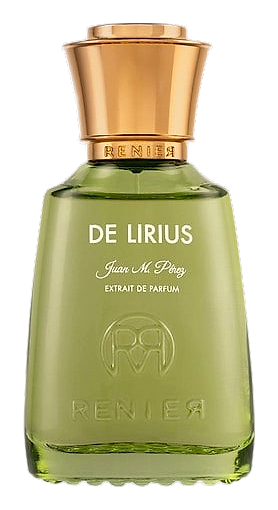
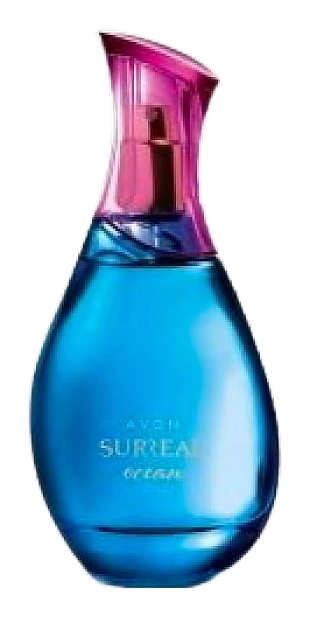
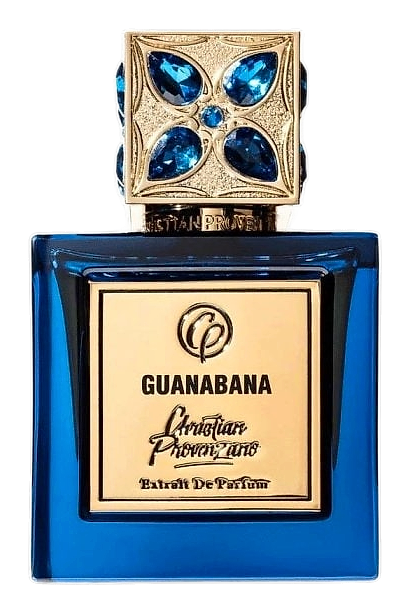
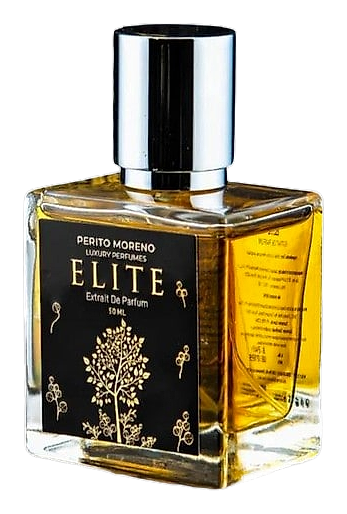
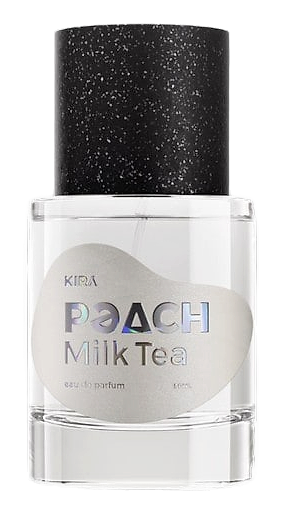
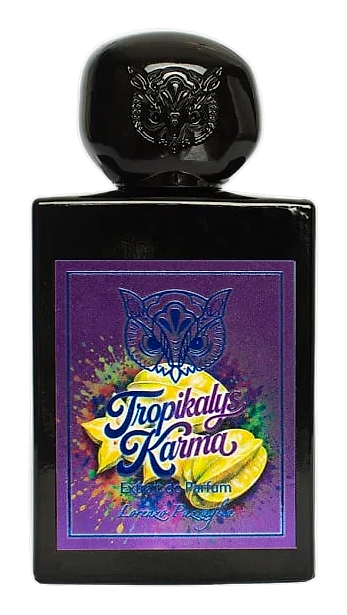

Brands
Brands known for Soursop
Good to know
Questions, answered
The essentials on Soursop in perfumery: how it smells, where it comes from, and how it behaves on skin.
Is soursop a natural or synthetic ingredient in perfumery?
Soursop is typically synthetic in perfumery. The fruit's aromatic compounds are difficult to extract through traditional methods, so fragrance chemists reproduce the scent profile using lab-created aroma chemicals that capture its creamy tropical sweetness.
What does soursop smell like in fragrance?
Soursop delivers a creamy tropical sweetness balanced by tart citrus-like brightness and subtle green undertones. It differs from coconut by being lighter, and from mango by carrying more tartness and less golden warmth.
Where does soursop grow?
Soursop is native to the tropical Americas, particularly the Caribbean and Central America. Today it grows widely in tropical regions including Indonesia, Philippines, Colombia, and throughout West Africa.
Did indigenous cultures use soursop for fragrance?
Indigenous peoples of the Caribbean and Central America used soursop primarily as food and medicine, not specifically for fragrance. Its aromatic qualities became notable in perfumery only in the modern era.
Is soursop safe to use in fragrance?
Soursop notes in perfumery use regulatory-approved aroma chemicals considered safe for cosmetic use. The fruit itself is widely consumed as food, though some regulatory caution exists around concentrated leaf extracts.
How does soursop differ from other tropical fragrance notes?
Soursop stands apart through its unique combination of creamy richness and tart brightness. Unlike coconut's golden warmth or passion fruit's sharp intensity, soursop occupies a middle space between sweet cream and citrus zest.
Which fragrances feature soursop notes?
Soursop appears primarily in niche and designer fragrances seeking tropical or exotic character. It often pairs with coconut, citrus, or green notes to create fresh tropical compositions.
What makes soursop distinctive among tropical ingredients?
Soursop's rarity as a natural perfumery material combined with its complex sweet-tart-creamy profile makes it distinctive. Few tropical ingredients successfully blend creaminess with citrus-like brightness the way soursop does.