Rice Straw
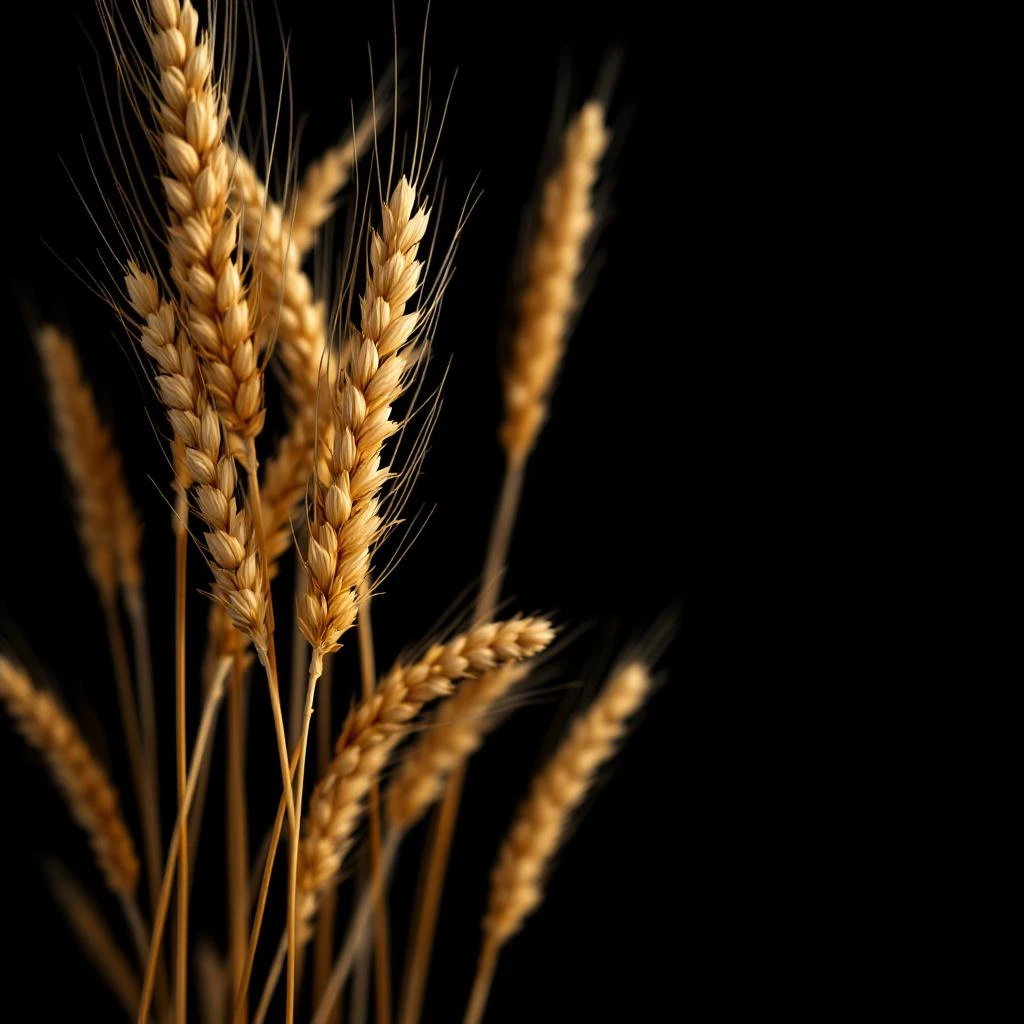
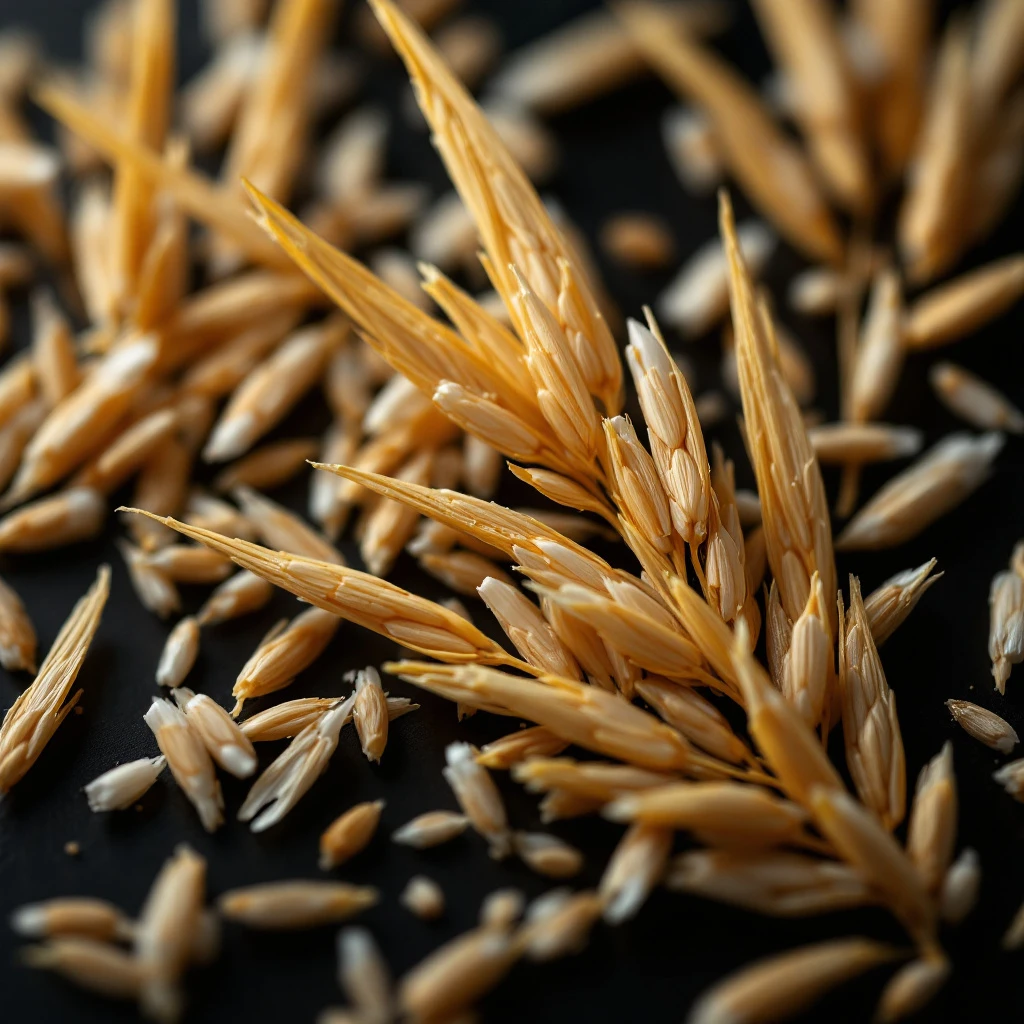
Rice straw brings a quiet, sun-dried quality to fragrances. This humble agricultural byproduct carries the clean, grassy warmth of harvested fields into the world of fine perfumery.
Character
How it smells
The honest scent of harvested fields
Japanese perfumers have used rice straw for centuries in traditional incense, capturing the aroma of the grain's final act before threshing.




Origin
Japan
Rice straw holds a quiet but significant place in Asian perfumery traditions, particularly in Japan, where rice cultivation shaped not only cuisine but ritual and craft. Farmers historically burned dried rice straw after harvest, releasing a distinctive aromatic smoke incorporated into purification ceremonies and daily life.
Rather than discard the straw after threshing, traditional incense makers recognized its aromatic potential, combining it with stronger materials like sandalwood and agarwood to create balanced fragrance blends. This resourceful approach defined much of Asian perfumery, where practitioners used available agricultural materials alongside rarer imports.
Rice straw represented a bridge between the mundane and the sacred, transforming a crop residue into something meaningful. Modern artisan perfumers have revived interest in these traditional materials, bringing rice straw into contemporary fragrance compositions.
Wears it best
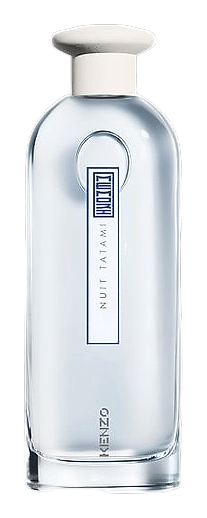
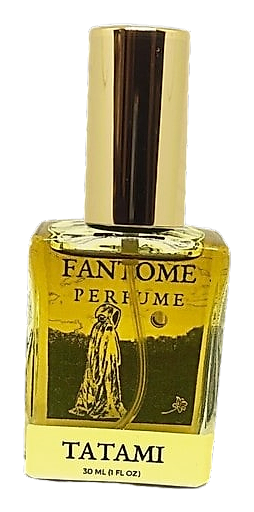
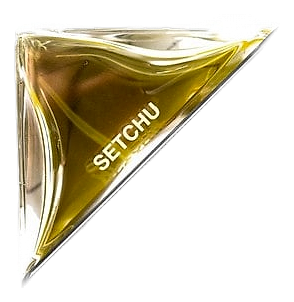
Fragrances featuring Rice Straw

Good to know
Questions, answered
The essentials on Rice Straw in perfumery: how it smells, where it comes from, and how it behaves on skin.
What does rice straw smell like in perfume?
Rice straw absolute carries clean, grassy notes with subtle hay-like warmth. The scent evokes sun-dried fields after harvest, offering a quiet green quality that works well as a supporting note rather than a dominant one.
Is rice straw absolute commonly used in perfumery?
Rice straw absolute is a rare ingredient in mainstream fragrances. The low extraction yield and seasonal availability limit its use, though artisan and niche perfumers value it for its authentic natural character.
Where does rice straw absolute originate?
Japan and Southeast Asian countries produce rice straw for perfumery use. Japan remains the primary reference point, where traditional practices of using agricultural materials in fragrance continue in artisan perfumery.
How is rice straw sustainably sourced?
Rice straw is an agricultural byproduct of grain harvesting, so extraction does not require dedicated cultivation. This makes rice straw absolute one of the more sustainable natural ingredients available to perfumers.
What fragrance families pair well with rice straw?
Rice straw works well in green, woody, and aromatic fragrance families. Its clean, grassy character complements sandalwood, vetiver, and fresh citrus notes, adding natural depth without overpowering brighter elements.
Can aroma chemicals replicate rice straw?
Synthetics like cis-3-hexenol and various grass-mimicking molecules attempt to capture green, cut-grass effects. However, natural rice straw absolute offers a fuller, more complex aromatic profile that remains difficult to fully replicate.
What is the shelf life of rice straw absolute?
Stored in a cool, dark environment, rice straw absolute remains stable for approximately one to two years. Like most natural absolutes, it degrades when exposed to heat, light, and air.
Does rice straw absolute have fixative properties?
Rice straw absolute functions as a mild fixative, helping to anchor lighter top notes in fragrance blends. Its modest performance means perfumers typically use it in supporting roles rather than as a primary fixative.