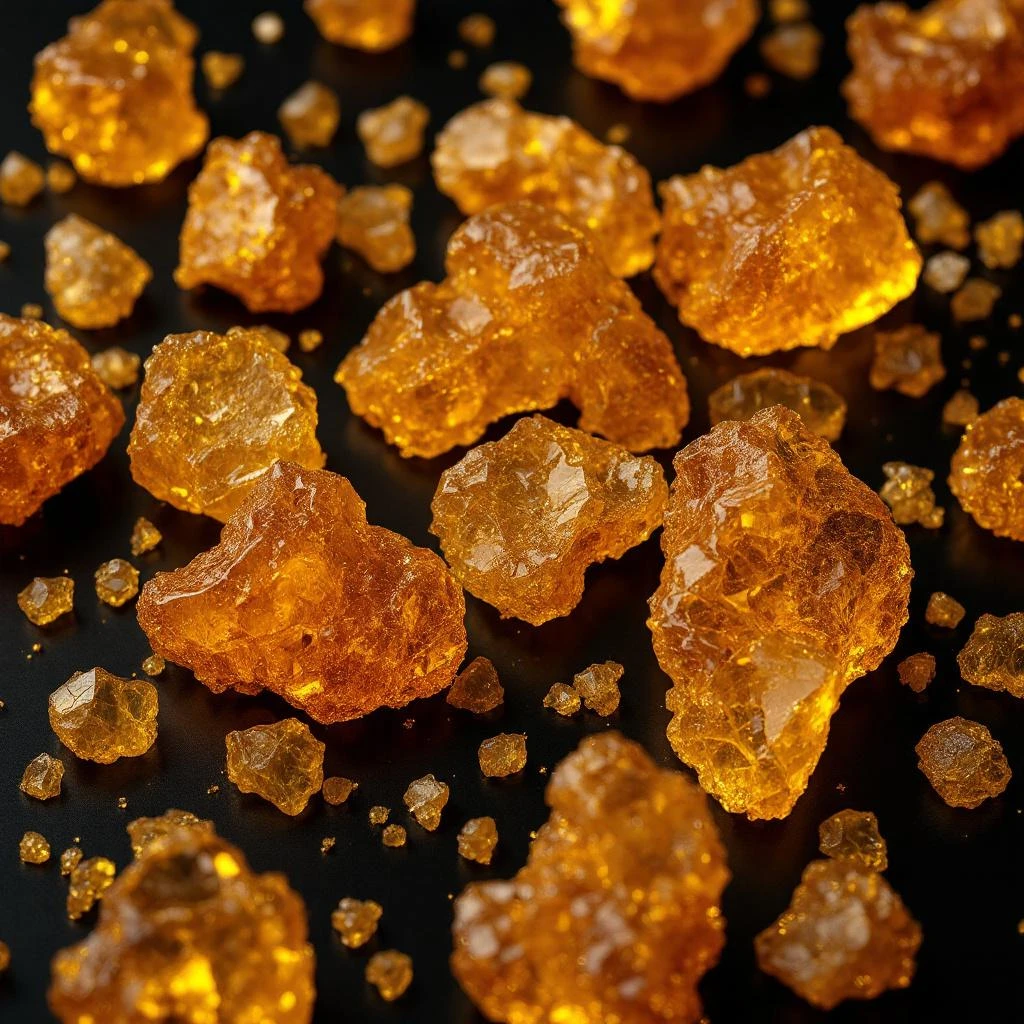
Temple Frankincense
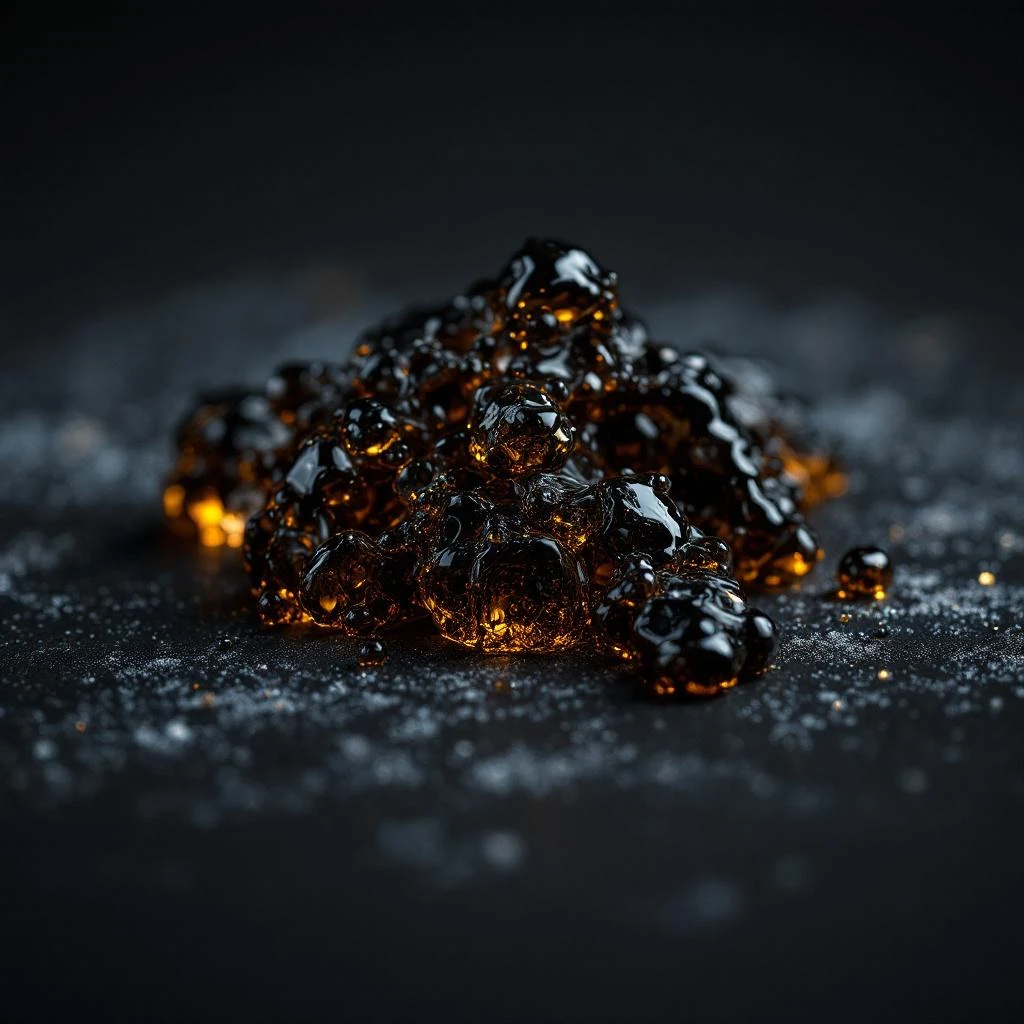
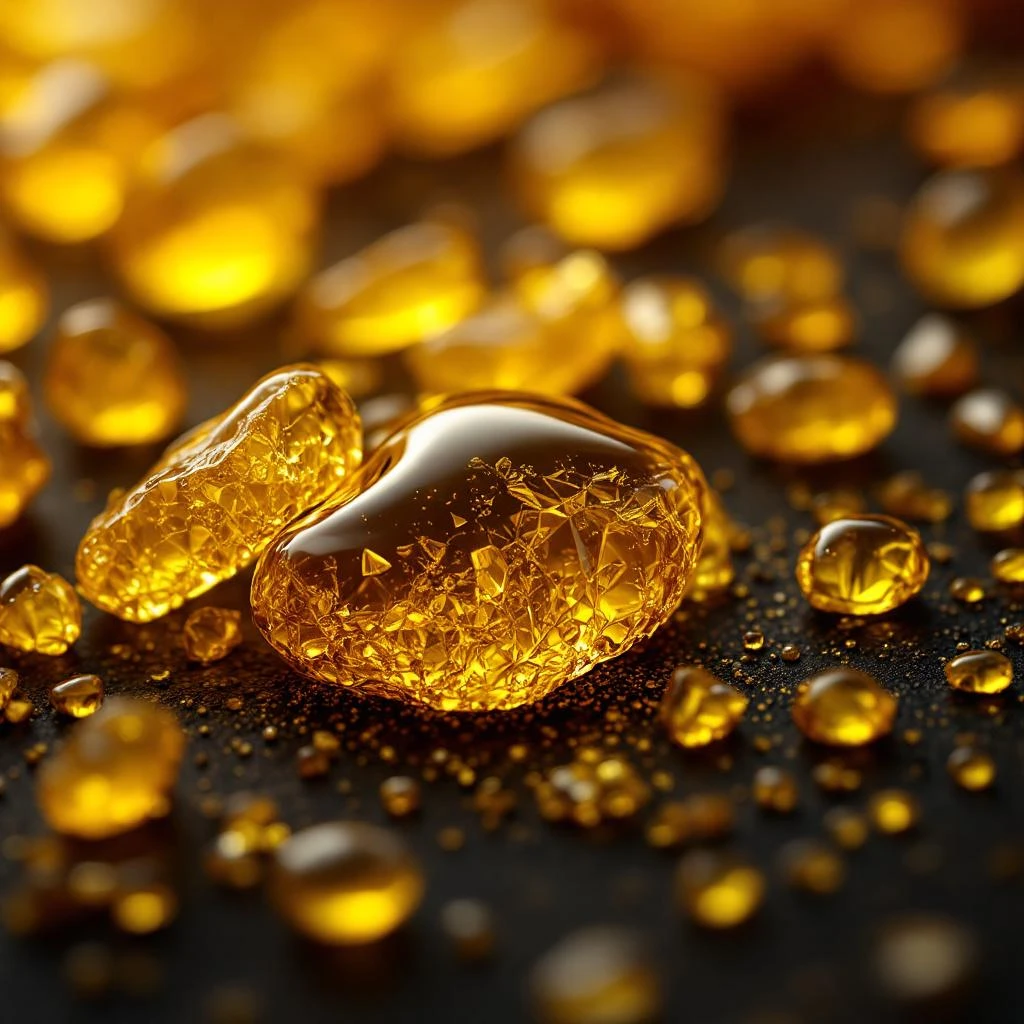
Sacred smoke that bridged the mortal and divine for millennia. Temple Frankincense captures the resinous, slightly citrus, woody warmth that perfumed ancient altars and crowned kings.
Character
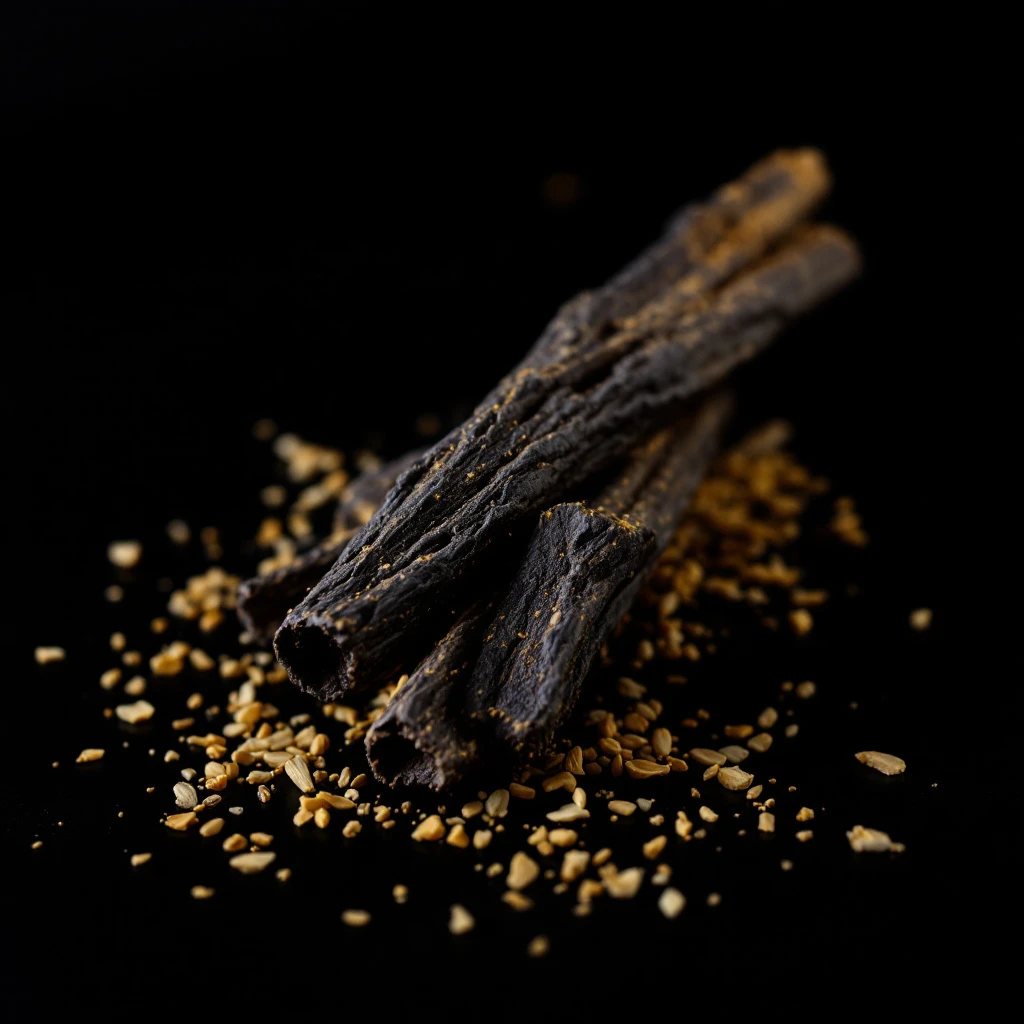
How it smells
Ancient altar smoke, bottled.
Queen Hatshepsut launched an entire expedition around 1500 BCE specifically to acquire frankincense trees for her temple at Deir el-Bahri.




Origin
Somalia
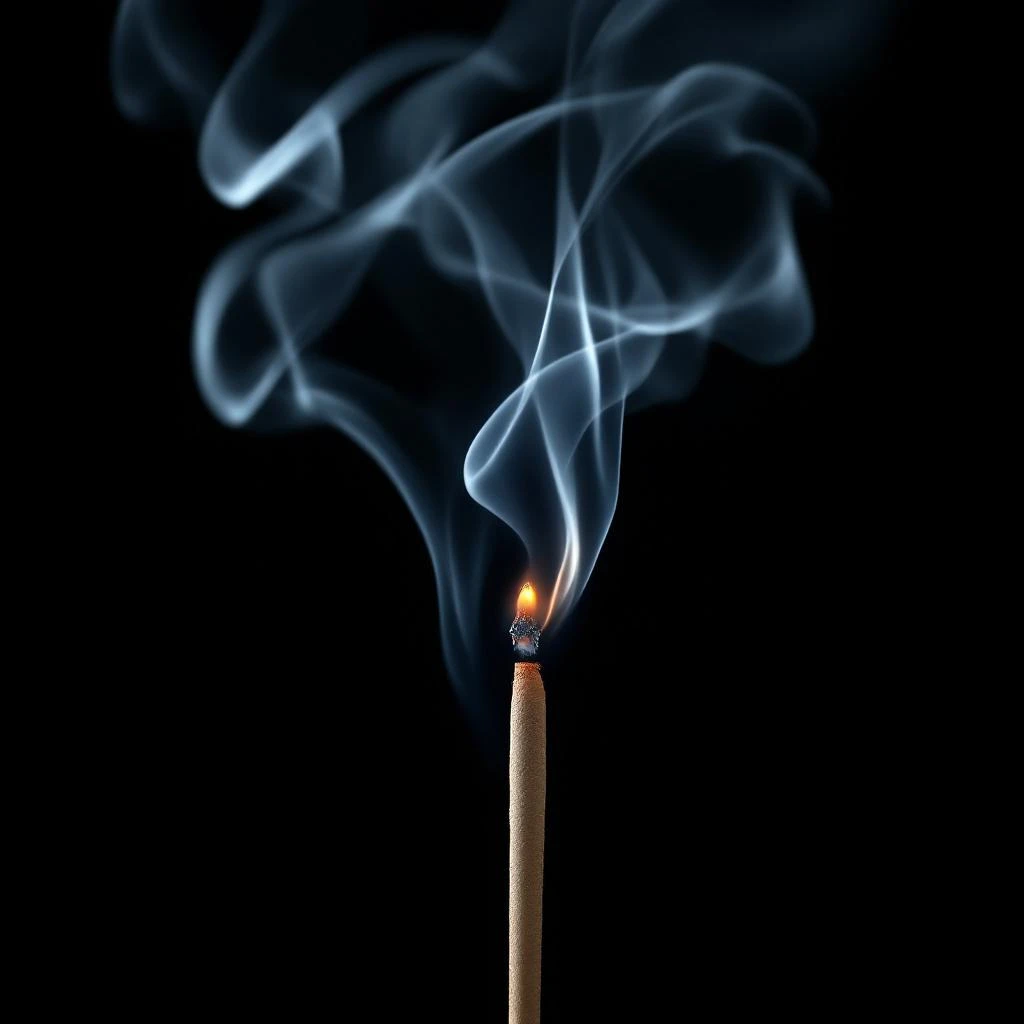
In ancient Mesopotamia, temple priests burned fragrant resins on altars to draw the divine closer to the mortal realm. Frankincense, called "olibanum" by the ancient Greeks, held a central role in these sacred rituals, reserved almost exclusively for priests and royalty. The resin smoke carried prayers skyward, creating a bridge between human and gods.
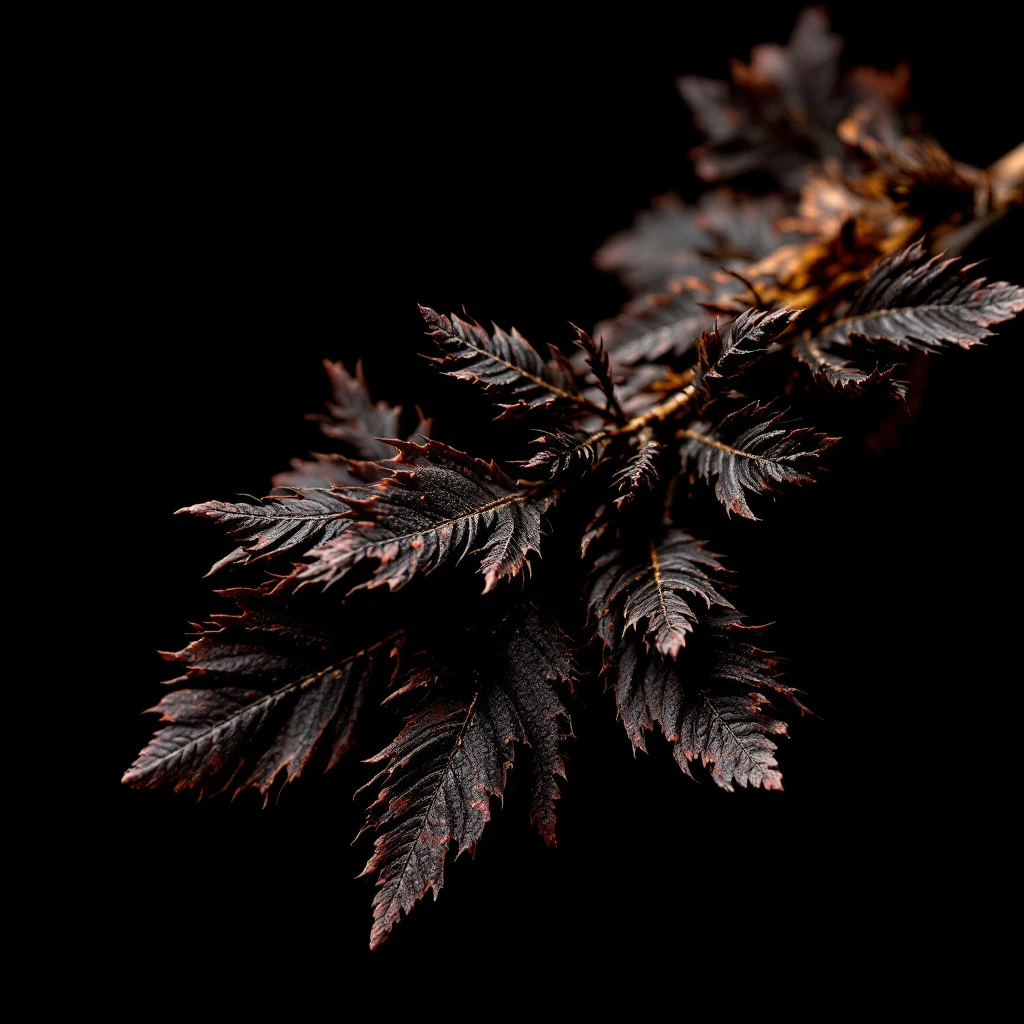
Egyptian pharaohs coveted the material with equal intensity. Queen Hatshepsut dispatched a celebrated expedition around 1500 BCE to the Land of Punt specifically to transplant frankincense and myrrh trees into her temple grounds at Deir el-Bahri. The endeavor was monumental, involving ships and crews that returned laden with living trees, a visible statement of divine connection and royal power.
The Incense Route stretched for thousands of miles, with camel caravans transporting tons of resin across the Arabian Peninsula through cities like Petra and Saba. Greek and Roman merchants competed fiercely for access to frankincense-producing regions. The Roman author Pliny the Elder documented that frankincense was among the most expensive commodities in the ancient world. Romans believed perfume connected them to the divine, and frankincense smoke perfumed temples, homes, and public spaces alike.
Christianity adopted frankincense into liturgical practice, where it remains symbolic to this day, used in churches throughout the Middle East and Horn of Africa. The resin carries four millennia of sacred history into modern fragrance, offering that same deep, meditative warmth that once filled ancient sanctuaries.
Wears it best
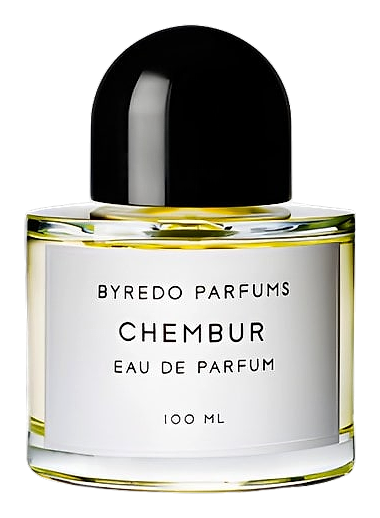
Fragrances featuring Temple Frankincense
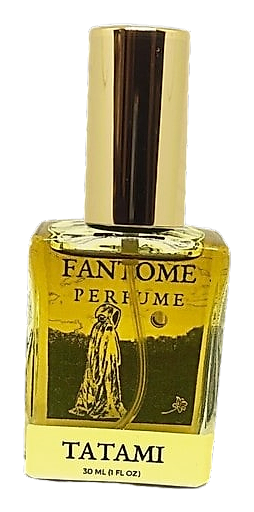
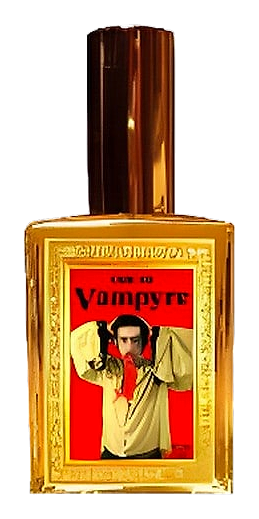
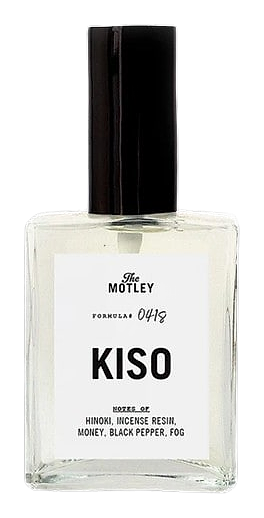
Brands
Brands known for Temple Frankincense
Good to know
Questions, answered
The essentials on Temple Frankincense in perfumery: how it smells, where it comes from, and how it behaves on skin.
What is frankincense and where does it come from?
Frankincense is an aromatic resin from trees of the genus Boswellia, native to Somalia and Oman on the Arabian Peninsula and Horn of Africa. Humans have burned it as incense since at least 3000 BCE.
What does Temple Frankincense smell like?
It carries a deep, resinous warmth with subtle citrus brightness and a dry, woody base. The scent is meditative and slightly balsamic, evoking smoldering embers in an ancient sanctuary.
How is frankincense resin harvested and processed?
Harvesters make shallow cuts in Boswellia bark, collecting the hardened resin tears after weeks of curing. The resin undergoes steam distillation to produce an essential oil with warm, balsamic aromatic compounds.
What role did frankincense play in ancient spiritual practices?
In Mesopotamia, temple priests burned frankincense to honor deities and bridge the mortal and divine. The resin was reserved almost exclusively for sacred rituals and royal use for millennia.
Is frankincense linked to historical trade routes?
Yes, frankincense fueled the Incense Route, a network of trade paths across the Arabian Peninsula. Camel caravans transported the resin through cities like Petra and Saba for Greek, Roman, and Egyptian markets.
How does Temple Frankincense differ from regular frankincense note?
The "Temple" designation reflects a deeper, more spiritually resonant profile. It emphasizes the resinous, meditative qualities of ancient ritual incense rather than lighter aromatic applications.
Can frankincense be used in modern perfumery?
Absolutely. Frankincense essential oil and absolutes appear in high-end perfumes as a base note. Its warm, resinous character pairs well with woods, spices, and other natural materials in sophisticated compositions.
What is the historical significance of frankincense in Christianity?
Frankincense became a liturgical material in early Christianity, symbolizing prayers rising to heaven. It remains in use today in churches throughout the Middle East and Horn of Africa.